
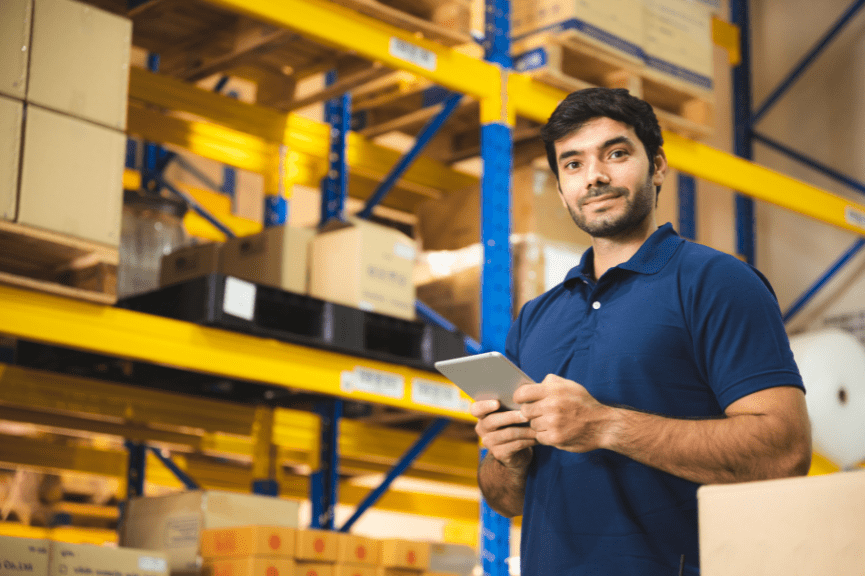
What was the story in the big cities of Mumbai, Delhi, and Bengaluru? They would often speak about enormous logistics parks on city outskirts, giant fulfillment centers hummed with activity, the highway was jammed in freakish traffic as delivery deadlines had to be met. But now, in the recent past, an interesting thing has been happening: some of the most exciting stories of warehousing evolution and growth are coming up more and more from these small cities, such as Indore, Lucknow, Coimbatore, and Guwahati.
So what changed? Why are Tier 2 cities suddenly getting all this attention from the logistics world? The answer lies in a mix of factors: exploding demand from e-commerce, smarter infrastructure, government policy, and frankly, a bit of common sense. As India expands and digital buying goes mainstream in smaller towns, the need to store and move goods quickly and efficiently has become everyone’s business.
The Cost Equation No One Can Ignore
Let’s start with the obvious: cost. Land prices in cities like Delhi or Mumbai have reached a point where setting up large warehouses simply doesn’t make financial sense unless you’re a giant. In contrast, Tier 2 cities offer way more space for way less money. For logistics players, that’s not just attractive, it’s practical. You can build smarter warehouses, plan better truck movement, and avoid paying a premium just to be near an overburdened metro.
Better Roads, Better Rail, Better Access
Reaching smaller cities was quite the task in days of yore; today, the situation is transformed. The advent of the PM Gati Shakti and the Bharatmala highway network gave many Tier 2 cities road connectivity that can well surmount some urban neighborhoods. The freight corridors later wiped away the “out-of-the-way-ness” of places like Nagpur and Patna, which are now hubs of logistics.
And this change is less about the speed of goods getting from point A to point B and more about doing it smartly and cost-effectively. The new connectivity ensures trucks spend less time spending hours on idling; fuel consumption goes down, and delivery time shrinks. Imagine what that means in a country where same-day delivery has become commonplace.
E-Commerce: The Quiet Powerhouse
If you’ve ever wondered why your Amazon or Flipkart order shows up faster than expected, even in smaller towns, it’s because these companies have been quietly investing in regional fulfillment centers. And they’re doing it strategically. Instead of depending on one mega-warehouse in a metro, they now prefer multiple mini-hubs across Tier 2 cities. This model cuts last-mile delays and improves service reach in semi-urban and rural belts.
We’re seeing this happen in real-time places like Jaipur, Surat, and Bhubaneswar are seeing more warehousing investments than ever before. It’s not just about space, it’s about being closer to the customer.
More Than Warehouses: The Ripple Effect
What’s fascinating is how this warehousing boom is transforming these cities. As logistics companies move in, they bring jobs, not just in transport, but also in tech, operations, security, and real estate. As employment rises, so does demand for housing, better roads, local eateries, and schools. In some ways, warehousing is acting like a catalyst for urban development.
You’ll even find that many young professionals are now choosing to move back to their hometowns because decent jobs are finally available. Reverse migration, once considered unlikely, is becoming a reality, especially in cities with strong warehousing and logistics presence.
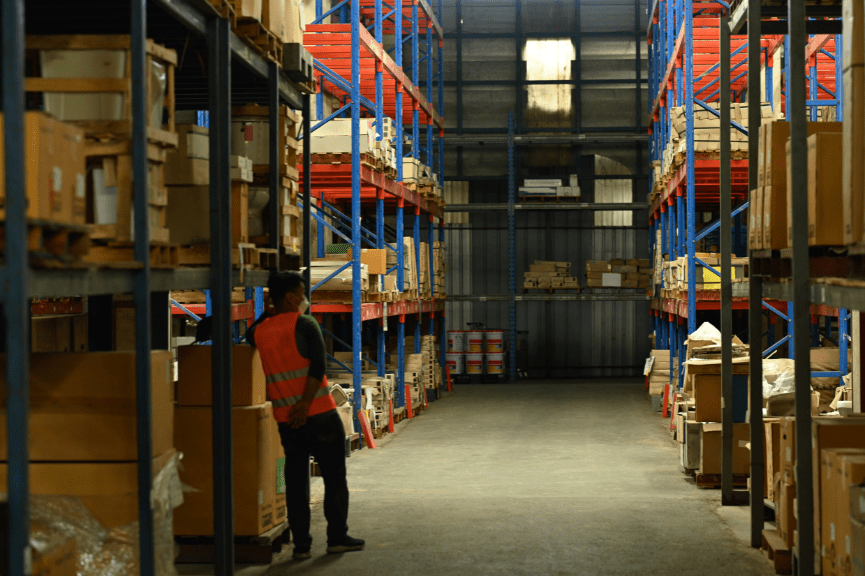
Greener, Smarter, and Better Planned
Another big plus? Warehousing in Tier 2 cities is often more modern. Newer facilities are being built from scratch, with sustainability in mind.
Since newer and mid-market cities are less dense, they offer the opportunity to experiment and get things right from the beginning. Solar on rooftops, EV charging for delivery fleets, AI for inventory, or water-wise designs, all of these are gradually becoming new ways.
Businesses are getting nudges in the right direction with policies such as the National Logistics Policy, laying down a clear path for incentives and the digital integration of multimodal transport.
The Future Is Spreading Out
So, is this just a passing trend or something more lasting? It looks like we’re leaning towards the latter. India’s growth isn’t just happening in a handful of major cities anymore. With Tier 2 cities becoming more connected, livable, and appealing for business, they’re set to draw in even more warehousing investments.
If you’re involved in logistics, e-commerce, or real estate, this shift is opening up a world of new opportunities. And for those of you simply watching where the country is headed, keep this in mind: the future of India’s supply chain won’t be limited to just six big metros. It’s going to be woven together across a multitude of emerging cities.