


March 2020 witnessed an outright halt to life in India. Streets cleared, offices closed, and just like that, the whole idea of being ‘at home’ came into question. For a few, it all meant staying put inside cramped city apartments and working away at makeshift desks. For others, it involved the whole process of packing up and heading back to their hometowns or locating safer, dispersed, and affordable places to live. A rarely-thought-of industry until one needs it, the packers and movers lie at the center of it all.
The pandemic didn’t just challenge this sector; it transformed it. What was once a largely offline, seasonal service became central to people’s lives in unexpected ways. Here’s how the pandemic changed the moving industry in India, perhaps for good.
The Lockdown: An Industry Brought to a Standstill
When the first lockdown was announced, in March 2020, most moving companies were too clueless to lay off a rational plan. Roads were shut down; cities were sealed; and inter-state movement was virtually nil. Unavailability of operations lasted several weeks. Bookings were canceled, trucks went to stand idle, and even companies with the most experience and deeply established reputations were clueless as to what to do next.
But the demand didn’t vanish. It simply went into pause mode. And when the restrictions began to ease, it all came back at once and then some.
Reverse Migration: A Surge Movers Weren’t Expecting
By the middle of 2020, cities such as Delhi, Mumbai, Bengaluru, and Pune had witnessed an exodus of people not so much because the people wanted to leave but because they had to. Job losses and pay cuts in many instances, fear of getting infected, and prolonged isolation compelled thousands to return to their native places.
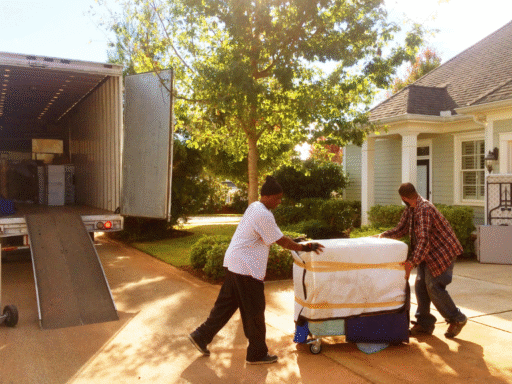
Within no time, these same packers and movers received numerous relocation requests from people unstoppably placed at short notice.This wasn’t just furniture, it was life, uprooted. Movers had to adapt quickly, creating one-way packages, working with minimal staff, and coordinating moves under unpredictable conditions.
This reverse migration also gave rise to a new customer segment, first-time movers from metros to smaller towns, changing the very direction of India’s relocation map.
Sanitization, Trust, and Contactless Service Became Non-Negotiable
Before COVID, few people asked whether mover sanitized their vehicles or wore masks. That changed overnight. Customers now demanded transparency about safety protocols and how the trucks were cleaned. Did staff wear gloves? Were they vaccinated?
The pandemic forced movers to professionalize hygiene. From contactless documentation and e-invoicing to packaging materials that minimized surface contact, these weren’t just customer preferences; they became survival standards.
Companies that adapted quickly to these expectations saw a surge in trust. Those who didn’t were left behind.
Remote Work = A Whole New Relocation Trend
With remote work becoming mainstream, people could no longer be expected to live near their offices. Hence it triggered a fascinating trend: In city places, people began shifting out to suburban or semi-urban areas where rent was lower and bigger houses were to be had.
Movers were not just assisting office-goers but also in transforming families’ concept of the home.The move wasn’t just physical, it was deeply personal. And movers became quiet enablers of this lifestyle shift.
The Rise of Digital Platforms and Verified Movers
The one major long-term effect? Digitization.
Before the pandemic, movers were still hired through word of mouth or classified ads that were not verified. During COVID, however, the people considered accountability essential. So, they started using platforms like Mover’s Voice, where the movers were verified, the customer reviews were real, and there was a promise you were neither going to be scammed nor overcharged.
Suddenly, a proper website, transparent pricing, and digital tracking tools were table stakes. Movers had to take a breath from sitting in the cab of the truck or rolling tape to becoming digital-first businesses.
From Chaos to Reinvention: What the Industry Looks Like Now
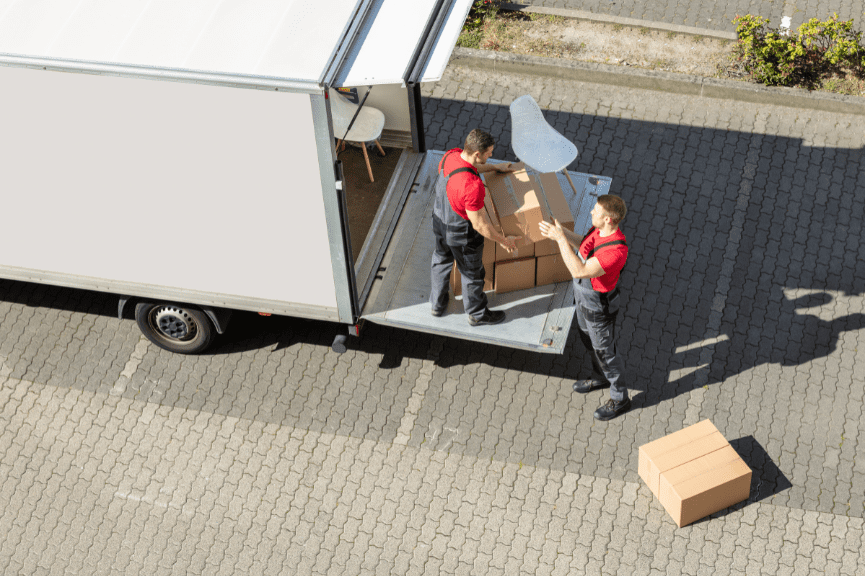
By 2022, the industry had started finding its feet again, but with a very different mindset. Movers began offering flexible storage options, quick quote tools, bundled services with sanitization included, and even hybrid solutions for remote professionals shifting temporarily.
Many even adopted tech dashboards, customer helplines, and app-based bookings, especially in metro cities. What was once an unorganized sector started showing real signs of structure, branding, and customer-first thinking.
The pandemic, ironically, brought focus to an industry that had long operated in the background. Today, movers aren’t just transporters. They’re partners in life transitions.
A New Chapter for Movers and Customers
The pandemic could have thrown the relocation business off balance, had the company not taken its evolutionary course. It has, in a way, exposed the weaknesses and potential of making things right. The outcome is an upgrade of the industry into a smarter, safer, more customer-conscious system based on trust, transparency, and technology rather than just trucks and labor.
For customers, it means better service, more clarity, and fewer relocation nightmares. And for movers, it’s a chance to grow not just in size but in relevance.
In a way, the pandemic moved us all, and it moved an entire industry forward.