

Find out what the ₹100 lakh crore infrastructure project Gati Shakti means for the logistics sector-faster movement, cheaper costs, better connectivity, and smarter supply chains.
While life here is on the move, so is India. With a growing economy, a booming e-commerce sector, and soaring export ambitions, more than ever, the movement of goods is demanded to be faster, efficient, and cheaper. Yet, any logistics person would tell you how fragmented the Indian transport network has been. Different ministries managing different modes, road bottlenecks slowing shipments, ports operating in silos, it’s been a recipe for delays and inflated logistics costs.
That’s where Gati Shakti steps in.
PM Gati Shakti is a trillion-rupee infrastructure master plan intending to completely revolutionize how India builds and coordinates diverse logistics arms. It was launched by the Prime Minister of India, Narendra Modi. It is not just another policy but an integrated digital-first approach of binding together roads, railways, ports, air, warehouses, etc., to service the economy.
And if you’re in logistics, supply chain, manufacturing, or even relocation and warehousing, this plan isn’t something you can afford to ignore.
What Exactly is Gati Shakti?
Gati” means speed, with Shakti meaning power; so the term combines to convey the idea of expediting work through the national platform is like a co-operative for the 16 ministries of the Central Government, with their integration output being in project execution. An upgraded Ministry for Gati Shakti is a development of Google Maps for everything from highways to data centers, from logistics parks to rail stations.
At one time, all ministries would have been independently planning with results of overlapping, assets underutilized, or having serious last-mile gaps. This means Gati Shakti ably breaks these silos using GIS-based digital mapping, real-time dashboards, and centralized coordination.
For the logistics side of things, the projects are no longer stuck in delays numbering years; they are instead planned where demand exists, where land is available, and where the best connectivity can be provided.
Multimodal Logistics: The Biggest Win
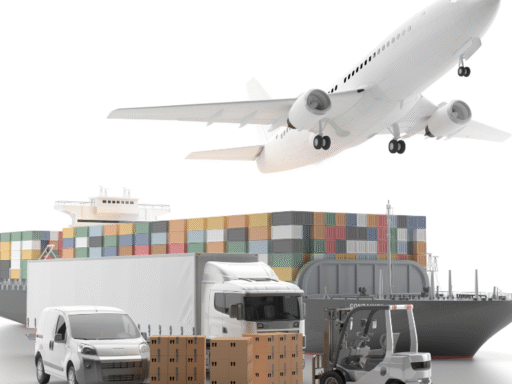
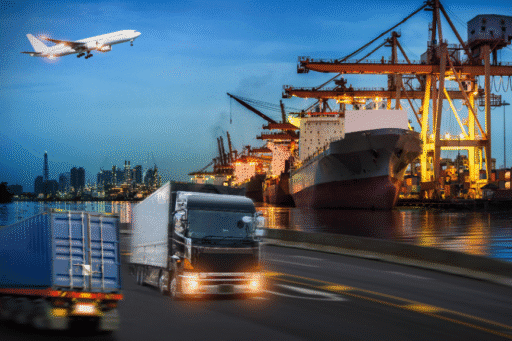
The singular feature that makes Gati Shakti prominent is multimodal connectivity. In layman’s terms, it is ensuring goods move seamlessly from port to rail terminal to trucks to warehouses, without unnecessary friction or cost jumps.
That means, in practice:
- Rapid first- and last-mile connectivity from factories to ports
- Integrated DFCs with industrial clusters
- New inland waterways to ferry some traffic away from the roads
- Expanded warehousing zones near multimodal hubs
Saving time in the process, India may be able to cut down its logistic cost from 13–14% of GDP to single digits, with Indian exports rated lower and domestic supply chains being more nimble.

The Axis Shift for Warehousing and 3PL Providers
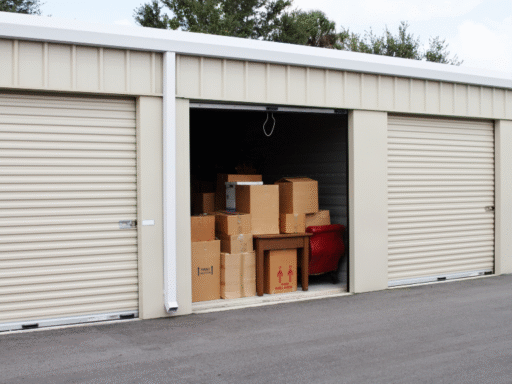
If you are a warehousing company or the other side of the 3PL (third-party logistics) environment, Gati Shakti opens up massive opportunities. With logistics parks being promoted in Tier 2 and Tier 3 cities, land acquisition is being simplified, and easy access to rail and road networks is on the anvil.
With better infrastructure, inventory moves more smoothly, storage becomes a feasible venture in semi-urban regions, and last-mile delivery is faster, even for rural pin codes.
Even the moving and packing industries get benefits as, with smarter highway links and EV-friendly transport corridors, intercity moves will happen faster, cheaper, and with better trackability.
Digital Integration = Transparency + Accountability
In an industry marred by the ambiguity of delivery dates and the unpredictable road tortuosity, Gati Shakti is like a breath of fresh air.
The platform encourages:
Real-time project monitoring
Digitally trackable transport routes
Geo-tagged infrastructure assets
Unified logistics data across departments
This level of transparency will not only speed up infrastructure rollout but also allow logistics players to plan routes, forecast demand, and reduce idle time more accurately.
Green and Future-Ready Logistics
Another key dimension is sustainability. Gati Shakti aligns with India’s green ambitions by supporting:
Electric vehicle (EV) infrastructure along freight corridors
Cleaner inland waterway transport
Energy-efficient logistics hubs and cold storage solutions
By supporting green logistics, the plan also opens doors for startups and eco-conscious businesses looking to scale responsibly.
What This Means for Logistics Businesses in India
For anyone in the logistics ecosystem, be it fleet operators, warehouse developers, freight aggregators, or tech-enabled movers, Gati Shakti offers not just improved roads or rail lines, but a better playing field.
It means:
Fewer bureaucratic roadblocks
More predictable delivery cycles
Smarter warehouse location planning
Access to underserved markets through multimodal routes
Increased investor confidence and global competitiveness
A Logistics Leap, Not Just a Policy
Gati Shakti is not just another infrastructure plan. It’s a systemic overhaul of how India moves goods, people, and ideas. This is an open call to all logistics players to dust off their proverbial thinking hats, explore the heartlands of India, and join the course of a future where speed and coordination will be the measures of success.
Whether you are a small warehouse startup waiting for your break or a seasoned mover with trucks and trailers at the ready, this is your auspicious moment. Gati Shakti is more than just road-building; it is about writing the next chapter in India’s logistics revolution.