

There has come an era when most Indian packers and movers operated from phone calls, handwritten receipts, and cash payments. But that era is now quickly running out. With the Indian relocation and logistics industry becoming more structured and competitive, compliance with regulatory frameworks is no longer just a legal requirement-it has become a business imperative.
From small-town operators to major city-based movers, knowing and staying compliant with GST laws and e-way bill requirements is critical not just to avoid penalties and consequences but also to build customer trust, work with corporate clients, and secure the future of their business.
Let’s learn how GST and EWay Bills bring packers and movers in India into their applicability and how you can put yourself in compliance without getting overwhelmed.
GST and Its Relevance to Packers and Movers
The Goods and Services Tax (GST) was introduced in India to unify the Indian tax structure. If you run the business of packers and movers, you may be rendering a bundle of services-transportation, loading/unloading, packing, storage, and maybe even insurance. With this nature of bundled services, you are brought under the ambit of the GST.
So, does the packers and movers business require registration under GST? Yes, if the annual turnover of a packers and movers firm exceeds ₹20 lakh, or ₹10 lakh in some special category states, the packers and movers business requires mandatory GST registration. However, even if the turnover is below this limit, an entity would prefer to have its GST Number for the sake of credibility, especially when dealing with corporate and/or government entities.
Typical GST rate payment for moving services is from 5%-18% depending on the nature of the services:
5% only for the transportation of goods without value-added services
Transportation plus additional services (like packing/loading): 18%
Storage services: 18%
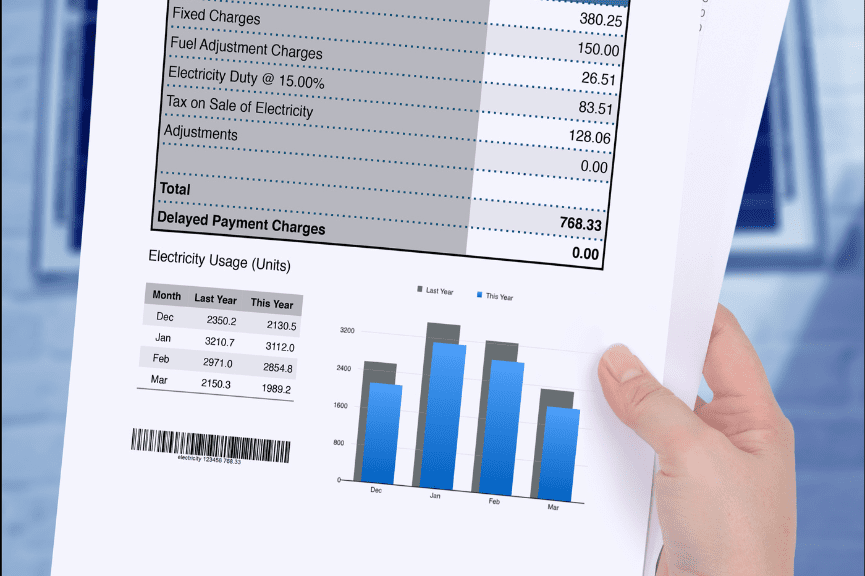 What many small operators miss is that once you issue a single combined bill for all these services, GST becomes applicable at 18%. Splitting services artificially just to save tax can lead to non-compliance issues during audits.
Why E-Way Bills Matter for Relocation
Now, let’s talk about e-way bills, something that many movers either overlook or misunderstand.
An e-way bill is a document required under the GST regime for the movement of goods valued over ₹50,000 in a single invoice. It includes details of the goods, the consignor, the consignee, and the transporter. While it’s most commonly associated with business-to-business transactions, it’s also applicable to packers and movers when household goods are being moved and invoiced.
Here’s a real-life example:
A moving company transports a family’s belongings from Noida to Pune. The value of the declared goods exceeds ₹50,000, and the GST invoice has been generated. In this case, an e-way bill must be issued even if it’s a personal move. If the truck is stopped by GST authorities and no e-way bill is available, fines, vehicle seizure, or delivery delays can occur.
E-way bills can be easily generated online through the GST e-way bill portal, and once you’ve done it a couple of times, it becomes a routine part of operations.
Compliance Builds Credibility (and Contracts)
Let’s face it most customers today are smarter and more cautious. They check reviews, compare quotes, and often prefer companies that offer GST bills and proper documentation. For corporate relocation clients, compliance isn’t a bonus it’s a baseline.
Here’s what professional compliance allows you to do:
Bid for corporate or government contracts that require GST invoices
Get listed on verified platforms like Mover’s Voice that vet credentials
Reduce friction at interstate checkpoints with proper e-way bills
Build long-term trust with clients who appreciate transparent billing
Simply put, compliance isn’t a burden; it’s your edge.
Common Mistakes Movers Make (and How to Avoid Them)
Many movers make innocent but risky mistakes: issuing handwritten bills without GST details, under-declaring the value of goods to avoid e-way bills, or accepting full cash payments without digital records. These practices may seem harmless, but can invite scrutiny and penalties, especially as tax authorities become more digital-savvy.
The good news? These issues are easily fixable.
Use invoicing software that includes GST and e-way bill integration
Get help from a tax advisor to understand your filing obligations
Train your team on what paperwork to carry on interstate jobs
Keep records digitally so you’re always ready for verification or audits
Staying Ahead Means Staying Legal
As the relocation industry grows, so do expectations from customers, authorities, and partners. A compliant business is not only more trusted but also more scalable and future-ready.
By embracing GST registration, generating proper invoices, and using e-way bills responsibly, packers and movers can move beyond being seen as local service providers and emerge as professional logistics partners in India’s evolving economy.
So if you’re in the business of helping others move, make sure your business is moving in the right direction too, with compliance, clarity, and confidence.