
The way grown-ups see it, moving is logistics: packing, planning, paperwork. Moving With Kids, especially younger ones, can feel like the death of a world they always knew. Just when their realm was made to feel safe by friends, school, room, and neighborhood park, all of these are being replaced by an uncharted territory.
Meanwhile, timelines get real, movers get booked, and kids get to handle something much more complicated- change.
So, how do you make this transition easier for them? How do you move your home without breaking your child’s sense of home? This blog explores just that.
Start With a Conversation, Not a Surprise
Kids, just like adults, feel more reassured when they know what to expect. Whether your child is five or fifteen, inform them before the boxes hit the floor. Sit down with them and talk about the move in simple and clear terms. Permit them to ask questions, even the hard ones, and listen patiently.
Discuss the truth about the change, but accent the good side: a greater room, near a park, new friends, and closer to grandparents. Your attitude toward the move sets the emotional tone for them to adopt.
Let Them Be a Part of the Process
Children, by nature, need control for a sense of reassurance. Include them in the process wherever possible- let them assist with sorting their toys, choosing the color of boxes, or deciding on wall decorations. These kinds of minor selection attributes make the difference.
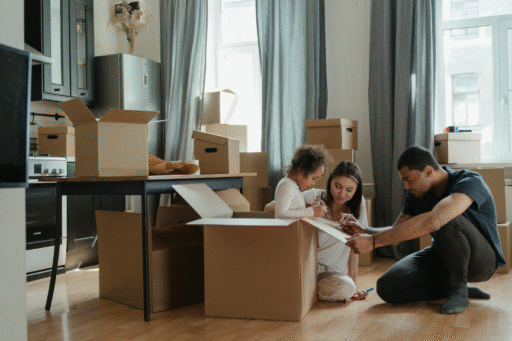
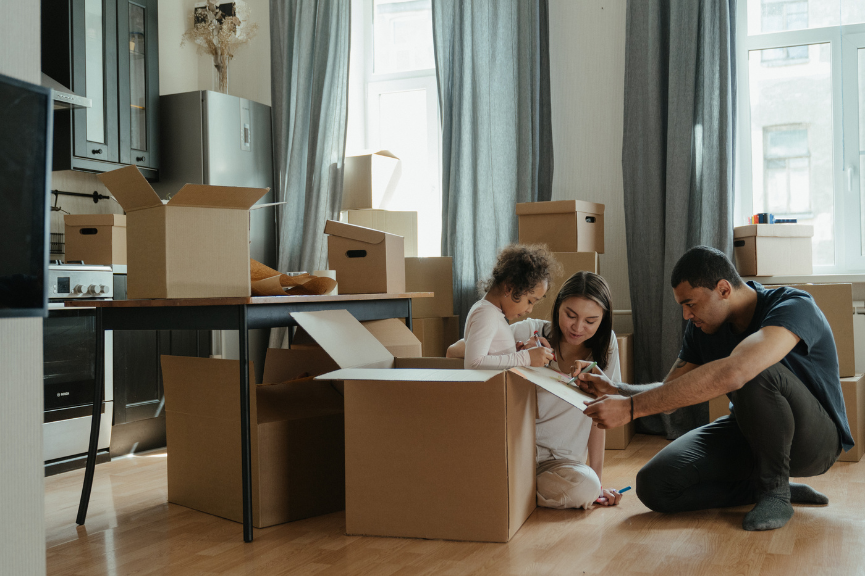
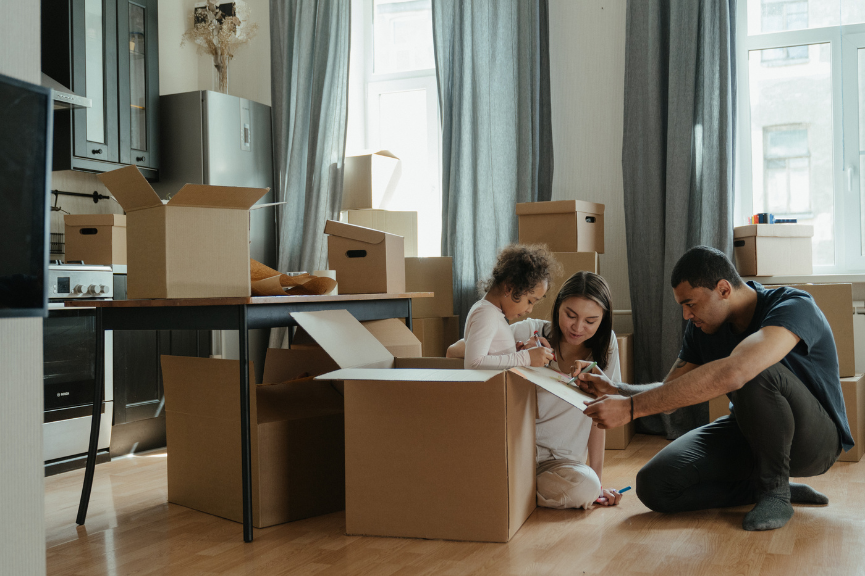
They can also view packing as a game. They can paint “special boxes,” in which they keep treasured books, toys, and art supplies. When everything is in a state of flux, knowing exactly where their treasures are makes children feel grounded.
Goodbyes Deserve Their Moment
An undeniably heart-churning part of moving with children is the act of bidding goodbye. Don’t else rush it. They need that space, whether to bid adieu to a neighbor’s best friend, their favorite shopkeeper, or the swing set in the nearby park.
Some parents sometimes arrange a little “see-you-soon” playdate for the kids or perhaps put together a memory book containing pictures and notes from friends. This is very important in helping children to come to terms with the situation in a gentle and healthy way.
Keep Familiar Things Close
Moving With Kids, Even as they set up and adjust to the new space, have the child’s essentials and comfort items always the last to go in the packing and the first to be unpacked. A favorite teddy bear, soft blanket, night light, or cherished book would offer some glue of feeling for a brand-new environment.
While en route, especially in a long-distance move, keep a backpack or a small suitcase filled with familiar items handy for them. It takes a piece of home wherever they go.
Routines Matter Even Amidst the Chaos
Upheavals unpack more than just furniture; they dismantle daily life. Kids depend on predictability, so try to keep their bedtimes, mealtimes, and screen time rules unchanged. If the school begins a couple of days after the move, start putting together a very basic routine a few days before the move to make things a bit easier.
Don’t feel guilty if everything is not put perfectly into place right this second. What has to count more is the attempt at keeping at least a bit of normal life floating in a very abnormal moment.
Help Them Adjust to the New Place Gently
Moving With Kids: Allow some downtime for the child after moving in. Go on a tour of the neighborhood. Show them where the new school is, the nearest playground, or even where to get the best ice cream on weekends. Encourage their curiosity, but don’t push too hard.
Help them set up their room first, as this will give them a place they can truly call their own. Hang familiar posters or pictures from the old place. Even the same bedsheet would do. These familiar sights speak comfort.
Your Calm Is Their Calm
Relocating is exhausting. But your tone, body language, and energy act as emotional cues for your child.
If fears gripped me, or irritability made itself known in me, I could expect the child to mirror it. So, take breaks; breathe; permit yourself to be messy in the process.
Children are more resilient than we think, but they take their cues from us.-600
Moving With Kids, It’s Not Just a Move, It’s a Memory in the Making
It all boils down to the fact that moving with kids means emotional relocation as much as physical logistics. Meeting their questions with honesty, their fears with reassurance, and their curiosity with patience will help them manage the change experience they can go through and grow because of.
And as the cardboard boxes seemingly stay around for around a week, what will stay with the child will be the feelings-the way they were felt to be supported, heard, and loved.
That’s what truly turns a house into a home, wherever you go.