

Relocations and freight are considered the hard and male-dominated sectors in India, involving heavy lifting, road hours, time-critical planning, and intricate regulatory workflows. Thus, women over the past decade have entered the driver’s seat to found companies, modernise operations with technology, build inclusive teams, and perform roles that formerly were denied to them. The experiences are reshaping the customer experience and workplace culture.

More recent analyses show that the gender gap still exists. In any case, the movement prevails: women’s representation in logistics in India is still somewhere in the mid-teens and waddling its way up, with industry bodies and policymakers being pressured to accelerate its inclusion.
Below, we spotlight leaders across entrepreneurship, management, and field operations who are transforming the way India moves.
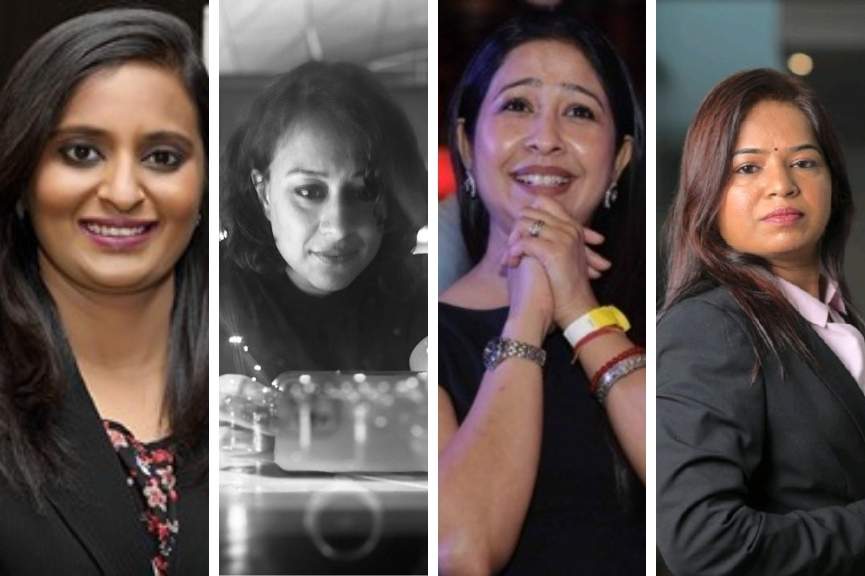
Aakanksha Bhargava – Scaling a Women-Owned Relocation Brand (PM Relocations)
When Aakanksha Bhargava took charge of PM Relocations (PMR) in 2012, she inherited a legacy founded by her father in 1986 and set about professionalising and globalising it. Under her leadership, PMR built out capabilities in international moves, corporate mobility, pet relocation, and art logistics, while earning certification as a women-owned business. Her story is as much about service design as it is about investing in culture, including trained packing crews, digital customer journeys, and end-to-end accountability that corporate clients can trust.
Bhargava’s ascent also symbolises a generational shift: a second-generation entrepreneur reframing “packers & movers” from a commodity service to a high-touch, tech-enabled experience, without losing sight of the human concerns that define any move.
Gazal Kalra – Reimagining Long-Haul Trucking with Relay Operations (Rivigo, Co-founder)
While not a pure-play relocation company, Rivigo’s impact on logistics and, by extension, household moves and B2B mobility was profound. As co-founder, Gazal Kalra championed a “relay trucking” model that rotated drivers at pit stops, ensuring that no one slept in the cab or stayed away from their families for weeks. That idea improved asset utilisation and promised safer, more humane line-haul. Kalra’s work stands out for marrying hard-edged operations with a people-first philosophy, which has inspired workforce and safety conversations across logistics sub-sectors.
Her journey also made the case that women leaders can (and do) solve the most “operational” problems in logistics, driver dignity, network design, and productising complex services areas historically reserved for men.
Lovely Mehra – Building Modern Warehousing & 3PL Capabilities (AWL India)
Lovely Mehra, Director at AWL India, has been recognized among the Top Women Leaders in Logistics & Supply Chain in the year 2024-this is recognition for her role in scaling technology-driven warehousing and fulfilment. In an increasingly complex matrix of relocation with short- and long-term storage, last-mile, and inventory visibility, Mehra-type women are nurturing the spine that high-quality moving experiences rely on: compliant, safe, and data-rich 3PL operations.
Her recognition is also a signal that women are advancing not only in customer-facing move management but deep in the infrastructure of logistics automation, throughput optimisation, and multi-client operations.
Veena Ugare, Regional Entrepreneurship in Household Moves (Leonora Express Packers)
Women are also founding and leading regional moving brands. Veena Ugare, associated as CEO/founder with Leonora Express Packers & Movers, represents a cohort of entrepreneurs building trusted names in city-to-city moves, where customer education, transparent pricing, and careful packing matter most. These firms often start as family businesses and scale on the strength of reputation and repeat referrals in areas where empathetic leadership and attentive service design pay off.
While smaller than national players, such women-led brands punch above their weight by specialising in senior-friendly moves, move-plus-storage bundles, or white-glove packing for delicate items.
Frontline Inclusion: Women on the Move
Changing the face of relocation isn’t only about the C-suite. Among them, more women are further opting to get into operational roles-these include supervisors, coordinators, packers, and drivers. From a broader logistics ecosystem, one learns what is possible: Delhi-based Even Cargo has operated delivery fleets staffed only by women, showing almost plainly that given proper training and safety regulations, women perform excellently in this line of operation, which otherwise used to be considered unsuitable for them. This very lesson transfers to the last-mile legs of relocations, where empathy and reliability matter.
Heavy vehicle licensing and inclusiveness represent other areas where breakthroughs could be replicated into relocations and transport fleets. If you think of it, in July 2025, Anita Prasad became the first transgender woman to be given an HGV licence in Karnataka important representational milestone in the field of commercial driving. Pathways of inclusion take in talent that would otherwise not be so readily available and, thus, increase the safety culture within logistics.
The Industry Context: Progress, But Gaps Remain
Despite inspiring leaders, women still account for a minority of India’s logistics workforce- single-digit shares at listed firms and mid-teens across the sector, with targets to nudge participation to ~20% and beyond. The case for change is business-critical: diverse teams correlate with innovation, resilient problem-solving, and improved customer satisfaction, exactly what relocation brands need as they digitise operations and compete on experience. Policy attention is rising too; recent government-commissioned studies and campaigns on accessibility and inclusion are nudging companies to set targets, mentor pipelines, and redesign shop-floor norms.
How Women Leaders Are Transforming Relocation
1) Customer-Centric Service Design
Leaders like Aakanksha Bhargava bring hospitality thinking into logistics: proactive communication, single-window coordination, and curated add-ons (pet relocation, handyman, temporary storage). It shifts the narrative from “truck and boxes” to “life transition partner.”
2) People-First Operations
Gazal Kalra’s relay model reframed driver well-being as an operational advantage, a mindset more movers are adopting in line-haul and interstate moves. Happier crews deliver better NPS and lower damage rates.
3) Technology & Transparency
From barcode-based inventory to live tracking and digital condition reports for valuables, women leaders in 3PL and relocation are pushing for auditability-reducing disputes, improving claims processing, and building trust. (DHL Group’s gender targets and leadership stories mirror this global shift toward inclusive, tech-enabled logistics.)
4) Safer, More Inclusive Workplaces
Women in leadership are introducing policies around respectful conduct, PPE designed for women, safer shift scheduling, and mentorship ladders for warehouse and field roles, practices associated with higher retention and better service consistency.
What It Takes to Grow the Pipeline
Targeted Hiring & Training: Partnerships with skills councils and NGOs to onboard women as supervisors, handlers, and drivers with structured safety protocols and continuous skilling. Evidence from all-women delivery fleets shows this is viable at scale with the right support.
Flexible Rosters & Facilities: Clean, well-lit depots; secure transport; separate restrooms; and predictable shifts are basic enablers that reduce attrition and widen the applicant pool.
Mentorship & Leadership Programs: Sponsorship by CXOs, transparent promotion criteria, and access to cross-functional rotations help women move from coordination roles to P&L responsibility-closing the management gap identified in recent sector studies.
Supplier Diversity: Corporate mobility buyers can require women-owned or women-led vendors in RFPs. Certifications (e.g., WEConnect International) help identify credible women-owned movers creating market pull for inclusion.
The next phase of growth in relocation will be defined by trust, technology, and talent. Women leaders are already proving that empathy and operational excellence can coexist-and win. As more entrepreneurs build specialist brands, more managers take charge of high-stakes moves, and more frontline women enter the field, the sector will not only become more equitable; it will become markedly better for customers.
The industry still has miles to go, especially in mid-management and on the road, but the route is clear. Supportive policies, intentional hiring, and visible role models can turn today’s inspiring profiles into tomorrow’s norm. And when customers choose women-owned or women-led movers, they vote for that future with their business.
Disclaimer
The images used in this blog are sourced from Google and other publicly available platforms. We do not claim any ownership of these images, and all rights belong to their respective owners. The content of this blog is research-based, compiled from credible sources, and presented solely for informational and educational purposes. MoversVoice does not assume responsibility for any inaccuracies or changes in external information referenced here. If you find any inaccuracies, please write to us at editorial@moversvoice.com, and we will make the necessary corrections.