
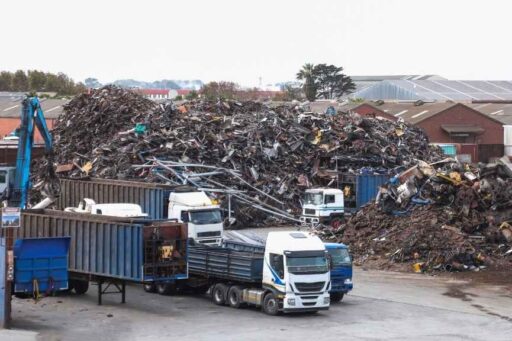
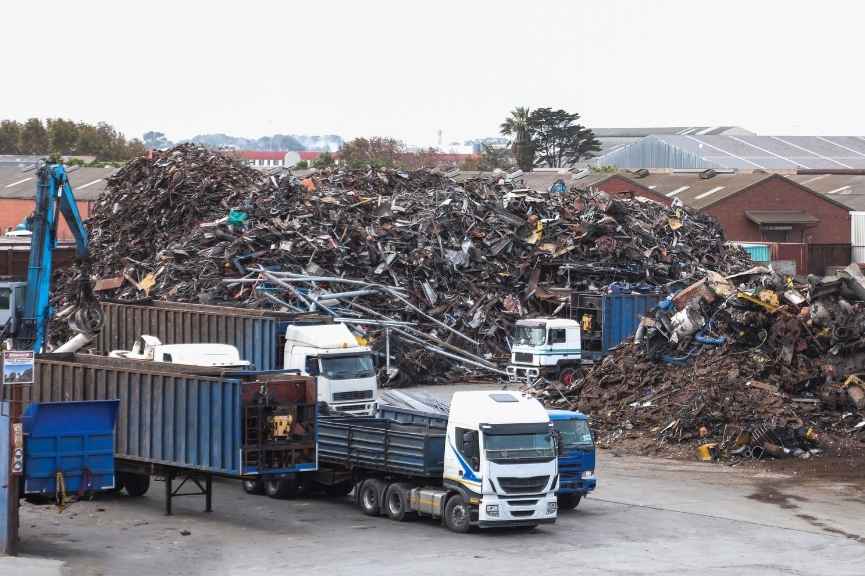
The scrappage policy of India is one of those bold governmental acts toward safer roads, pollution curtailment, and modernizing the vehicle fleet. For the commercial vehicle (CV) markets in general-whether trucks, buses, or any other kind of goods, this policy is shaping buying decisions along with manufacturers’ plans and the entire recycling industry. So, if you run a fleet, are in logistics, or keep track of the auto industry, this is simply what the scrappage policy means.
What the scrappage policy requires (the basics)
The scrappage policy sets rules for taking old and unfit vehicles off the road. Commercial vehicles have stricter fitness checks and age thresholds compared with private cars. Under the policy framework, commercial vehicles are subject to regular fitness testing, and vehicles beyond a certain age (and failing tests) are to be deregistered and sent to authorized scrapping facilities. This is meant to remove high-polluting, inefficient vehicles from the roads and improve overall fleet quality.
Why this matters for the commercial vehicle market
There are three immediate effects of the scrappage policy on CVs:
Demand for new trucks and buses increases. Hence,the servicing industries show a capability of fostering the downward spiral in vehicle-life longevity. The washes can increase sales for manufacturers through the actual production and sale of heavy commercial vehicles (HCVs) and buses, with analysts forecasting production and sales going up in the medium term.
An upgrade to cleaner and more efficient models. Replacing old polluting engines with BS-VI (or cleaner in the future) engines improves fuel efficiency and reduces emissions per vehicle. Updating the fleet would also mean less maintenance for fleet operators and higher uptime.
Growth of the formal dismantling and recycling industry. The RVSFs are required in order to dismantle vehicles safely and recycle steel, plastics, and other parts, thus creating business opportunities and employment. Government and industry efforts are underway to upgrade such facilities across states.
Incentives and offers that make replacement easier
To encourage vehicle owners to scrap old vehicles, the government and OEMs (manufacturers) have offered incentives. Some provide a tax reduction for roads or registration fees for new purchases, while manufacturers give discounts on new vehicle purchases linked with proof of scrapping. Some OEMs (including leading CV manufacturers) have announced discounts or special offers for customers who scrap their old vehicles and purchase a new one, which is an effective demand stimulus.
Such incentives can sway decisions for big fleets with small margins: A rebate from either the tax collector or the manufacturer may make it profitable to replace an old truck now instead of keeping it through very expensive repairs.
Benefits for fleet owners and the economy
Replacement of old vehicles brings with it several unmistakable benefits:
Lower running costs: Newer CVs use less fuel and demand fewer repairs, thereby lowering total costs of ownership.
Improved uptime: Higher reliability of modern vehicles is crucial for meeting logistics schedules and customer commitments.
Better resale and financing: From a lender’s perspective, newer fleets pose less risk, opening up financing avenues for fleet upgrades.
Environmental benefits: Dismantling old, polluting vehicles reduces emissions, thereby helping some states meet their air-quality targets.
Collectively, these benefits create a better earning environment for well-capitalized operators and improved service quality across the logistics sector.
The winners: OEMs and organized fleets, and why
Commercial vehicle manufacturers stand to gain from replacement demand. With incentives and scrappage-linked offers, OEMs see an opportunity to sell more new trucks and buses. Large, organized fleet owners who can access finance or manufacturer discounts are likely to renew their fleets faster, gaining operational advantages.
India’s major CV makers have already announced production and pricing plans aligned with these demand signals; some have also set up partnerships with scrapping facilities to smooth the replacement process for customers.
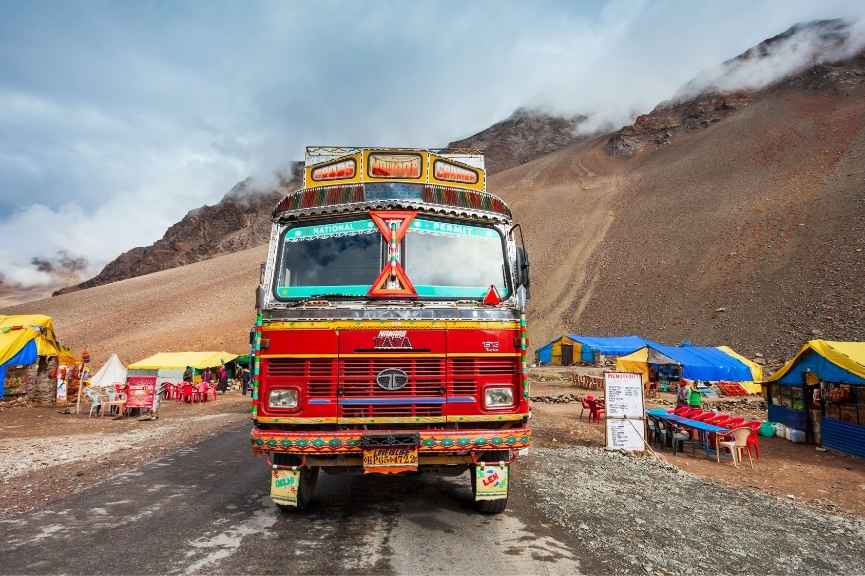
The tough reality for small fleet owners and owner-operators
Not everyone benefits equally. Small fleet owners and independent truckers face real challenges:
Capitalized expenditure: A new commercial vehicle will gulp up huge capital that many small operators lack.
Financing hurdles: Informal operators lacking a strong credit history may have limited access to cheap loans.
Loss of income while being replaced: When a vehicle is replaced, the owner may face impediments to cash flow.
Should incentives and financing support prove insufficient, aftermarket and vehicles may be sold by small operators in the informal market vehicles might go back to being dirt cheap repair consequences that betray the environmental objectives of the policy. Analysts and industry groups have made a call for more focused financial assistance and easier trade-in/scrap collections for this segment to move forward.
Scrapping infrastructure progress and gaps
A functioning scrapping policy needs accredited Recycling and Vehicle Scrapping Facilities (RVSFs). Major OEMs and private players have begun building RVSFs across India; for example, Tata Motors has commissioned multiple authorized scrapping units with significant capacity to dismantle and recycle vehicles safely. These facilities help channel end-of-life vehicles into the formal recycling chain rather than the informal dismantling market.
However, the network continues to expand. Wider geographic coverage, easier vehicle pickup services, and formalisation of small dismantlers are required to ensure compliance and to discourage illegal scrapping.
Environmental and circular-economy gains
When done properly, scrapping supports a circular economy: recovered metals, plastics, and components are recycled into new products, reducing raw material demand. Removing old, polluting vehicles from roads also yields measurable improvements in air quality, especially in urban corridors. Government estimates and independent studies suggest meaningful emission reductions if the policy sees broad compliance.
What manufacturers and policymakers should do next
To maximise benefits and reduce pain points, a few measures can help:
Targeted financing: Subsidized loans or tax credits for small fleet owners to buy new CVs.
Trade-in & doorstep scrapping: Mobile scrapping units or easy pickup to encourage formal scrappage.
Phase-wise enforcement: Allow time-bound transitions to give operators room to upgrade.
Skills and jobs: Retraining informal dismantlers to work in certified RVSFs.
Clear incentives: Uniform, bankable incentives (road tax waivers, GST credits, or OEM discounts) make replacement decisions easier.
Industry bodies and manufacturers have repeatedly advocated such supportive measures to ensure the policy meets both its environmental and economic goals.
India’s scrappage policy is an important lever to modernize the country’s commercial vehicle fleet. It creates demand for new trucks and buses, helps OEMs, and builds a formal recycling industry. But the policy’s success depends on executing fair financing options for small operators, a wider network of scrapping facilities, and practical incentives that make replacement feasible for all.
If policymakers, OEMs, and financiers work together to address the gaps, the scrappage policy can accelerate cleaner, safer, and more efficient transport across India, a win for industry, communities, and the environment.