

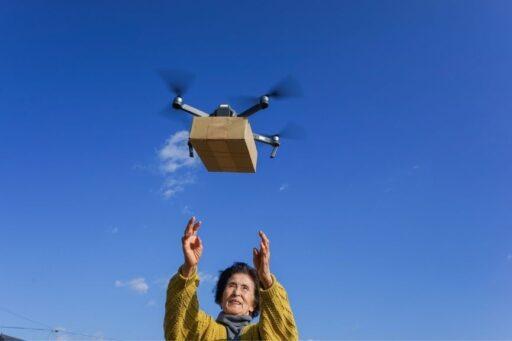
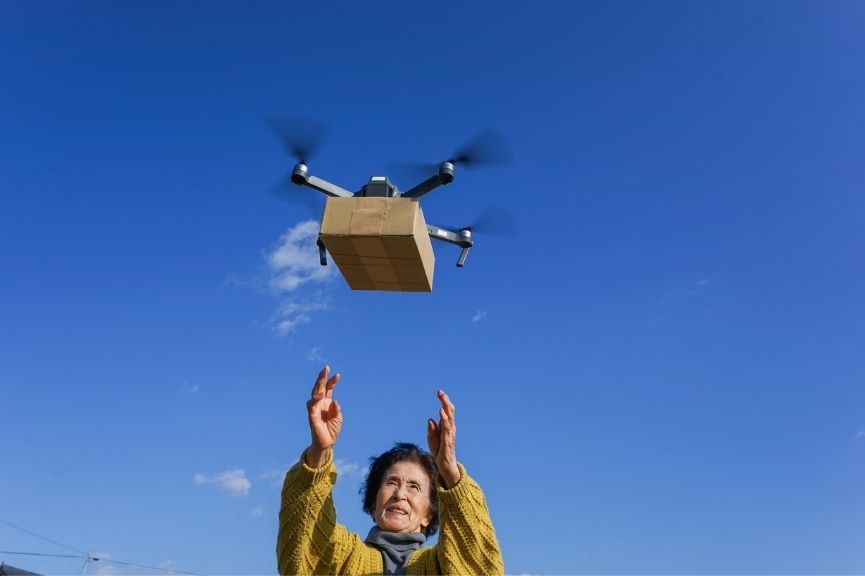
India has also been experiencing challenges in handling and the delivery of thousands of packages daily, where each delivery takes hours. Monsoon rains, floods, and poor weather can easily make the already slow and hard process of transportation even more complicated. For this reason, drones for delivery have not yet been a forefront topic in the country.
Meanwhile, the Ministry of Civil Aviation disagrees. They have started by permitting the testing and pilot schemes via the requisite steps. Also, the government has a vision for the drones to be included in an extended ecosystem as opposed to their own niche.
The Indian Context
India has been grappling with the issue of not being able to make deliveries of thousands of packages a day, and delivery takes hours. Monsoon rains and floods, and adverse weather can easily make the transportation scenario, which is tough already, even more adverse. Therefore, drone deliveries are not in focus in India to date.
Conversely, the Ministry of Civil Aviation does not have that thinking. They have moved ahead in a positive manner in terms of allowing the new technology to be introduced, beginning with the approval of tests and pilot projects. Furthermore, the government envisions the drones being a part of a larger ecosystem and not an independent one.
Applications of Drone Deliveries
Drone deliveries are not limited to e-commerce. They have multiple real-world applications:
E-commerce: Quick delivery of small packages, especially in urban areas with heavy traffic.
Healthcare: Fast transport of medicines, blood samples, and vaccines to remote villages and hospitals.
Emergency Relief: In disaster-hit areas, drones can carry food and medical supplies where roads are damaged.
Agriculture: Drones can deliver seeds, fertilizers, or small tools directly to farms.
For example, Zipline, a global drone delivery company, is already helping with medical deliveries in Africa and plans to expand its Indian operations. These use cases show that drone logistics can save time and even lives.
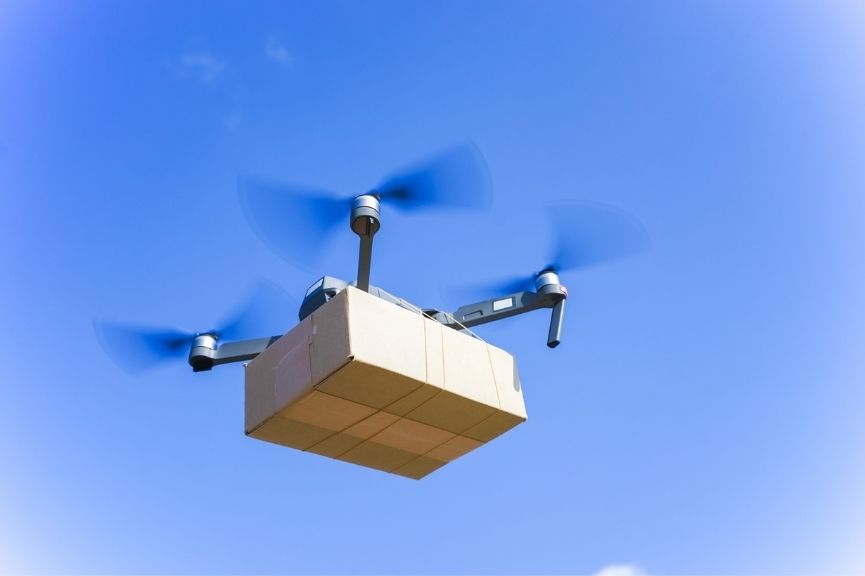
Regulatory and Legal Challenges
India’s drone deliveries are still encountering a lot of hurdles, even though the future looks extremely promising. The DGCA (Directorate General of Civil Aviation) has prescribed very strict guidelines on how drones can operate. The lone place where drones can operate is the green zone, and if they want to go into the yellow or red zones (in the vicinity of airports or defence establishments), they need special permission.
Security and privacy concerns are also extremely important. What will happen if an unmanned aerial vehicle goes out of control or crashes in a populated area? How will the data gathered during the flight be dealt with? These are some of the fundamental questions that still have to be answered unequivocally.
Also, there are liability and insurance concerns: who would be liable if a drone damages property or hurts someone? Legal matters need to be addressed before drone delivery can be extended across the nation.
Infrastructure and Technology Needs
Drone delivery requires a strong digital and physical infrastructure. Reliable GPS systems, air traffic control for drones, and charging or docking stations are essential.
Technologies like AI (Artificial Intelligence), IoT (Internet of Things), and 5G connectivity will play a huge role. AI can help route drones safely, while IoT can track real-time deliveries. 5G ensures low-latency communication, which is vital for flying drones over long distances.
Training skilled operators and developing “drone corridors” (dedicated air routes for drones) are also important steps toward making drone logistics practical and safe.
Economic and Environmental Impact
Drones could make deliveries faster and more sustainable. They can reduce fuel use and carbon emissions compared to trucks or bikes, especially for small parcels.
Economically, drones can help companies cut last-mile delivery costs, a major expense in logistics. However, the initial investment in technology, regulatory compliance, and infrastructure remains high. That’s why most companies are currently in the testing or pilot stage rather than full-scale operations.
The Road Ahead
So, are we ready for drone deliveries in India? The answer is almost, but not fully yet.
The foundation has been laid through supportive policies and government vision. Startups and logistics companies are innovating fast. But large-scale implementation will take more time due to regulatory, safety, and cost challenges.
In the next 5–10 years, we can expect drones to become a common sight in India’s skies, especially for healthcare, e-commerce, and emergency logistics. With collaboration between government, industry, and technology providers, India could soon lead the world in drone-based logistics innovation.
Drone deliveries represent a bold step forward for India’s logistics sector. They promise speed, efficiency, and sustainability, the three things modern logistics needs the most.
While challenges exist, India is moving in the right direction. The dream of receiving your next parcel from the sky may not be too far away.