
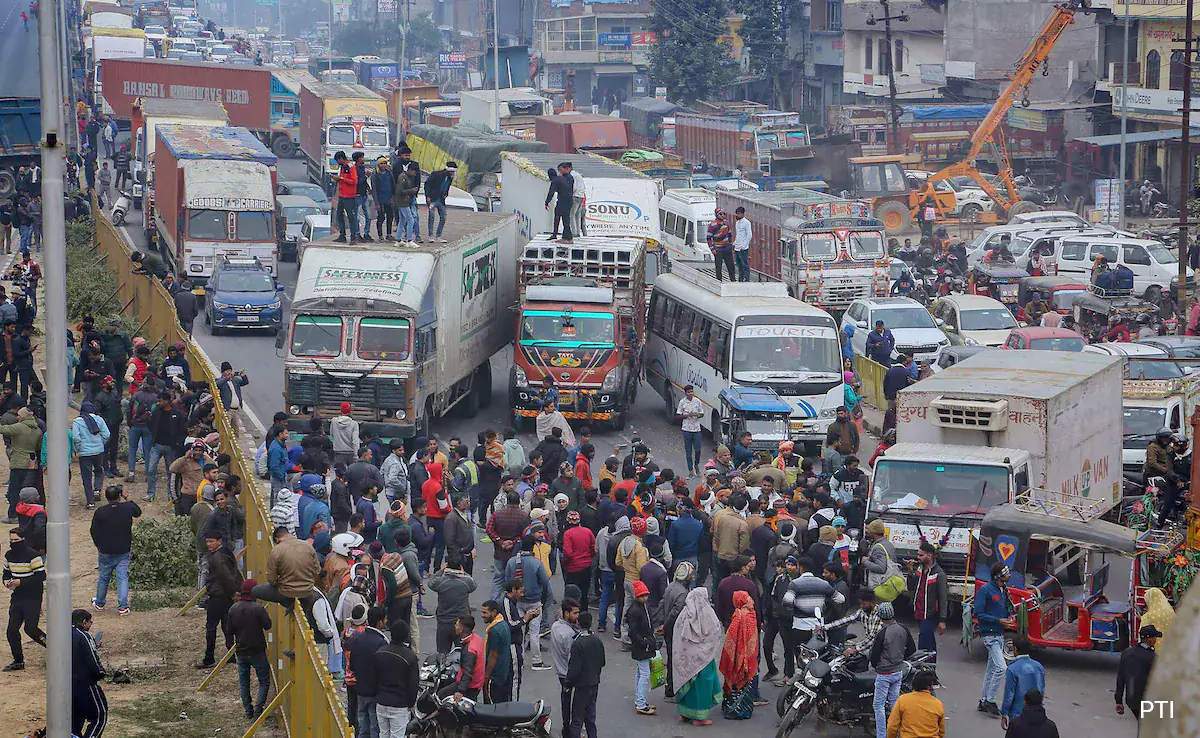
Delhi has emphatically declared its position against the increasing pollution once again. In the course of action to prevent the deteriorating air quality from smog during winters, authorities have prohibited the movement of all non-BS6 diesel and petrol vehicles into the city. This decision, though, is in line with the bigger objective of having a sustainable and clean environment; it also poses a new problem for the relocation and logistics industry, which relies on road transport very much for its daily activities.
The ban applies to all commercial vehicles, both light and heavy, not complying with the Bharat Stage 6 (BS6) standards, which means that thousands of trucks, movers, and transporters that were previously allowed to come into Delhi may now have their operations stopped, rerouted, or fleets upgraded.
What Exactly Are BS6 Emission Norms?
BS6, short for Bharat Stage 6, represents India’s most advanced vehicular emission standard. It is similar to the Euro 6 standard used in Europe and focuses on drastically reducing harmful emissions like nitrogen oxides (NOx), particulate matter, and hydrocarbons.
Compared to the older BS4 engines, BS6 vehicles use cleaner fuel, advanced catalytic converters, and improved combustion technologies, making them far more eco-friendly. This step is essential for reducing vehicular pollution, but for industries still operating with older fleets, it brings financial and operational pressure.
Who Is Most Affected by the Ban?
The impact of Delhi’s non-BS6 entry ban is being felt across multiple segments:
- Packers and Movers: Many small and mid-sized relocation firms still operate older diesel vehicles for household and commercial shifting. With this ban, they cannot enter Delhi directly, increasing last-mile challenges.
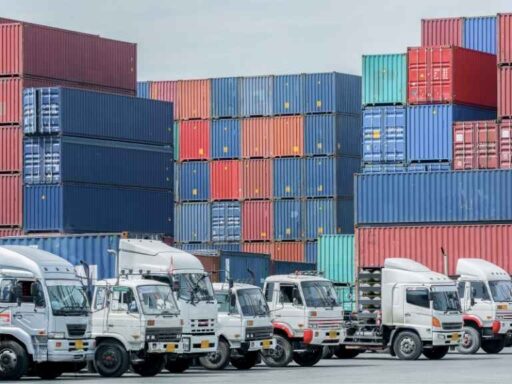
- Transporters and Logistics Firms: Trucks from neighboring states of Haryana, Uttar Pradesh, and Rajasthan now have entry curbs. They would have to offload material outside Delhi or through transshipment points, which would result in added cost and time.
- Fleet Owners and Drivers: Truck owners, particularly those with small or single fleets, have the harrowing option of either fleet modernization or denial of business access in the NCR market.
What This Means for the Relocation Industry
For the relocation and logistics sector, the short-term effect is disruption – but long-term, it signals transformation.
For the logistics and relocation industry, the immediate impact is disruption – but in the long term, it is a harbinger of change.
- Higher Costs: The prohibition is likely to add short-term costs of transportation because of the unavailability of fleets and re-routing.
- Less Flexibility: Movers will have to rely on BS6-compatible partners or third-party logistics companies for Delhi operations.
- Fleet Upgrade Pressure: Older truck companies must begin the move towards BS6 or other fuel vehicles (such as CNG or LNG).
- Potential Delay in Customer: Domestic relocation and business relocation services may face delivery delays, particularly for intrastate moves that include Delhi.
But this is also an awakening call, nudging the industry toward sustainable operations and compliance-ready systems that will shape the mobility of the future.
Adapting to the Change – A Sustainable Future
Forward-thinking relocation and logistics companies can use this challenge as an opportunity. Here’s how:
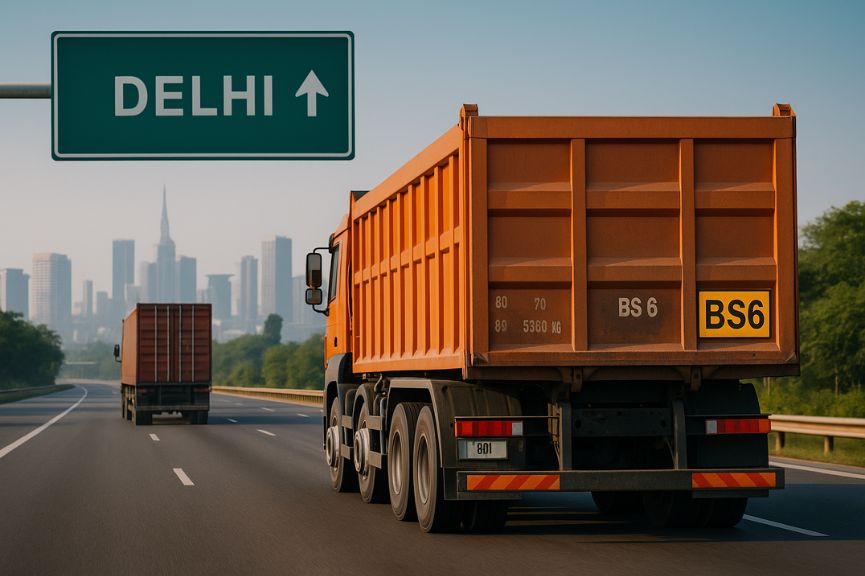
Invest in BS6 Fleets: Upgrading to BS6-compliant vehicles not only ensures compliance but also enhances fuel efficiency and longevity.
Adopt Alternate Fuels: Many firms are now exploring CNG, LNG, and hybrid electric models for city operations.
Collaborate with 3PL & Tech Platforms: Partnering with 3rd-party logistics providers or aggregator platforms can help manage last-mile deliveries and maintain consistency.
Plan Routes Strategically: Using smart route optimization and AI-driven logistics planning can minimize idle time and avoid restricted zones efficiently.
The Road Ahead for the Industry
While the immediate disruption is undeniable, the move toward cleaner, compliant vehicles is inevitable and positive in the long run. The relocation industry, traditionally dependent on diesel trucks, now stands at a crossroads: adapt or get left behind.
This transition could also open new avenues for green logistics, sustainable warehousing, and electric commercial vehicles, backed by government incentives and state-level schemes supporting fleet modernization.
As India’s logistics and mobility sector gears up for a greener decade, the Delhi BS6 vehicle ban could well become the turning point that accelerates responsible relocation practices and environment-conscious transport models.
The BS6 vehicle ban in Delhi is more than an environmental policy – it’s a call for industry transformation.
For the relocation sector, this change may seem challenging today, but it also offers a chance to lead the way toward cleaner, smarter, and more sustainable logistics tomorrow.
In the end, those who adapt will not just survive – they’ll set new benchmarks for responsible mobility.