
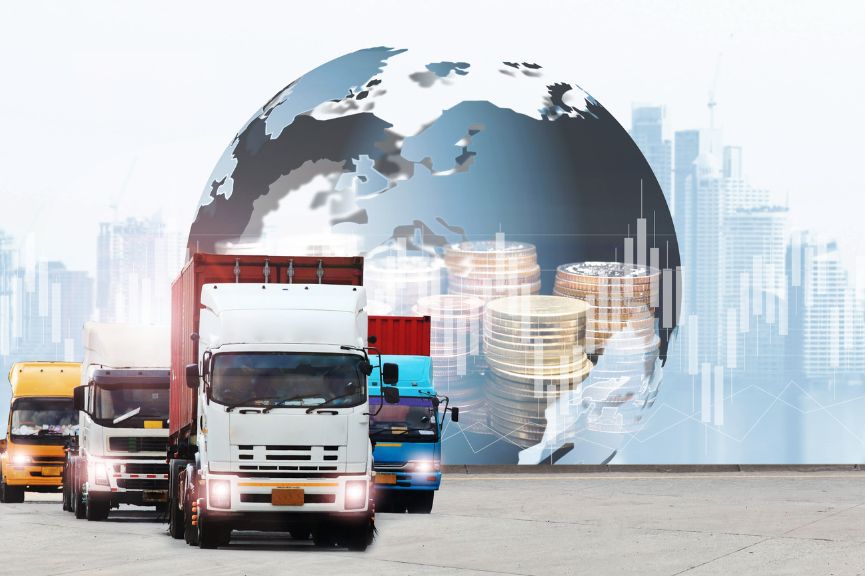
India’s transport and logistics sector has been on a massive growth curve for the last few years, but H1 2025 has marked a turning point. According to industry reports, deal value in the transport and logistics segment surged by nearly 85% during the first half of the year.
This means more investments, more mergers and acquisitions, more warehouse deals, more 3PL expansions, and—most importantly- a more modern, connected logistics ecosystem.
But the big question is:
What does this investment boom truly mean for packers and movers in India?
And how can small to mid-size relocation companies benefit from this shift?
Let’s break it down in simple, easy-to-understand terms.
Why Deal Value Has Jumped So Sharply in 2025
The 85% rise in transport and logistics deals isn’t a coincidence. It’s driven by a series of interconnected developments:
1. Heavy Investments in Infrastructure
Government-backed improvements—like multi-modal logistics parks, dedicated freight corridors, expressways, ports, and airport cargo capacity—are drawing huge investor attention.
This naturally makes logistics a safer, long-term investment.
2. Rapid Growth of Warehousing
Tier 2 and Tier 3 cities such as Jaipur, Indore, Lucknow, Coimbatore, and Guwahati are becoming emerging warehousing hubs.
Investors see this as a long-term opportunity driven by e-commerce, retail expansion, and rising regional consumption.
3. Rise of 3PL & 4PL Companies
Third-party logistics companies (3PLs) are growing at the fastest pace ever.
With businesses outsourcing everything—storage, delivery, transport management—3PLs are securing massive funds to expand.
4. Digital Transformation in Logistics
AI dashboards, real-time vehicle tracking, automated warehousing, and IoT-enabled fleet management are no longer “big company tools.”
Startups offering such digital solutions are attracting record funding.
5. Growth in E-commerce & Quick Commerce
More online shopping → more shipments → more transport needs → bigger logistics investments.
Quick-commerce players also demand fast, hyperlocal delivery networks—another big magnet for investors.

What This Means for the Packers & Movers Industry
The relocation industry is closely linked to logistics. When logistics grow, relocation grows with it.
Here’s how the boom impacts packers and movers across India:
Rising Demand for Professional Relocation Services
As economic activity increases, people move more—
shifting jobs
migrating to new cities
upgrading homes
opening new offices
expanding businesses
With warehousing and logistics on the rise, relocation companies benefit directly from increased mobility.
Movers Can Expand Into Storage Services
Many movers are now offering long-term and short-term storage, not just transport.
With new warehouses coming up across India, movers can collaborate with warehouse owners or even lease small spaces to offer:
luggage storage
furniture storage
car/bike storage
business storage
student storage
This is a high-margin, fast-growing opportunity.
Better Infrastructure Means Faster, Safer Relocation
Improved roads, expressways, and freight corridors reduce:
transit delays
fuel consumption
damages during transport
Better ports and airports also support international relocations, which are becoming more common among Indian families and students.
Movers Can Collaborate With 3PL Companies
With 3PL firms expanding aggressively, packers and movers can partner with them for:
last-mile delivery
warehouse assistance
manpower support
intercity vehicle pooling
regional distribution
This opens new revenue channels beyond traditional home shifting.
Access to Funding and Investor Interest
As logistics funding grows, smaller relocation startups may attract:
angel investors
seed-stage funds
strategic partnerships
micro-VC interest
Movers who adopt digital tools stand a better chance of being noticed.
App-Based & Tech-Enabled Movers Will Win
Customers today expect:
real-time tracking
transparent pricing
digital payments
online bookings
e-invoices
24/7 support
Movers who adopt technology will gain trust and more business.
Fleet Upgrades Will Become Easier
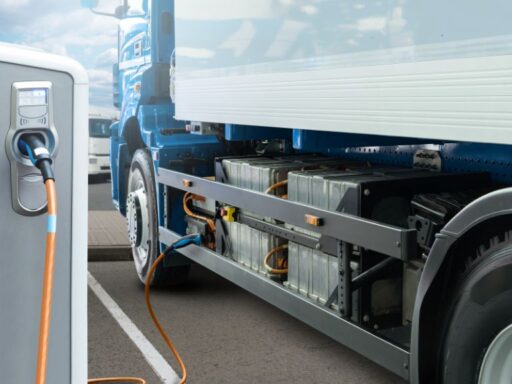
With more financing options and EV adoption incentives, movers can upgrade from outdated fleets to:
GPS-enabled trucks
containerized vehicles
electric cargo vans
smart moving equipment
This reduces operational costs and boosts brand credibility.
A Practical Playbook for Movers & Packers to Stay Ahead in 2025
Here is how relocation companies can ride the 2025 logistics boom:
Upgrade Your Fleet
Use fast-approval loans or partner with leasing companies to add:
small cargo vehicles
closed-body trucks
EV cargo options
This improves safety and reduces maintenance costs.
Get Listed on Logistics Platforms
Register on:
logistics marketplaces
aggregator apps
local hyperlocal delivery platforms
These boost visibility and bring steady leads.
Offer New Services
Expand into niche segments such as:
student relocations
pet relocations
office micro-moves
luggage-only relocations
warehouse tie-ups
last-mile distribution
Niche markets help smaller movers stand out.
Use Technology to Run Operations
Adopt simple, affordable tools for:
booking management
customer updates
driver tracking
complaint resolution
automated billing
Technology helps build trust and handles more volume with fewer staff.
Build a Strong Online Brand
2025 customers don’t call random numbers—they Google first.
Movers need:
a clean website
Google My Business listing
Instagram/Facebook presence
customer reviews
influencer/creator collaborations
Good online identity = more leads.
Train Your Workforce
With rising competition, customer experience will decide the winner.
Train staff in:
handling fragile goods
communication
safe loading/unloading
dispute management
Better service brings repeat customers.
Form Partnerships
Collaborate with:
real estate agents
interior designers
storage providers
HR & corporate relocation partners
3PL companies
Partnerships create steady monthly business.
2025 Is a Turning Point – Movers Must Evolve Now
The 85% jump in logistics deal value is a strong signal:
India’s transport ecosystem is upgrading faster than ever before.
Packers and movers who modernize their operations—whether through tech adoption, fleet upgrades, storage expansion, or partnerships—will be the biggest beneficiaries of this growth.
This is the best time for relocation companies to scale, innovate, and build a strong, reliable brand. The logistics boom is not a threat; it is a once-in-a-decade opportunity for movers willing to adapt.