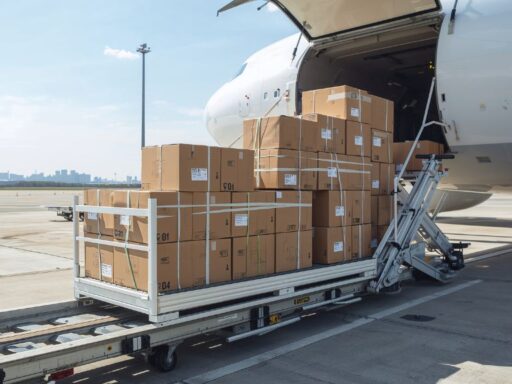

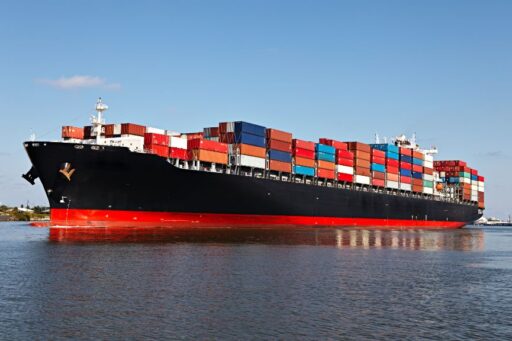
If you are planning an international move in 2026, one thing is impossible to ignore: shipping costs.
People often assume relocation costs rise only because of distance or service quality. But in reality, the biggest factor today is what is happening in the global freight market.
From container shortages to fuel prices, global logistics pressures are directly shaping the cost of moving homes across borders.
Why Freight Costs Matter in Personal Relocation
When household goods move internationally, they travel the same routes as commercial cargo.
That means home relocations are affected by:
Container availability
Port congestion
Fuel prices
Global trade demand
Even though the shipment is personal, the pricing follows global freight economics.
Container Rates Remain Volatile in 2026
After the extreme spikes during the pandemic, container rates have stabilized—but they have not returned to pre-pandemic lows.
In 2026:
Rates fluctuate more frequently
Peak seasons are sharper
Sudden global events impact pricing quickly
Relocation shipments often use shared containers, which means customers feel these changes immediately.
Fuel Costs Continue to Push Prices Up
Fuel is one of the largest cost components in shipping.
Higher fuel prices affect:
Ocean freight surcharges
Inland trucking costs
Port handling fees
Even small fuel increases ripple across the entire logistics chain, raising final relocation bills.
Port Congestion Still Has an Impact
Major global ports continue to handle record volumes.
Congestion causes:
Longer transit times
Higher storage and detention charges
Increased uncertainty in delivery schedules
For families relocating abroad, delays can be stressful and costly.
Geopolitical and Trade Pressures Add Uncertainty
Global trade routes are sensitive to:
Political tensions
Regulatory changes
Weather disruptions
These factors can force ships to take longer routes, increasing time and cost for shipments.
Relocation customers often feel the impact without understanding the reason.

How This Affects Overseas Relocation Budgets
International freight costs now account for a larger portion of total relocation expenses.
Customers are noticing:
Higher base shipping rates
Additional surcharges
Limited flexibility in moving dates
As a result, many people are rethinking what they take with them.
Smarter Packing and Partial Moves Are Increasing
To manage rising costs, families are:
Shipping only essential items
Using storage services in India
Opting for shared containers
Selling bulky furniture before moving
This shift has changed how international movers design their services.
What Movers Are Doing Differently
Professional movers are adapting by:
Offering detailed cost breakdowns
Planning shipments around low-demand periods
Advising customers on volume reduction
Using digital tools to predict cost fluctuations
Transparency has become a key expectation.
Why Early Planning Makes a Big Difference
In 2026, last-minute international moves are expensive.
Customers who plan early benefit from:
Better container availability
Lower seasonal surcharges
More routing options
Early decisions help reduce both cost and stress.
Freight Costs Shape Global Mobility
International relocation today is deeply connected to global trade.
Understanding freight costs helps customers make informed decisions- and helps movers build trust.
In 2026, successful global moves depend not just on packing skill but on logistics awareness.
SEO Elements
Slug:
international-freight-costs-2026-global-moves
Meta Description:
Trending Keywords: