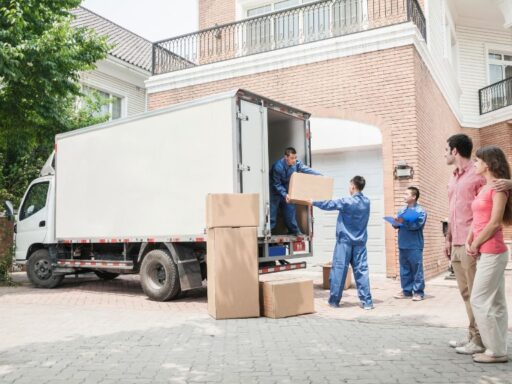
When most people think about relocation, they imagine one thing: a truck.
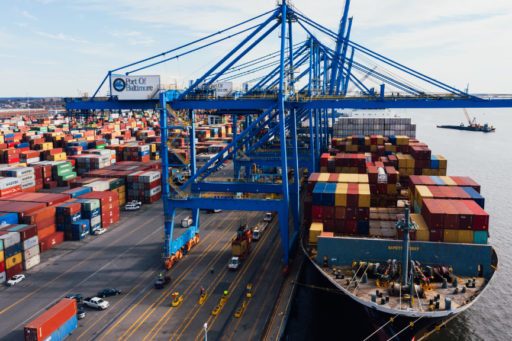
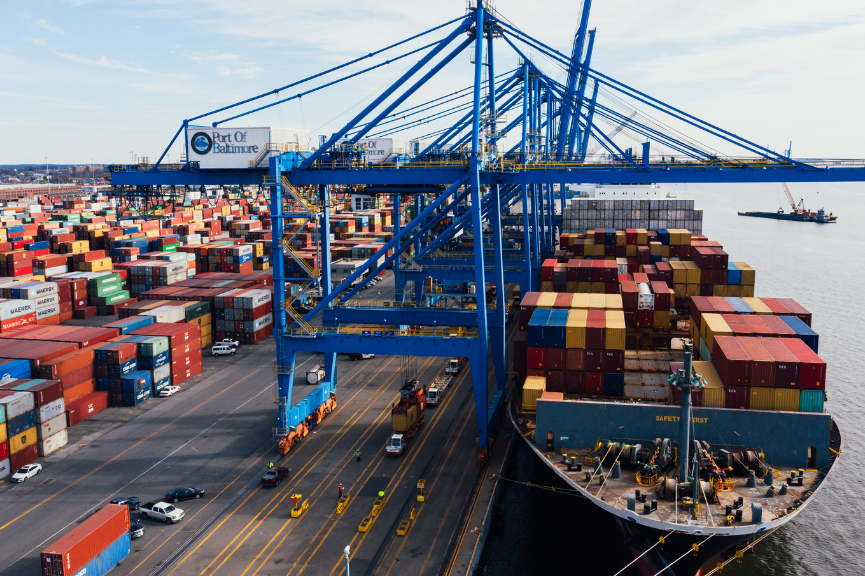
But in 2026, moving a home or office is no longer just about roads. India’s transport system is slowly becoming multimodal, where railways, highways, and waterways work together.
This shift may sound technical, but its impact on relocation services is very real. It affects pricing, timelines, safety, and even how movers plan routes.
Let’s understand what this means, without the jargon.
What Is Multimodal Transport (In Simple Terms)
Multimodal transport means using more than one mode of transport for a single movement of goods.
For example:
- Goods move by truck from a home to a rail terminal
- Travel long distances by rail
- Get delivered at the destination by truck again
In some cases, waterways can replace part of the road journey, especially for bulk movement.
For relocation, this is becoming a serious option, not just a theory.
Why Multimodal Transport Is Growing in India
India is investing heavily in:
- Dedicated freight corridors
- Multimodal logistics parks
- Inland waterways
- Port connectivity projects
The goal is simple: reduce cost, reduce congestion, and move goods faster.
As these systems mature, relocation services will start tapping into them.
How Rail Integration Changes Long-Distance Moves
Rail is ideal for long distances.
For movers, rail offers:
- Lower fuel cost per kilometre
- Less wear and tear on vehicles
- More predictable transit time
- Lower risk of driver fatigue
For inter-state relocations, especially across regions, rail becomes a smart backbone.
The truck still matters, but it becomes part of a larger chain.
What Waterways Mean for Certain Routes
Inland waterways may not suit every move, but for specific corridors, they offer:
- Cost efficiency
- Reduced congestion
- Environment-friendly movement
For bulky shipments or consolidated household goods, waterways can reduce pressure on roads—especially for port-linked relocations.
This opens new planning possibilities for movers operating near river and coastal networks.
What This Means for Pricing
Multimodal transport can change pricing in subtle ways.
Instead of charging only by:
- Distance
- Truck size
Movers may start pricing based on:
- Mode combination
- Transit efficiency
- Consolidation opportunities
For customers, this could mean more stable pricing—less affected by fuel spikes or highway delays.
Better Safety & Lower Damage Risk
Rail and water transport offer smoother long-haul movement compared to continuous road driving.
This reduces:
- Shock damage
- Overhandling
- Transit stress on fragile items
For high-value relocations, multimodal routes may become the preferred choice.
New Skills Movers Will Need
This shift also means movers must evolve.
They will need:
- Better planning skills
- Coordination with terminals and hubs
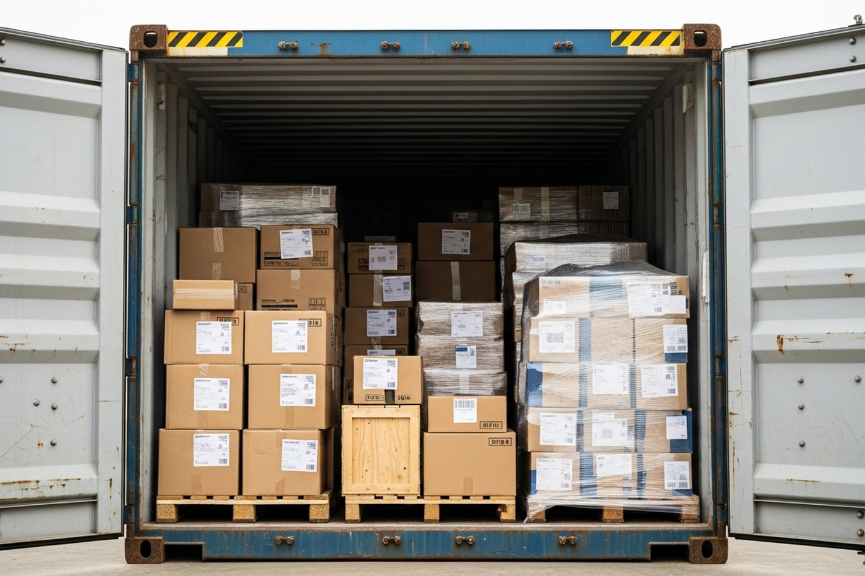
- Documentation management
- Digital tracking across modes
Relocation becomes less about driving and more about logistics intelligence.
What Customers Should Expect
Customers may notice:
- Slightly longer planning time
- More detailed surveys
- Better delivery predictability
- Clearer cost breakdowns
The actual moving experience becomes more structured and less chaotic.
Moving Is Becoming Smarter, Not Just Faster
Multimodal transport doesn’t replace trucks; it redefines their role.
In 2026, the best relocation services will not be the ones that drive the fastest, but the ones that plan the smartest.
Rail, road, and waterways working together mean:
- Lower costs
- Safer transit
- More reliable delivery
For movers, this is a chance to evolve.
For customers, it’s a promise of smoother moves.
And for the relocation industry, it marks a quiet but powerful transformation.