
For years, India’s e-commerce boom was a metro story. Warehouses grew around big cities, delivery networks expanded in urban clusters, and logistics investments followed demand in the largest consumption zones. But that story is changing fast. The next phase of growth is no longer limited to metros or even Tier-2 cities. The real momentum is now coming from smaller towns and emerging markets across India.
Tier-3 and Tier-4 cities are rapidly becoming powerful consumption centres. Affordable smartphones, improved internet connectivity, and increasing digital payments have brought millions of new customers online. As a result, e-commerce demand is spreading deeper into the country, and this shift is quietly creating a new opportunity for relocation companies.
One of the most promising spaces opening up is micro-fulfillment.
A New Kind of Growth Story
In the past, most logistics planning revolved around major hubs. Companies built large warehouses on city outskirts and moved goods from there to smaller regions. This worked when demand was concentrated.
But now, demand is scattered.
Customers in smaller towns expect the same delivery speed as metro users. They want faster shipping, reliable tracking, and easy returns. To meet these expectations, companies are building smaller, localised storage spaces closer to customers — micro-fulfillment hubs.
These hubs don’t need massive infrastructure. They need:
- Small storage units
- Quick handling capability
- Efficient local transport access
- Flexible space management
And this is where movers and packers can play a much bigger role.
Why Tier-3 & Tier-4 Markets Are Booming
There are several reasons why e-commerce is growing quickly beyond large cities.
First, digital access has improved dramatically. Even small towns now have strong mobile connectivity and widespread digital payment adoption.
Second, income patterns are changing. Young professionals are staying in smaller cities while working remotely or running local businesses. Their consumption habits mirror those of urban buyers.
Third, infrastructure is improving. Better roads and transport connectivity are reducing delivery challenges.
Together, these factors are turning smaller cities into active logistics zones rather than passive endpoints.
The Micro-Fulfillment Model Explained
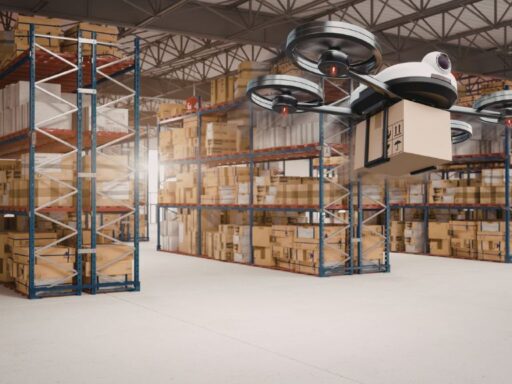
Micro-fulfillment is a simple concept. Instead of one big warehouse serving an entire region, companies set up multiple smaller storage points closer to customers.
These local hubs help:
- Reduce delivery time
- Lower last-mile costs
- Improve inventory availability
- Speed up returns
For example, instead of shipping every product from a metro warehouse, items can be stored in smaller towns where demand is growing. Orders can then be fulfilled locally.
This model is expanding rapidly – and it needs space, handling, and transport support.
Why This Matters for Movers
Traditionally, movers focused on household relocation and office shifting. But the logistics landscape is evolving. The skills movers already have can easily translate into supporting micro-fulfillment operations.
Think about what movers are already good at:
- Packing and handling goods safely
- Managing transport logistics
- Operating storage facilities
- Coordinating intercity movement
These capabilities align perfectly with what micro-fulfillment networks need.
Movers don’t need to completely change their business model. They just need to expand their services slightly.
Storage: From Temporary to Strategic
Many moving companies already offer storage services. But in the future, storage may become a core revenue stream rather than just an add-on.
Micro-fulfillment hubs require:
- Short-term storage for fast-moving goods
- Flexible space for seasonal inventory
- Secure facilities in smaller cities
Movers who already operate storage units can reposition them as local distribution points for e-commerce sellers.
This shift can create steady, recurring income – something the relocation business often lacks due to its project-based nature.
New Revenue Opportunities in Smaller Cities
Tier-3 and Tier-4 towns are not just consumption hubs. They are also becoming business hubs.
Small sellers, local brands, and regional manufacturers are entering e-commerce. But they often struggle with logistics infrastructure.
Movers can support them by offering:
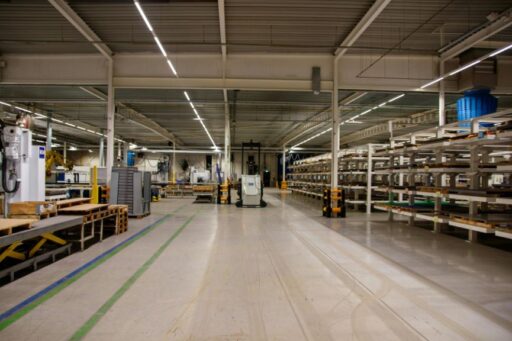
- Local warehousing
- Inventory handling
- Distribution support
- Pickup and dispatch services
Instead of focusing only on residential customers, relocation companies can tap into business clients in emerging markets.
A Natural Extension of Existing Networks
Most movers already operate across multiple cities. Their transport routes connect major hubs with smaller towns.
This network can be used more efficiently.
For example:
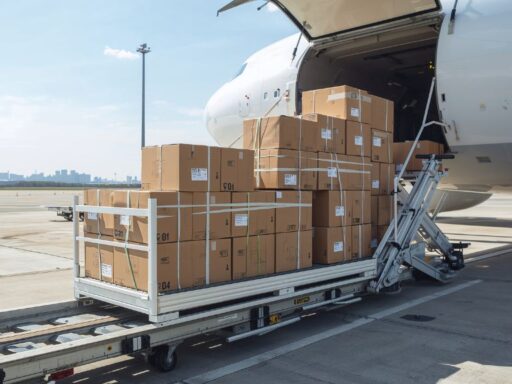
- Trucks that return empty after a delivery can carry e-commerce goods.
- Storage spaces can be converted into distribution points.
- Local staff can manage last-mile coordination.
This approach improves asset utilisation and reduces idle capacity.
Faster Deliveries Need Local Support
As e-commerce expands into smaller cities, delivery timelines are becoming tighter. Customers no longer accept week-long waiting periods.
To deliver faster, companies must store products closer to buyers.
This means micro-fulfillment hubs will continue growing – and movers can become partners in this expansion.
Companies setting up these hubs need help with:
- Facility setup and shifting
- Stock movement
- Warehouse relocation
- Ongoing logistics support
Movers can position themselves as infrastructure partners rather than just transport providers.
A Chance to Enter the Logistics Ecosystem
The line between relocation and logistics is slowly blurring.
Many logistics companies are entering storage and transport services. At the same time, movers are exploring warehousing and distribution.
Micro-fulfillment offers a middle ground where both industries meet.
For relocation companies, this is a chance to:
- Diversify income streams
- Reduce dependence on seasonal demand
- Build long-term client relationships
- Expand into the B2B segment
This shift may require some operational adjustments, but the potential rewards are significant.
Technology Will Play a Key Role
As micro-fulfillment grows, technology will become essential.
Businesses will expect:
- Inventory tracking
- Digital booking systems
- Real-time updates
- Automated coordination
Movers who invest in basic tech systems can easily integrate into the e-commerce supply chain.
Even small improvements – like digital inventory logs or simple tracking tools- can make a big difference.
The Early Movers Will Win
Right now, this opportunity is still emerging. Many relocation firms have not yet explored micro-fulfillment seriously.
That means early adopters can establish a strong presence in smaller cities before competition increases.
They can start small:
- Convert part of existing storage into fulfillment space
- Partner with local e-commerce sellers
- Offer short-term warehouse solutions
As demand grows, these small steps can turn into a major business vertical.
A Long-Term Shift, Not a Temporary Trend
The growth of e-commerce in Tier-3 and Tier-4 cities is not a short-term spike. It is part of a deeper economic shift.
More people are shopping online. More businesses are selling online. And more goods are moving through smaller cities than ever before.
As this trend continues, logistics networks will spread further. Micro-fulfillment will become a normal part of supply chain planning.
Relocation companies that adapt to this new reality can become key players in the next phase of logistics growth.
The rise of smaller cities as e-commerce powerhouses is reshaping how goods move across the country. Large warehouses alone cannot support this new demand. Local storage, faster handling, and flexible distribution models are becoming essential.
For movers, this is more than just an industry shift. It’s a rare opportunity to expand beyond traditional services.
By stepping into micro-fulfillment support, relocation firms can build new revenue streams, strengthen their local presence, and become part of a much larger logistics ecosystem.
The future of logistics is not just in big cities anymore. It is in the towns and communities where demand is growing quietly but steadily – and the movers who recognise this early will be best positioned to grow along with it.