
Across India, drone delivery is no longer limited to test projects and pilot programs. Infrastructure is improving, regulations are becoming clearer, and logistics companies are exploring real-world use cases. While we may not see drones replacing delivery vans overnight, the signs are clear – urban logistics is changing.
This shift matters not only for e-commerce but also for sectors like healthcare, express cargo, and even relocation services that depend on speed and efficiency.
From Testing to Real-World Operations
Just a few years ago, most drone activity was limited to small experiments. Companies tested short-distance flights in controlled environments. The goal was simple: prove that drones could deliver safely and reliably.
Now, the focus is changing.
In 2026, many drone initiatives are moving from testing to limited operational routes. This means:
Regular deliveries in selected areas
Dedicated drone corridors in some regions
Use in time-sensitive sectors like medical supply transport
Integration with existing logistics networks
This is an important shift. It shows that drones are no longer just a concept – they are slowly becoming part of the logistics system.
Why Urban Areas Need Drone Delivery
Cities today face one common problem: traffic.
No matter how strong the road network becomes, congestion continues to slow down deliveries. Even short-distance transport can take hours during peak times.
This is where drones can make a difference.
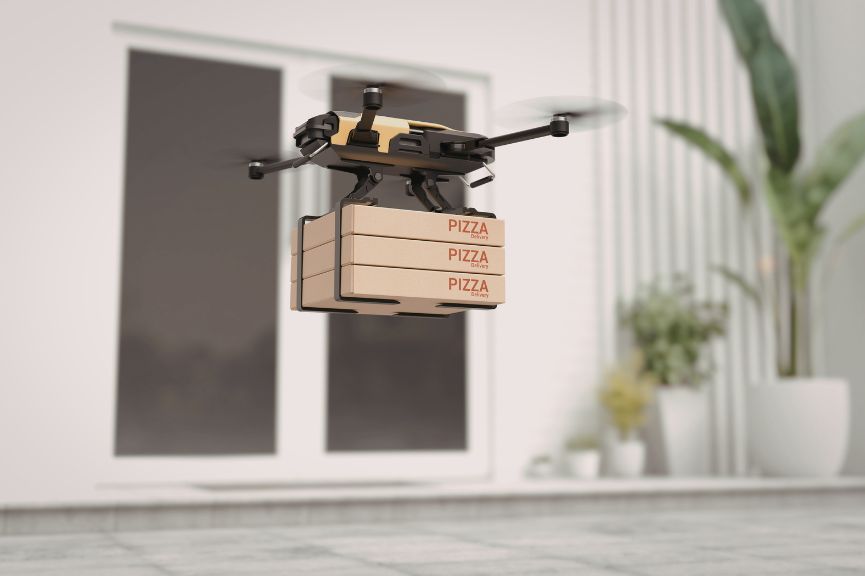
They can fly directly from one point to another without getting stuck in traffic. For urgent deliveries, this can save valuable time.
In urban logistics, drones can help with:
Last-mile delivery in crowded areas
Transporting small, urgent packages
Reducing delivery time for essential goods
Reaching locations that are hard to access by road
In fast-moving cities, even a small improvement in delivery speed can make a big difference.
The Healthcare Sector Is Leading the Way
One of the biggest early users of drone delivery is the healthcare sector.
Hospitals and medical facilities often need:
Blood samples
Medicines
Emergency equipment
These items are small, but they need to be delivered quickly. Drones can handle this job efficiently, especially in urban areas where road traffic can cause delays.
As these healthcare use cases grow, they also help build trust in drone technology. People begin to see that drones are not just gadgets – they can save time and even lives.
What This Means for the Logistics Industry
For logistics companies, drone delivery is both an opportunity and a challenge.
On the one hand, it can improve speed and service quality. On the other hand, it requires new systems, new skills, and new partnerships.
Companies may need to:
Learn how to integrate drones with existing delivery networks
Create special handling processes for drone shipments
Train teams to manage drone-based logistics
Work with tech providers who operate drone fleets
This doesn’t mean every logistics company needs to own drones. But understanding how they fit into the future supply chain will be important.
Can Drones Help the Relocation Industry?
At first, drone delivery may seem unrelated to packers and movers. After all, drones cannot carry furniture or large household goods.
But that doesn’t mean they have no role to play.
Think about the smaller, urgent needs during a relocation:
Important documents
Keys and access cards
Small electronic items
Emergency essentials
In the future, drones could help deliver these items quickly, especially during inter-city or corporate relocations.
For example, if a family moves to a new city and needs important items delivered before the main truck arrives, drones could provide fast support.
This creates a new layer of service – not for large moves, but for urgent, small shipments.
The Infrastructure Challenge
For drone delivery to become truly common, infrastructure needs to grow.
This includes:
Safe landing zones
Dedicated air routes
Monitoring systems
Clear operating rules
In 2026, progress is visible, but it is still at an early stage. Large-scale adoption will take time.
Cities will need to plan how drones can operate safely without disturbing daily life. Safety and privacy will also be key concerns.
But step by step, the foundation is being built.
Cost: The Big Question
One of the biggest questions around drone delivery is cost.
At the moment, drone operations are still expensive compared to regular delivery for most types of goods. But like any new technology, costs may come down as usage increases.
In the beginning, drone delivery will likely focus on:
Premium services
Emergency shipments
High-value items
As the technology improves and becomes more common, it may become more affordable for everyday use.
Customer Expectations Are Changing
Today’s customers expect faster service than ever before.
Same-day delivery has already become normal in many cities. Next-day delivery is often seen as slow. This growing demand for speed is pushing logistics companies to explore new solutions.
Drones fit perfectly into this mindset.
Even if they are used only for certain deliveries, they help create an image of modern, fast, and tech-driven service.
For companies, this is not just about delivery speed. It is also about staying relevant in a fast-changing market.
Safety and Regulation Still Matter
While the excitement around drones is growing, safety remains a top priority.
Authorities are working to ensure that:
Drones do not interfere with aircraft
Deliveries are safe for people on the ground
Data and privacy concerns are addressed
These rules are necessary for long-term growth. Without proper systems, large-scale drone delivery cannot succeed.
In 2026, we are seeing more clarity and structure in how drones are allowed to operate. This is a positive sign for the future.
A New Layer in the Logistics Ecosystem
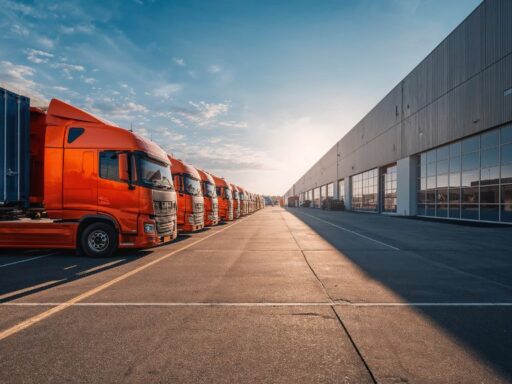
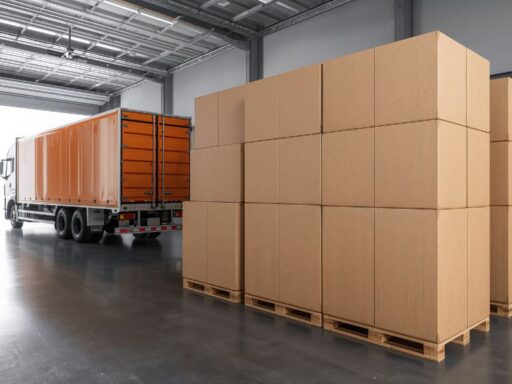
It is important to understand that drones will not replace trucks, vans, or trains.
Instead, they will become an additional layer in the logistics ecosystem.
Think of it this way:
Trucks will still handle bulk transport
Trains will move large freight across long distances
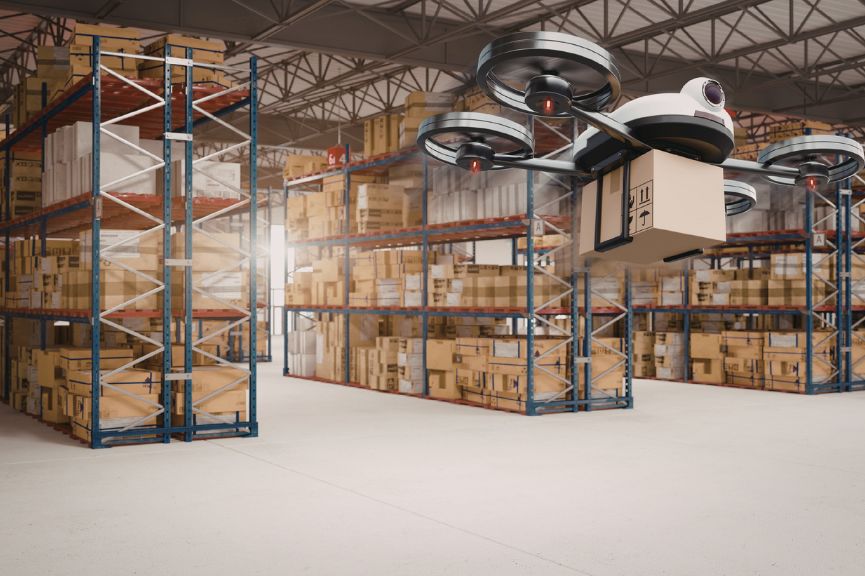
Drones will handle small, urgent deliveries
Each mode will play its own role.
This balanced system can make logistics faster and more flexible.
The Road Ahead
So, is 2026 the year drone delivery becomes real in urban logistics?
The answer is yes – but in a gradual way.
We may not see drones delivering every online order just yet. But we will see more real use cases, more operational routes, and more companies experimenting with the technology.
The biggest change is not the drones themselves. It is the mindset.
Logistics is becoming faster, smarter, and more tech-driven. And drones are part of that transformation.
For relocation companies, the message is simple: the industry is evolving. While large household moves will still depend on trucks, small, urgent deliveries could soon take to the skies.
The future of logistics may not be fully airborne yet. But it is definitely starting to lift off.