
A New Era of Last-Mile Logistics in India. For decades, last-mile delivery in India has depended almost entirely on road trucks, vans, and two-wheelers carrying goods from warehouses to customers. But by 2026, a quiet transformation is underway.
Logistics companies are beginning to experiment with new delivery models that go beyond traditional road transport. Buses, drones, electric vehicles, and hybrid systems are becoming part of the logistics conversation.
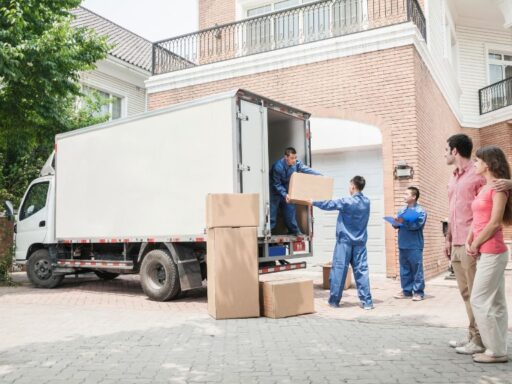
These innovations are not only changing e-commerce and courier services. They are also likely to influence the relocation and packers-and-movers ecosystem in the coming years.
The idea is simple: instead of relying only on trucks, logistics companies are integrating multiple transport modes to make deliveries faster, cheaper, and more reliable.
Why Last-Mile Logistics Needs Innovation
Last-mile delivery is often the most expensive part of logistics operations.
Studies suggest that routing inefficiencies and urban complexity make last-mile delivery a major cost driver in logistics operations.
India’s growing e-commerce market and rising customer expectations are putting pressure on logistics companies to improve delivery speed while controlling costs.
Quick-commerce platforms promising 10–15 minute deliveries have accelerated the demand for faster last-mile networks and hyperlocal warehouses.
This environment is pushing companies to explore alternatives beyond traditional trucks and vans.
Bus-Based Logistics: An Old Idea Becoming New Again
One of the most interesting developments is the use of public transport networks for logistics.
Bus networks already connect thousands of locations daily. Using these routes to transport parcels can improve efficiency without requiring new infrastructure.
Research shows that combining buses with delivery networks can reduce costs while expanding service coverage.
In India, improved feeder bus systems are already being developed to strengthen last-mile connectivity in cities.
Although these initiatives are mainly focused on passengers, the same networks could be used for parcel transport in the future.
How Bus Logistics Could Work
A typical model might include:
- Parcels loaded at city hubs
- Transported via scheduled bus routes
- Stored at local collection points
- Delivered to homes via small vehicles
This approach reduces the need for long-distance delivery vans inside cities.
Drone Delivery Is Becoming Real
Drone logistics is no longer just a concept.
In recent years, multiple drone logistics pilots have demonstrated the potential of aerial delivery.
Companies are already conducting thousands of drone deliveries, especially in healthcare and remote regions.
Some logistics providers are even building hybrid networks that combine drone and road delivery systems.
These networks aim to:
- Reduce delivery time
- Cut fuel costs
- Improve access to remote areas
- Lower carbon emissions
Drone systems are particularly useful for small and urgent shipments.
Hybrid Logistics Networks Are the Future
The real innovation is not buses or drones alone.
It is the integration of multiple transport modes into a single system.
Hybrid logistics networks may include:
- Trucks for long-distance transport
- Buses for urban distribution
- Drones for final delivery
- Electric vehicles for short trips
This layered approach creates flexibility.
For example:
- Goods move between cities by truck.
- Parcels are transferred to urban hubs.
- Buses distribute shipments across neighborhoods.
- Small vehicles or drones complete the delivery.
This system can reduce congestion and improve efficiency.
Technology Makes Integration Possible
Hybrid logistics systems depend heavily on technology.
Digital platforms now allow companies to:
- Track shipments in real time
- Optimize routes
- Coordinate multiple transport modes
- Reduce delivery delays
Technology-driven logistics platforms are already helping companies reduce costs and improve efficiency.
Without digital coordination, multimodal logistics would be difficult to manage.
What This Means for Packers and Movers
At first glance, last-mile innovation may seem unrelated to relocation services.
After all, household shifting still depends heavily on trucks.
But the impact will be real.
1. Faster Urban Deliveries
Hybrid logistics can speed up deliveries of:
- Packing materials
- Small shipments
- Spare items
- Documents
This improves service quality.
2. Partial Shifts Will Grow
Hybrid logistics systems make it easier to move smaller loads.
This supports:
- Single-room shifting
- Student moves
- Office equipment relocation
These services are becoming more common.
3. Shared Logistics Networks
Movers may start sharing logistics networks with courier companies.
Instead of running empty trucks, companies can use:
- Shared transport
- Partial loads
- Hybrid routes
This improves profitability.
Real-World Examples Emerging
Several developments indicate the direction logistics is heading.
Drone deployments are expanding into major cities and inter-city routes.
Electric delivery fleets are also being integrated with logistics networks in urban areas.
Multimodal logistics providers already combine warehousing, road transport, and last-mile delivery into unified systems.
These examples show how logistics is becoming more integrated.
Challenges Still Exist
Despite the promise, challenges remain.
Infrastructure
Hybrid logistics requires:
- Transfer hubs
- Smart warehouses
- Storage lockers
- Charging stations
These systems are still developing.
Regulation
Drone delivery and multimodal logistics need clear regulations.
Safety and airspace management are critical.
Progress is being made, but full adoption will take time.
Cost
New logistics systems require investment.
Smaller companies may find adoption difficult at first.
However, costs typically decrease as technology matures.
The Long-Term Impact of Relocation
Over the next decade, relocation services may look very different.
Instead of one large truck handling everything, future moves may include:
- Main household goods transported by truck
- Small items delivered earlier
- Storage handled separately
- Documents shipped instantly
This modular approach could improve flexibility.
Customers increasingly prefer customized services rather than one-size-fits-all moves.
Hybrid logistics supports this shift.
A Gradual Transformation
Last-mile innovation in India will not happen overnight.
Road transport will remain the backbone of logistics for years.
But buses, drones, and hybrid systems will slowly become part of the ecosystem.
For movers and logistics companies, the message is clear:
The future of delivery will not depend on one mode of transport.
It will depend on how well different modes work together.
Companies that adapt early will be better prepared for the next phase of India’s logistics growth.