


India’s City-Wise Vehicle Restrictions in 2026
If relocating houses is becoming more difficult for you, then you are right because, in 2026, relocation will not only be limited to loading and transporting goods but will also require maneuvering through an intricate network of rules for vehicles that vary from place to place. With the population increase in India, metropolitan areas have become very crowded, which has led to many rules being implemented by the concerned local authorities to curb traffic and pollution.
Logistics and moving businesses will face a lot of difficulties in this situation. Unlike before, movers will not be operating within a common set of regulations; they will have to comply with rules that vary from metro to metro, thus having implications on their operations.
Delhi: Where Regulations Are Driven by Pollution Control
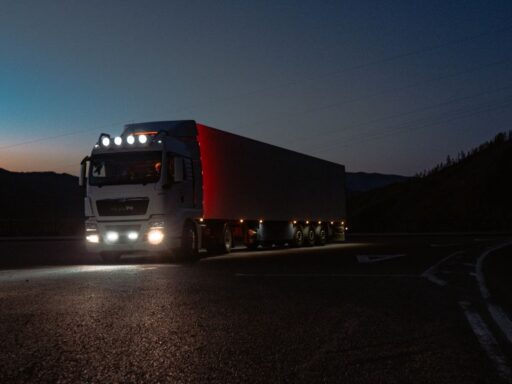
The restrictions placed on vehicle operations in Delhi are directly associated with the problem of air pollution. In terms of truck transportation, Delhi has some of the toughest regulations, particularly regarding heavy trucks. It is common practice to restrict entry to the city during daylight hours, which leads to nighttime movement of vehicles.
The issue will have consequences throughout the relocation process. First, nighttime work requires more coordination and is accompanied by increased labor expenses. Secondly, the regulatory framework in Delhi is constantly changing. In case of air pollution, the authorities may completely prohibit the operation of specific vehicle types, posing problems for movers.
Mumbai: Space Constraints Meet Time-Based Restrictions
Mumbai offers a totally different situation. Despite having time limitations to move around for vehicles, the problem lies in the space aspect, where the narrow roads, crowdedness, and traffic put extra pressure on even moving for a short distance.
The difficulty that most movers face includes the problem of finding spaces to park their goods as well as the inability to move in and out because of the limited space available. For this reason, big trucks are switched for small ones when delivering items.
Bengaluru: Traffic Congestion Redefining Movement
In Bengaluru, the challenge is less about strict bans and more about unpredictable traffic patterns. Known for its congestion, the city has introduced time-based restrictions in key areas to manage flow, particularly in central and IT corridors.
Even when movement is allowed, delays are common. A journey that should take an hour can stretch into several hours depending on traffic conditions. For relocation companies, this makes accurate delivery timelines difficult to maintain. It also increases fuel consumption and operational costs, forcing movers to rely more on route optimization and real-time tracking tools to stay efficient.
Chennai: Balancing Urban Movement with Port Traffic
Chennai’s logistics ecosystem is heavily influenced by its role as a port city. Freight traffic and urban movement often intersect, leading to controlled vehicle access in certain zones. Restrictions are typically time-based and designed to reduce congestion in key corridors.
For movers, this creates a need to carefully plan routes and avoid peak freight movement hours. Compliance with environmental norms is also becoming more important, especially as the city pushes toward cleaner transport solutions. These factors make relocation planning in Chennai a balance between timing, regulation, and route efficiency.
Hyderabad: A City Transitioning Toward Structured Logistics
Hyderabad represents a more evolving landscape. With expanding infrastructure such as outer ring roads and logistics corridors, the city is gradually introducing structured vehicle regulations to manage growth.
While restrictions are not as intense as in older metros, they are steadily increasing in central zones. For movers, this offers both challenges and opportunities. Better infrastructure allows faster intercity movement, but growing urban controls mean companies must adapt early to avoid future bottlenecks.
Kolkata: Legacy Infrastructure Creating Unique Constraints
Kolkata’s logistics challenges are rooted in its older infrastructure. Narrow roads, aging bridges, and dense neighborhoods limit the movement of large vehicles in many parts of the city.
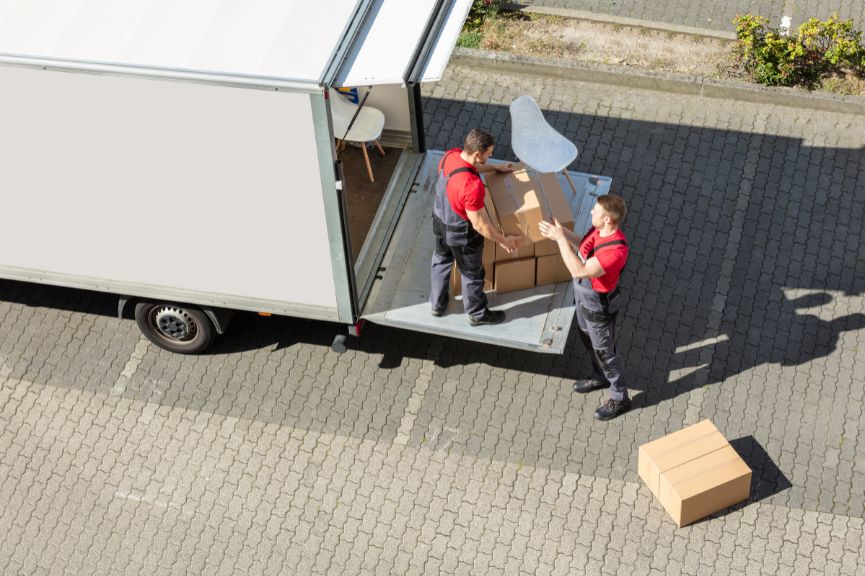
Vehicle restrictions here are often practical rather than policy-driven. Movers frequently rely on smaller vehicles to navigate tight lanes and crowded areas. This increases the number of handling stages during a move, which can affect both time and cost. In many ways, relocation in Kolkata requires adaptability more than scale.
The Rise of Electric Vehicle Policies Across States
Beyond city-specific rules, a broader shift is happening across India with the push toward electric mobility. Several states are promoting electric vehicles through incentives while gradually discouraging diesel-based fleets.
For logistics companies, this is both a challenge and a long-term opportunity. Transitioning to electric fleets requires investment and infrastructure planning, but it also aligns with future regulations. In some cases, electric vehicles may receive easier access or fewer restrictions in urban areas, making them a strategic choice for forward-looking movers.
Interstate Movement and Regulatory Overlaps
While city-level restrictions are complex, interstate logistics adds another layer. Moving goods across state borders involves compliance with permits, documentation, and toll systems. Even with GST simplifying taxation, operational differences between states still exist.
For relocation companies, this means managing both city and state regulations simultaneously. A move from one metro to another is not just about distance but about navigating multiple regulatory environments along the way.
How These Restrictions Are Impacting Moving Costs
All these regulations ultimately reflect in the cost of moving. When trucks are forced to operate at night, when goods need to be transferred to smaller vehicles, or when routes need to be altered due to restrictions, operational expenses increase.
Customers may not always see these complexities, but they experience them through pricing and delivery timelines. What appears to be a simple intracity move may involve multiple layers of planning, compliance, and coordination behind the scenes.
Adapting to a Regulated Future
The relocation industry is already evolving in response to these changes. Companies are investing in technology to optimize routes and track vehicles in real time. Many are diversifying their fleets to include smaller vehicles and electric options. Others are building localized networks to handle last-mile delivery more efficiently.
These adaptations are not just about compliance; they are about staying competitive in a market where efficiency and reliability matter more than ever.
In 2026, logistics in India will no longer be just about moving goods from one place to another. It is about understanding how each city functions, how regulations shape movement, and how infrastructure influences efficiency.
Vehicle restrictions may seem like obstacles, but they are also driving the industry toward smarter, cleaner, and more organized systems. For movers, success lies in adapting to these changes. For customers, it explains why moving today feels different from what it used to be.
Because in modern India, every move is not just a journey across distance, it is a journey through a complex and evolving regulatory landscape.