
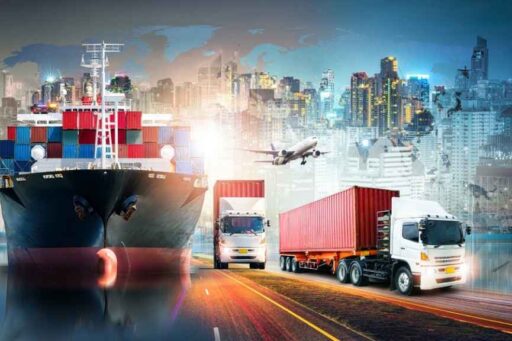
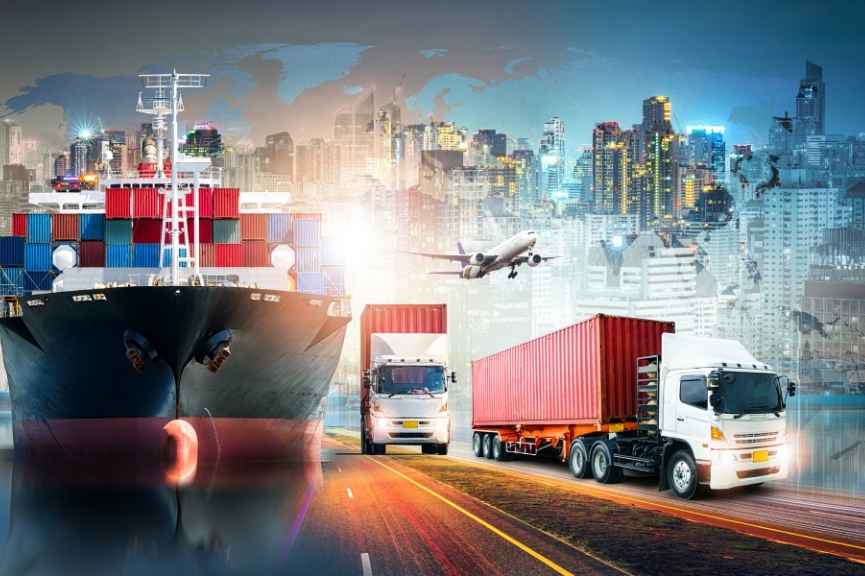
Cross-border logistics means the movement of goods between two or more countries, along with customs clearance, compliance with the trading regulations, and often transportation through multiple modes. For India, being close to countries like Nepal, Bhutan, Bangladesh, Myanmar, Sri Lanka, China, and Pakistan, it’s the most important aspect of trade. Trade relations are majorly important for regional economic development, but are always faced with numerous challenges that affect their effectiveness and costs.
Key Challenges
1. Custom Delays and Documentation Issues
One of the most persistent hurdles in cross-border trade is the lack of harmonized documentation. Every country has its requirements for customs clearance. These long waiting times at the border caused by issues of manual paperwork, absence of integrated digital systems, paperwork verification delays, etc., contributed significantly to slowing down the whole process.
2. Infrastructure Bottlenecks at Border Points
Many land border points between India and its neighbors are congested and lack modern facilities like container yards, cold storage, and mechanized cargo handling systems. Road connectivity to border towns is also poor, thus further aggravating transit delays.
3. Political Tensions and Trade Restrictions
Because of diplomatic strains, sudden changes in trade agreements, restrictions on certain goods, or even outright bans on bilateral trade after a diplomatic row are common. For example, spirited diplomatic tension with Pakistan has resulted in a suspension of several cross-border trade routes in recent years.
4. Tariff and Non-Tariff Barriers
In addition to these import duties and tariffs, traders have to deal with non-tariff barriers, such as quality inspections of goods, the requirement of special permits, and differing technical standards. Not only do these barriers increase costs, but they also create uncertainty on the part of the exporter and importer.
5. Security Concerns and Smuggling Issues
The channels and means of cross-border trade are vulnerable to smuggling of restricted goods, counterfeiting, and wildlife trafficking. This necessitates stringent checks, further delaying the legitimate shipments.
6. Absence of Harmonized Transport Laws
Disparate regulations since truck permits, driver’s licenses, and cargo insurance require the unloading and reloading of goods at borders, leading to delay time and costs.
The Case Behind Examples
India-Nepal Trade: Several consignments reportedly faced over 5 days of delay at the Birgunj Integrated Check Post in 2023 due to mismatching customs declarations.
India-Bangladesh Logistics: Congestion at the Petrapole-Benapole border often results in trucks queuing for around 10 km, with some awaiting clearance for almost seven days.
The Impact on Businesses
These hurdles create difficulty for:
- Higher costs of logistics due to idle time or storage charges.
- Missed delivery deadlines and a breach in supply chain commitments.
- Reduced competitiveness for exporters in the international market.
Government & Policy Measures
BBIN Motor Vehicle Agreement – Facilitates seamless movement of passenger and cargo vehicles across Bangladesh, Bhutan, India, and Nepal.
Integrated Check Posts (ICPs) – Modern border facilities with warehousing, parking, and customs offices in one location.
Customs Digitization – Platforms like ICEGATE enable online submission of documents, reducing manual processing delays.
Future Outlook & Recommendations
Technology Integration: Use of AI and blockchain for real-time cargo tracking and faster customs clearance.
Regional Cooperation: Strengthening SAARC and BIMSTEC trade agreements to harmonize transport laws.
Infrastructure Upgrades: Expanding road, rail, and port facilities at high-volume border points.
Skill Development: Training customs and logistics staff in modern compliance tools.
While cross-border logistics between India and its neighboring countries face substantial challenges, ongoing policy initiatives and technological advancements hold promise. Greater regional collaboration and infrastructure investment can unlock the full potential of India’s strategic location as a trade hub in South Asia.