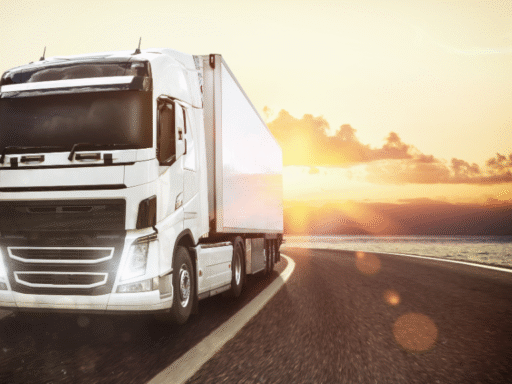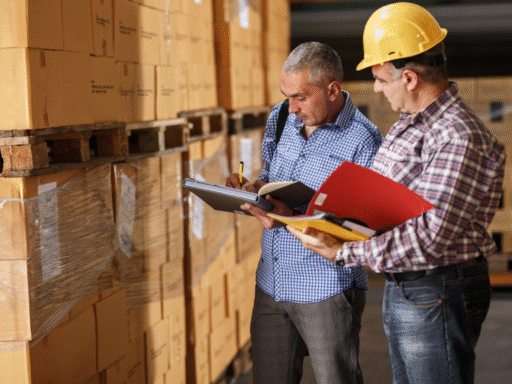

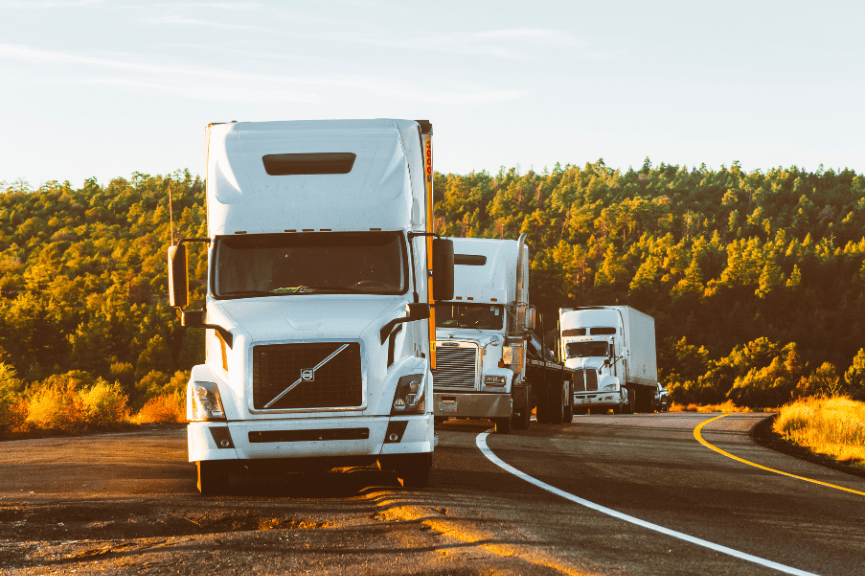
One of the most unmistakable testimonies to the changing face of commercial activity in India is the boom in commercial vehicles or CVs. You know this is so when goods carriers, delivery vans, and compact trucks appear to have taken over the streets in recent years. Commercial vehicles seem to be working all over, mini tempo delivering groceries in your neighborhoods to the land full of heavy trucks, crossing to industrial and industrial estates.
There is more than just an increase in the number of vehicles; it represents the larger movement toward modern and efficient logistics. Hence, the disruption of how commercial vehicles work is creating a new disruption in how commercial vehicles move goods across the country, from megacities to the remotest corners.
The E-Commerce Effect: Delivering Growth at Every Turn
Having had its flashes of growth in India in the last five years, the pandemic put it on course to unprecedented growth. Online shopping became the preferred modus operandi for essentials, groceries, furniture, and even electronics, with last-mile delivery becoming the heart of logistics. And, best believe it, commercial vehicles are at the center of this revolution.
Almost everyone in logistics, including aggregators and hyperlocal players, scrambled to beef up their fleets. There was an unprecedented demand for LCVs, mini-trucks, and electric delivery vans, especially in the Tier 2 and 3 cities. Companies like Amazon, Flipkart, and BigBasket are investing big time in dedicated CV fleets or working through 3PLs for better and faster delivery.
That trend is far from slowing down. As online retailers’ penetration in India is still climbing, the demand for fast, scalable, and most reliable delivery networks is forcing the CV industry to accelerate.
Green Shift: Electric and CNG Vehicles Are on the Rise
Diesel prices are hitting the roof, and environment-related concerns are motivating the logistics players to reconsider fuel options. What has come out in the open now is a paradigm shift toward e-CV carriers and CNG trucks.
There has been a route taken by the startups Euler Motors and Altigreen, along with the traditional players Tata and Mahindra, in putting their electric CVs into production, specifically targeted at urban logistics. These vehicles require lower operational costs and environmental pollution; furthermore, they come with certain superb government incentives. Giving a lot of thought into the delivery schedules, constantly battling against the clock in these intense, dense urban areas, EVs certainly stand out as an intelligent and sustainable choice.
Government initiatives like FAME II, state EV subsidies, and dedicated charging infrastructure plans bear another name on the green side of the door. Many operators in logistics have begun to lay a minimum electric or CNG-based guarantee on their fleets to meet ESG goals and cut down on their carbon footprints.
Policy Push: Gati Shakti, PLI Schemes, and Fleet Modernization
Policy is another major stimulant for the CV boom. This PM Gati Shakti initiative provides integrated development of infrastructure, improving road connectivity and removing bottlenecks, especially for freight corridors. This gives companies an impetus to grow their fleets and explore new trade routes and rural markets.
The scrappage policy pushes older pollution-causing vehicles off the roads and contributes to the incentives for fleet upgrading. Couple this with Production Linked Incentive schemes for the automotive sector, including battery manufacturing, and you have trucks for demand, especially for logistics.
Fleet operators are increasingly embracing technology and telematics along with GPS tracking, fuel optimization tools, and predictive maintenance software to keep operations lean and intelligent.
Smaller Players Are Gaining Ground Too
While large companies and organized 3PL providers are expanding their fleets, small fleet owners and regional operators are also riding this wave. Easy financing, digital freight platforms, and improved vehicle-data access have empowered local transporters to scale in operations.
Thus, app-based logistics networks and aggregator platforms connect these smaller players to high-volume clients. For example, a bunch of 5 trucks in a Tier 2 city could bid across states for jobs via these real-time apps and marketplaces that were almost impossible just a few years ago!
The Road Ahead: Smart, Clean, and Connected
The logistics sector is on the brink of a major evolution, with commercial vehicles being the very core. A digitally connected, green, and demand-driven logistics ecosystem is being evolved where fleet planning, vehicle maintenance, and delivery tracking will all be integrated.
In this boom of commercial vehicles, it is not just about the numbers; it is truly remaking logistics from the ground up. New logistics age CVs are facilitating e-commerce deliveries faster, supporting industrial growth, and reaching the neglected geography.
From Growth to Transformation
This boom is more than a market surge; it reflects India’s rising logistical maturity. And it’s opening doors across the spectrum for truck manufacturers, EV startups, driver training centers, tech platforms, and even digital logistics blogs and platforms like MoversVoice that spotlight verified, modern logistics players.
For those in the transport, relocation, or supply chain space, now is the time to rethink fleet strategy, invest in cleaner tech, and embrace digital tools. The road ahead is moving fast, and those who adapt early will drive the future of Indian logistics.