
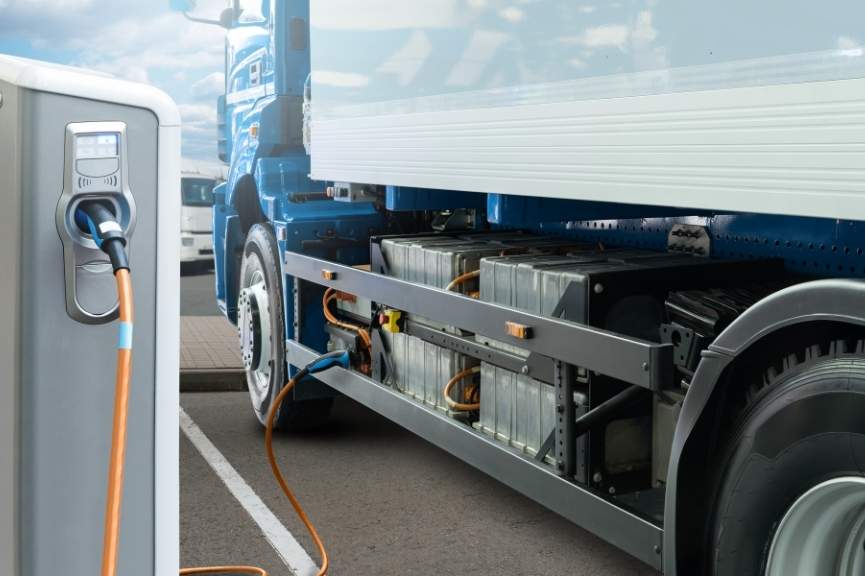
There is a major transformation beginning in the Indian freight sector. Diesel prices have gone up, pollution regulations are increasingly strict, and businesses are trying to meet their sustainability goals-that increases demand for BETs by carriers and manufacturers. Over the last two years, due to this evolution in their interest, product launches and commercial deliveries have been conducted beyond the pilot and prototype stage, which, conversely, implies electric trucks in shaping freight movement across cities and regions in India.
Manufacturers are moving fast
An array of major heavy truck manufacturers and EV specialists in India now includes electric commercial vehicles in their portfolios, while others are developing and testing the vehicles. Tata Motors presented several electric commercial vehicles at Auto Expo 2025, ranging from light mini-trucks up to heavier commercial platforms, showcasing a very strong product roadmap for freight electrification. Meanwhile, Ashok Leyland has been providing fleets with electric trucks while continuing to develop heavier battery platforms for stroke and heavy applications. Heavy commercial vehicle brands like Eicher have forayed into the space with purpose-built electric vehicle models for last-mile and short-haul logistics operations, increasing OEM interest and demand in electrification.
The on-the-ground implications are important: Buyers have now factory-built versions of electric trucks, warranty support, service networks, and OEM financing offers to lessen adoption risk for fleet operators-not just conversions.
Policy support is helping with adoption
Government programmes have been central to giving a kick-start to EV markets in India. The FAME (Faster Adoption and Manufacturing of Electric Vehicles) programme and its other schemes, historically, have supported e-buses, e-three-wheelers, and some commercial segments; more recently, central programmes for the year 2024-25 were announced for e-trucks, charging stations, and testing and upgradation of certification agencies under PM-E-DRIVE and design incentives. These policies try to generate demand signals and help with the building of infrastructure.
The AFVs were first introduced into the Indian market through governmental promotion, and the suite of government conceived a suite of assistance to push the industry from the initial stages. Historically, FAME and related schemes have had basically a support role for e-buses, e-three-wheelers, and some commercial vehicle segments; in recent times, Central Programmes for 2024-25 have been announced for e-trucks, charging stations, and the testing/upgradation of certification agencies under PM-E-DRIVE and allied incentives. They create demand signals and also help set up the supporting infrastructure.
In addition, industrial incentives such as the PLI (Production Linked Incentive) programme for automotive components encourage local battery and component manufacturing, a vital part of lowering vehicle costs over time.
The economics: total cost of ownership is improving
A major question for fleet owners is simple: Will electric trucks save money? Several recent studies show that while electric trucks currently cost more upfront than diesel models, operating savings (lower energy costs per km, reduced maintenance) can make BETs competitive on a total-cost-of-ownership (TCO) basis, especially for vehicles that run predictable routes and high daily kilometers. The International Council on Clean Transportation (ICCT) and related research indicate that, depending on vehicle class and utilization, electric trucks are approaching parity on some urban and regional use cases. As battery costs fall and local manufacturing scales, TCO looks increasingly attractive.
For many operators, the winning use cases today are last-mile delivery, urban distribution, and short-haul hub-to-hub runs where vehicles can return to depots for overnight charging.
Charging infrastructure is the critical enabler
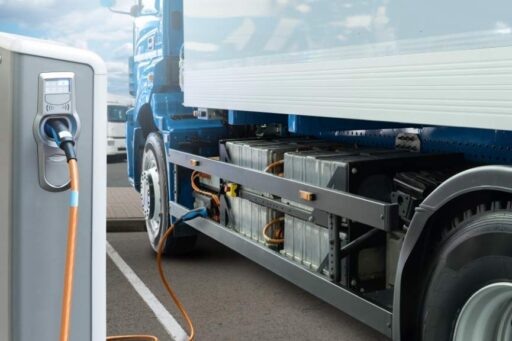
Charging infrastructure forms an important part of electric truck discussions. Medium- and heavy-duty trucks may require depot chargers; for longer intercity routes, though, high-power highway chargers will almost certainly be needed. According to recent infrastructure studies for India, depot charging for high-utilization fleets appears to be the most cost-effective solution in the near term; highway charging networks will, however, come into play in scaling the use of heavy-duty BEVs by 2030. Expanding public and private charging deployments is happening with a joint effort of the governments and private players, but their pace and geographic spread will have to pick up to keep up with national fleet decay and growth targets. Strategic placement of chargers at logistics parks, industrial clusters, and major transshipment nodes will be crucial.
Fleet operators should therefore plan vehicle use around available charging; many early adopters rely on overnight depot charging rather than public fast chargers.
Real pilots and early fleet adopters
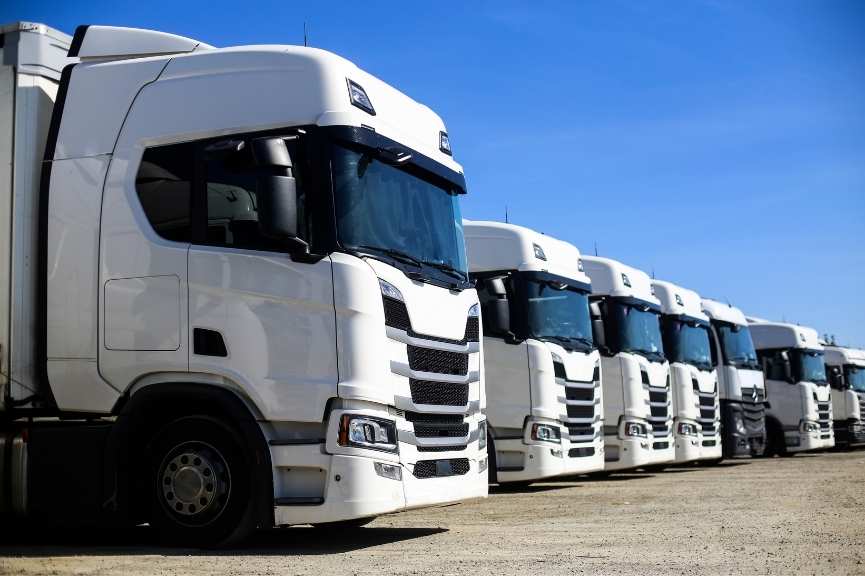
The technology is being tested in pilot operations and limited commercial fleets. Both OEMs and operator pilots ensure electric trucks work reliably on urban and regional assignments, with advantages of being quieter, less polluted locally, and more drivable. Some fleets also state that electric trucks demand lower maintenance on a day-to-day basis, offering more driver comfort. These pilots help the OEMs improve battery thermal management, charging protocols, and vehicle telematics to suit Indian conditions with regard to temperature, payload, and road conditions.
Challenges that remain
Despite strong momentum, challenges persist:
High upfront price: BETs still cost significantly more than equivalent diesel models, even though incentives and financing can reduce the burden.
Range and payload trade-offs: Batteries add weight, which can reduce payload capacity unless vehicle design compensates. This is a key factor for long-haul operators.
Charging network gaps: Public high-power chargers on highways are still limited; depot charging is the near-term answer, but it needs reliable grid upgrades.
Standardization and interoperability: Fleet scaling benefits from common charging standards, high-power connectors, and roaming agreements among charge-point operators.
Financing and total fleet transition: Small owner-operators need tailored finance products, trade-in programs, and phased replacement incentives to upgrade without losing livelihood.
Addressing these gaps requires coordinated OEM, fleet, energy company, and government action.
What logistics companies and fleet owners should consider now
If you operate a fleet or are considering electrification, practical steps include:
Start with route selection: Identify high-utilization, predictable routes (last-mile, intercity box runs) as pilot candidates.
Assess depot readiness: Evaluate power availability, space for chargers, and options for peak-load management.
Explore OEM and financing packages: Government incentives combined with OEM support can improve payback timelines.
Plan for telematics and TCO monitoring: Track energy use, downtime, and maintenance to validate TCO assumptions.
Partner for charging: Work with charge-point operators or energy companies to secure depot charging plans and future access to highway chargers.
The outlook: gradual scale, starting with urban and regional freight
Dieslectric trucks will hardly replace diesels overnight. The evidence suggests that a gradual adoption is possible and beneficial. We should witness a fast adoption taking place in urban logistics, corona/frozen food distribution, and scheduled intercity routes supported by depot charging. With a drop in battery costs, widenings in charging networks, and increased local scale of manufacturing (supported by policy), heavier and longer-range electric trucks will find their place in any further freight operation.
India’s mix of strong OEM capability, growing policy support, early pilot success, and pressing environmental goals means that electric trucks are not just an environmental promise; they are becoming a business reality for freight transport. The next few years will decide how fast fleets scale, but the direction is clear: electric freight is the next big thing in India’s transport story.
Selected sources and further reading
Tata Motors showcases its electric commercial vehicle lineup at the Auto Expo 2025.
Ashok Leyland deliveries and electric truck developments.
Eicher Pro 2055 EV product details.
Latest government schemes supporting e-heavy vehicles (PM-E-DRIVE / FAME and related notifications).
ICCT research on TCO and the economics of electric heavy-duty trucks.