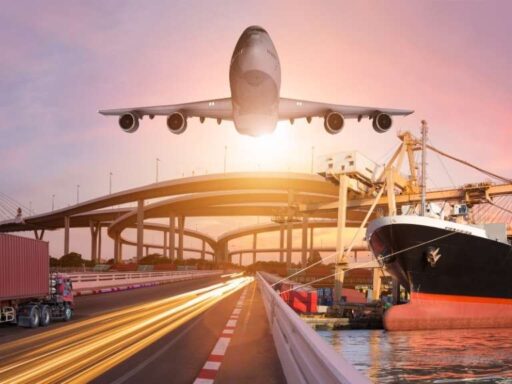

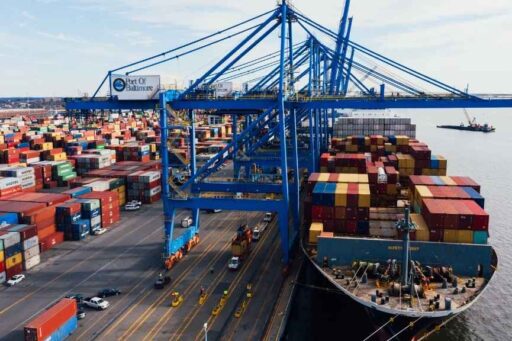
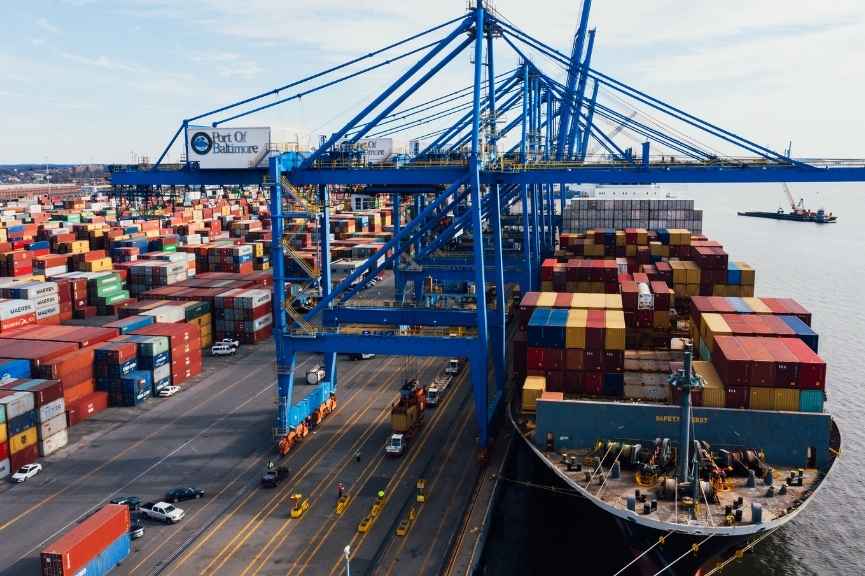
India has a long coastline stretching over 7,500 kilometers, making ports the backbone of its international trade. Almost 90% of the country’s trade by volume and about 70% by value goes through maritime routes. But laden with outdated port infrastructure, slow cargo-handling capacities, and high logistics costs, these have been perennial bottlenecks in its path. Harboring the lust for recent reforms, the country began the port modernization process so that efficiency can be raised, costs lowered, and competitiveness improved for global trade.
Current Scenario of Indian Ports
Either argued by eminent scholars or treated as one of the basic premises in deciding economic activity in India, for example, low capacity utilization of power or transport, low length of road network to a surfaced area, shall stand as truth in the period of analysis. In India, it has always been felt that continuous insufficient development of infrastructure is the major bottleneck preventing faster industrial development. Some consider delayed implementation and ineffectiveness, especially in the road sector, more culpable than the structure itself. However, a large portion of this infrastructure deficit is conspicuous in Indian ports, which to date have failed to evolve into competent service providers.
India has 12 major ports and over 200 non-major ones. While some suffer chronic underutilization and congestion with outdated mechanisms of handling and turnaround times that often outstrip, often unfavorably in the times of world standards, others continue to remain. While the ports of Mundra, JNPT, and Chennai keep getting better domestically, the port service in India, since historical times, has always lagged behind the ports of Singapore, Shanghai, and Rotterdam. It is this gap that has cast an urgent need for modernization.
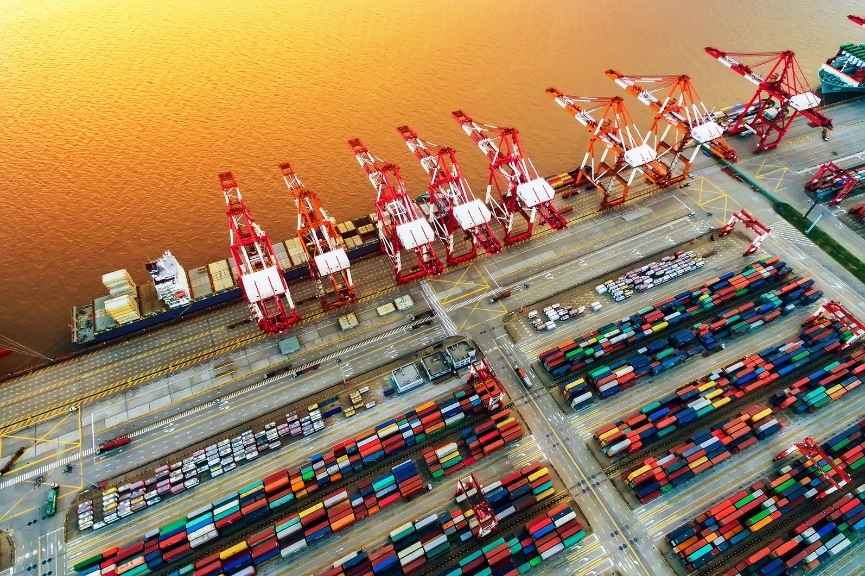
Modernization Efforts in Indian Ports
Sagarmala Project
As the focal point of the Port-Led Development Programme of India, the flagship project, Sagarmala, aims to reduce the logistics cost of Indian enterprises through modernizing the ports, building new ports, and inland waterways development. Industries are also connected to the ports for effective supply chain operations.
Digitization and Smart Ports
There is a growing trend at Indian ports to build on smart technology using blockchain for transparent contracts, cargo tracking through IoT, and AI for logistics management. Automation of cargo handling systems in ports has shortened ship turnaround times, thereby improving competitiveness.
Go Green and Sustainable Ports
With the rising global consciousness on sustainability, Indian ports started adopting renewable sources of energy, shore power facilities for vessels, and a green waste management system. The green initiatives have grown hugely with the “Green Port” scheme under Sagarmala to reduce the carbon footprint.
Economic Impact of Port Modernization
Port modernization is not just about faster shipping; it directly impacts India’s economy. Efficient ports:
Lower logistics costs, which currently account for nearly 13-14% of India’s GDP, compared to 8-9% in developed nations.
Boost exports and imports by reducing delays and inefficiencies.
Enhance supply chain reliability, benefiting industries like manufacturing, agriculture, and e-commerce.
Global Trade Competitiveness
Modern ports help India compete with global trade giants. Countries like Singapore and China have leveraged world-class ports to dominate international shipping. With modernized ports, India can attract larger vessels, improve cargo throughput, and strengthen its position as a South Asian logistics hub.
Challenges in Port Modernization
Despite progress, challenges remain:
Funding and investments are often delayed due to high costs.
Land acquisition and environmental clearances slow down projects.
Skill gaps in managing smart port technology need urgent attention.
It looks like Indian ports offer a big potential, with PPP at the helm for investments and operational efficiency. With huge projects like Vizhinjam International Seaport in Kerala and several deep-water ports anticipated under Sagarmala, India would increase its maritime capacity. Further modernization is expected from collaboration with world leaders in port management.
Port modernization in India is no longer an option; therefore, being a $5 trillion economy is a matter of choice. It would be an effective tool in logistics cost reduction and volume increase by infrastructural modernization, digitalization, and sustainable port development, preparing India to strengthen its position in global supply chains. The world economy will observe keenly how well India, with this strategy, negotiates its position.