

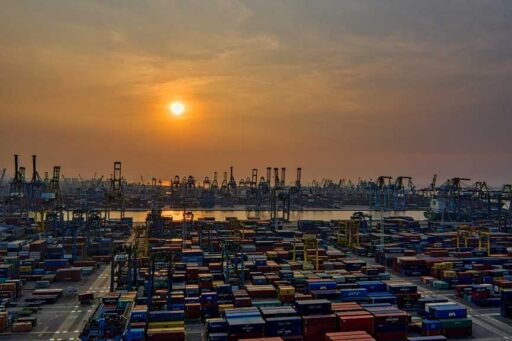
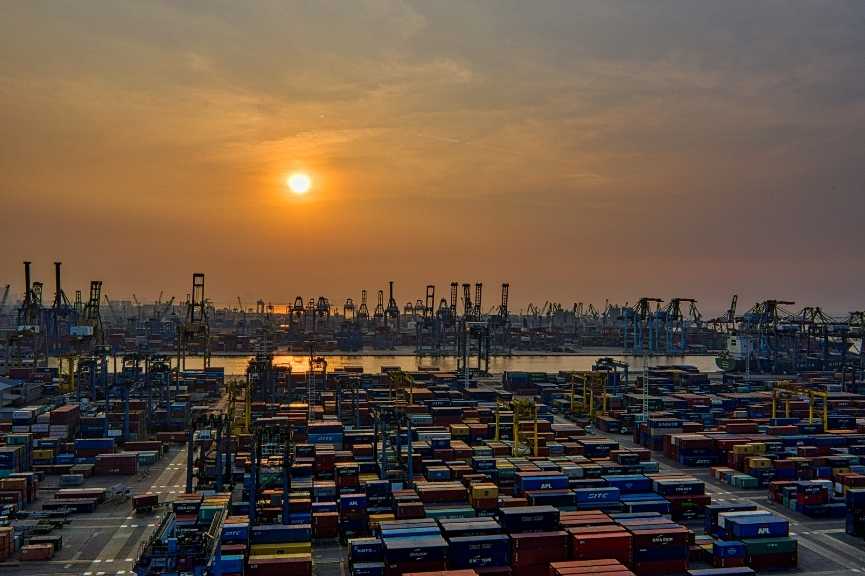
Logistics is frequently called the backbone of any economy, and it is, indeed, even more important in India. With development trends accelerating urbanization and consumer demand rising in proportion, logistics has faced constant pressure in India. There were ever-present delays, poor infrastructure, high prices adhered to, and shoddy, transparent contracts for the nation. But, in any case, technology is here to tell a tale: in that way, starting with warehousing at one point and going through transportation and delivery, the logistical operations in India have changed.
Digital Transformation in Logistics
The digitalization witnessed over the years has greatly remodeled the planning and execution of logistics services. Advanced technologies constitute AI, IoT, blockchain, and big data analytics, forming an interesting mix that finds its way into day-to-day functioning. AI contributes to demand forecasting and delivery optimization through predictive analysis. IoT-enabled devices include smart sensors, which help companies to have real-time visibility of their shipments and thus minimize losses and delays. Blockchain is employed in signed contracts and transactions, providing an unalterable digital record for transparency, which assists immensely in international trading.
E-commerce and Automation
With Flipkart, Amazon, and Meesho rising to prominence in e-commerce, consumer expectations have changed-quick, reliable, and trackable deliveries are now the lowest of their demands. Logistics providers thus began the process of automating warehouses with robotics. Automated sorting, robotic picking, and AI-driven inventory management speed up the entire order fulfillment process and also reduce human errors. Cloud logistics platforms also enable warehouses to coordinate seamlessly with delivery agents and customers to manage even high volumes of orders.
Smart Fleet Management
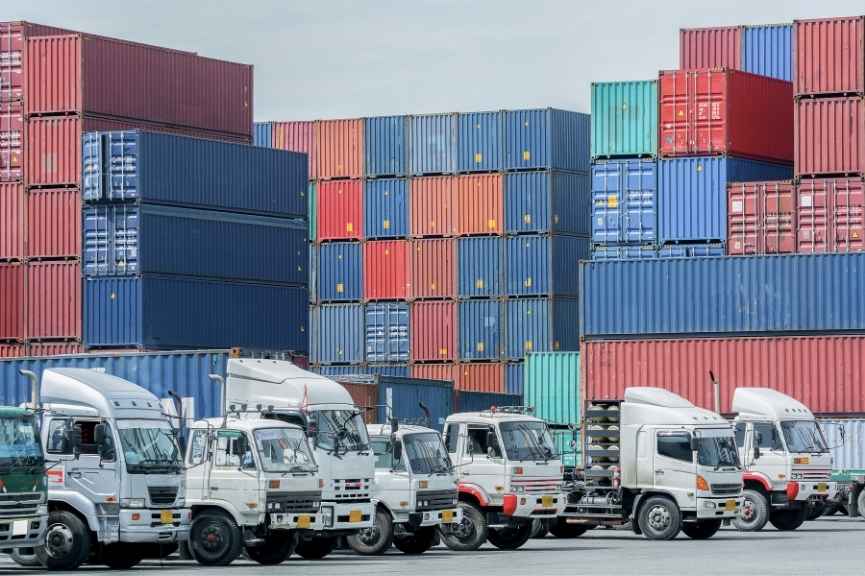
Once, fleet operations relied on manual logs and human intuition. It is now considered the best visibility and control provided by smart fleet management systems aided by GPS, telematics, and real-time tracking. Logistics companies can now monitor speed, fuel consumption, driver behavior, and other matters to promote efficiency and safety. For example, Mahindra Logistics and Rivigo use telematics solutions to maximize utilization and minimize idle time for trucks; this, in turn, results in faster deliveries and cheaper operational costs.
Government Push for Digital Logistics
Logistics has seen major ace interventions of the Government of India in driving the entire commitment of digitalization into it. Phases such as the Digital India, Gati Shakti National Master Plan, and e-way bills have simplified processes, eliminating red tape. Particularly, the Gati Shakti card is an integrated multimodal transport platform that allows companies to plan faster and more cost-efficient routes. With all these policies, the Government of India is working toward making the logistics systems transparent, efficient, and future-oriented.
Startups and Innovation
The Indian startup ecosystem is a visually diverse setting that is facilitating innovation in the logistics sector. Some startups like Delhivery, BlackBuck, Shadowfax, and Porter are providing smarter logistics services with the use of mobile apps, artificial intelligence, and big data. For instance, BlackBuck digitizes trucking operations and connects truck owners with shippers through its tech-oriented platform. Shadowfax expedites hyperlocal deliveries through AI algorithms for crowdsourced delivery models. These startups go further than disruption, creating scalable solutions tailored to the specific problems facing India.
Sustainability Through Technology
Another technological impact is the movement toward greener logistics. EVs find applications in last-mile delivery for BluSmart and Ecom Express to reduce carbon emissions. Route planning helps reduce fuel wastage by giving directions with the shortest and most efficient paths through AI. Solar-powered warehousing systems having smart sensors are being encouraged for usage, thereby aligning logistics in India with sustainability goals.
The Indian logistics industry cannot see technology as an option anymore. The industry has been completely transformed by and through smart warehousing, AI route optimization, digital initiatives by the government, and the implementation of EVs. These innovations are cutting prices and increasing efficiency while enabling India to compete in the world supply chain.
If there is one thing sure to be true going forward in the evolution of logistics, it is that technology will guarantee India’s ascent into being a global logistics hub.