
For a brief period, it looked like job-linked relocation was fading away. Remote work has reduced the need for people to relocate for jobs. Many professionals settled down, assuming that work-from-anywhere was here to stay forever.
But as we move closer to 2026, the picture is changing again.
Hybrid work has become the new normal- not fully remote, not fully office-based. And this shift is quietly bringing job-linked relocation back into focus across India.
How Hybrid Work Has Changed Employer Expectations
Most companies today are no longer offering permanent work-from-home roles. Instead, they are adopting hybrid models where employees are expected to work from the office a few days each week.
To make this practical, companies are reorganising their operations. Instead of running everything from one metro city, they are creating regional offices, satellite hubs, and city clusters. Employees are now being encouraged- or sometimes required- to relocate closer to these operational centres.
This means location is becoming important again, even in a hybrid world.
Why Job-Linked Relocation Is Making a Comeback
Hybrid work has created a middle ground. Employees still value flexibility, but companies are seeking stronger in-person collaboration, improved team coordination, and tighter control over operations.
As a result, many organisations are linking career growth, promotions, and long-term roles to physical presence in specific cities. Employees who want to move ahead in their careers are increasingly open to relocating again.
This is especially visible in sectors like IT services, fintech, consulting, logistics, manufacturing, and corporate sales, where teams are spread across multiple regions.
Regional Hubs Are Replacing Single-Metro Careers
Earlier, moving to cities like Bengaluru, Mumbai, or Delhi NCR was almost mandatory for career growth. In 2026, that thinking is changing.
Companies are expanding in Tier 2 cities such as Indore, Kochi, Coimbatore, Jaipur, Chandigarh, Lucknow, and Bhubaneswar. These cities offer lower operating costs, better employee retention, and improved infrastructure.
For employees, relocating to these cities often means lower rent, shorter commute times, and a better quality of life. This makes job-linked relocation feel less disruptive and more attractive.
Families Are Planning Relocation More Strategically
Unlike earlier times, today’s relocation decisions are more planned and thoughtful.
Employees are considering school availability, healthcare, housing affordability, and lifestyle before moving. Hybrid work allows one working partner to stay flexible while the other relocates for career growth.
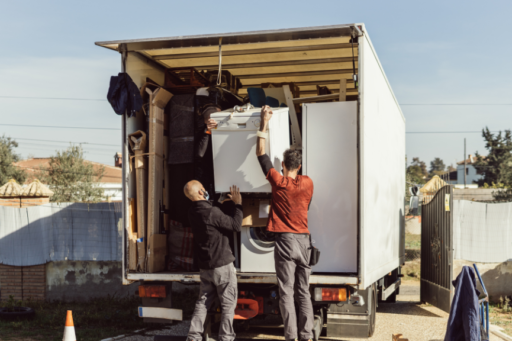
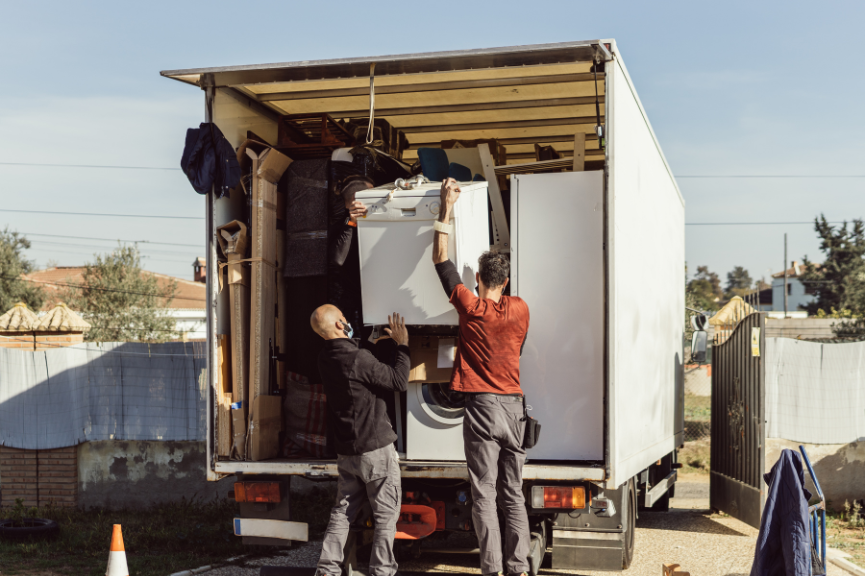
This has increased demand for structured, stress-free relocation services, where movers handle everything professionally and transparently.

What This Means for the Relocation Industry
For packers and movers, the return of job-linked relocation is a significant opportunity.
Corporate-driven relocations tend to be more organised, higher-value, and recurring. Unlike one-time personal moves, job-linked relocations often involve employee transfers, office moves, and long-term storage requirements.
Relocation companies that understand corporate expectations-timelines, documentation, safety, and accountability, will see strong demand in 2026.
Growing Demand for Corporate Relocation Services
As job-linked moves increase, companies will look for reliable relocation partners who can support their workforce.
This includes services such as home shifting, vehicle transportation, temporary storage, and sometimes even relocation support for families. Speed, reliability, and compliance will matter more than ever.
Movers who can standardise processes and deliver consistent quality across cities will stand out.
Technology Will Play a Bigger Role in Relocation
Hybrid work has made employees more digital-savvy, and they expect the same from service providers.
Real-time tracking, digital documentation, clear pricing, and regular communication are no longer optional. Movers who adopt basic digital tools will find it easier to win corporate and professional customers.
Technology also helps relocation companies manage higher volumes without increasing manpower costs.
How Movers Can Prepare for 2026
To benefit from the rise in job-linked relocation, movers need to prepare now.
Building inter-city networks and partnerships will be essential. Focusing on popular relocation corridors between metros and Tier 2 cities can help optimise fleet usage.
Offering flexible relocation packages designed for employees-rather than only families, will also help. Many professionals look for quick, efficient moves rather than full household shifting.
Training staff to handle corporate clients professionally will further improve trust and repeat business.
A More Mobile Workforce Is Emerging Again
Hybrid work has not reduced relocation-it has reshaped it.
Employees are moving again, but with clearer goals and better planning. Relocation is becoming a strategic decision linked to career growth rather than a forced disruption.
By 2026, job-linked relocation will once again be a key part of India’s employment ecosystem.
Hybrid Work Is Reviving Relocation, Not Replacing It
The hybrid work era is not about staying in one place forever. It is about flexibility with purpose.
As companies redefine where work happens, employees will continue to relocate to align with opportunity, growth, and stability. This makes job-linked relocation a growing reality once again.
For the relocation industry, this shift signals a strong, sustainable demand cycle. Movers who adapt to corporate needs, embrace technology, and deliver reliable services will thrive in the hybrid work future.