
There is a quiet but powerful transformation happening in the logistics space across India. Faster deliveries, tighter timelines, and rising customer expectations are pushing the growth of express logistics like never before. Industry forecasts suggest that the express logistics market could double by 2030, driven by e-commerce, urbanisation, and a rapidly digitising economy.
While this growth story is often discussed in the context of courier companies and online shopping, it carries an important message for the relocation sector as well. The way goods move across the country is changing, and that shift is beginning to influence how people expect their homes, offices, and belongings to be moved, too.
For relocation firms, this is not just a trend to watch. It’s a moment of opportunity.
The Rise of Speed-First Logistics
A decade ago, delivery timelines were measured in days. Today, they are measured in hours.
Express Logistics has grown because customers now expect speed, accuracy, and real-time updates. Same-day delivery, next-day fulfilment, and time-bound shipping are no longer premium services; they are becoming the standard.
This shift is being fuelled by:
- Rapid growth of e-commerce
- Expansion of urban consumption hubs
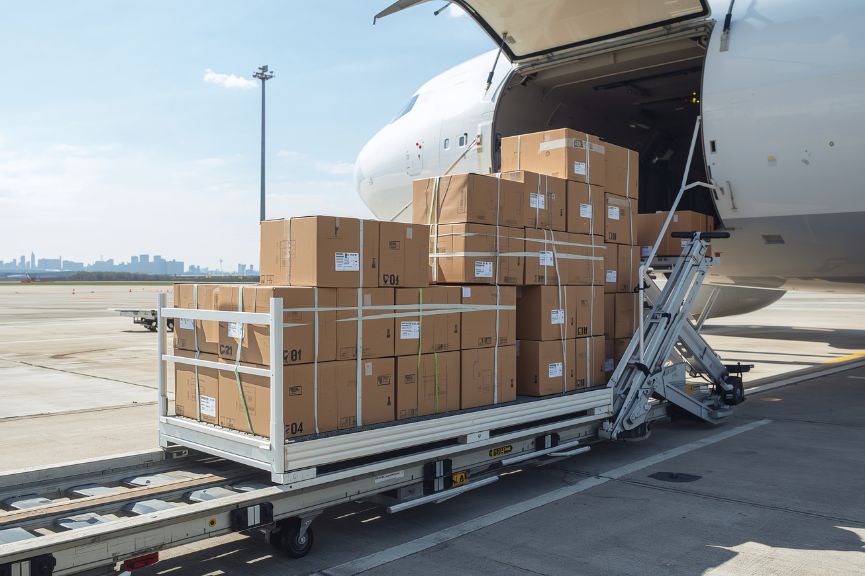
- Better highways and freight corridors
- Technology-driven route optimisation
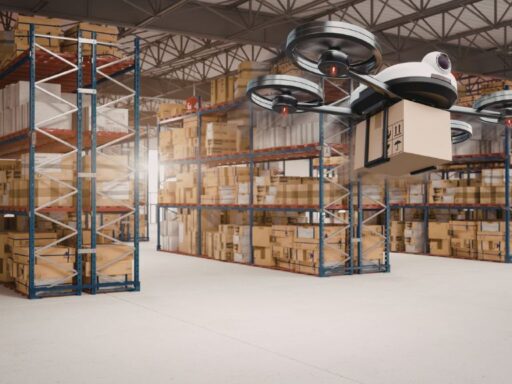
- Warehousing closer to customers
As logistics networks get faster, more integrated, and more efficient, the ripple effect is reaching the relocation industry.
Because once people get used to speed in deliveries, they begin expecting speed in everything, including moving homes.
What Express Logistics Growth Means for the Moving Industry
At first glance, parcel delivery and relocation may seem like two very different businesses. But they share the same backbone: transport networks, last-mile connectivity, and timing precision.
As express logistics expands, relocation firms stand to benefit in several ways.
Faster highways and better route connectivity mean quicker intercity moves. Improved warehousing infrastructure makes temporary storage easier. Technology used in courier logistics is also influencing expectations for tracking and updates in relocation services.
In simple terms, the entire logistics ecosystem is becoming faster, and movers are part of that system.
Customers Now Expect “Express-Style” Moving
Today’s customers are shaped by the services they use daily.
If a phone can arrive in 24 hours, they start wondering why moving household items should take a week.
This mindset is creating new expectations, such as:
- Faster packing and dispatch timelines
- Accurate delivery commitments
- Live tracking of consignments
- Predictable scheduling
This doesn’t mean every move must become an overnight operation. But it does mean that reliability, speed, and communication are becoming central to customer satisfaction.
Relocation firms that adapt to this “express mindset” will stand out.
Infrastructure Growth Is a Big Advantage
One of the biggest drivers behind the expected growth of express logistics is infrastructure expansion.
New highways, freight corridors, and logistics parks are reducing transit time across major routes. Cities that once felt far apart are now connected more efficiently.
For relocation companies, this translates into:
- Reduced travel time between cities
- Lower fuel consumption
- More predictable delivery schedules
- Ability to take more assignments per month
This infrastructure push could quietly improve profitability for movers over time.
The Rise of Tier-2 and Tier-3 City Movements
Express logistics growth is not limited to metro cities anymore. Smaller cities are becoming major consumption and employment hubs.
As jobs, startups, and industries spread beyond big metros, people are relocating more frequently between mid-sized cities.
This creates new demand patterns such as:
- Short-distance intercity moves
- Faster relocations for job changes
- Increased demand for partial shifting services
For movers, this means the market is expanding geographically. New routes that were once low-demand may soon become high-frequency corridors.
Opportunity to Introduce Express Relocation Services
As logistics becomes faster, relocation companies have the chance to rethink service models.
Some possibilities include:
- Priority moving packages with faster delivery timelines
- Assured delivery windows
- Premium services for urgent job relocations
- Faster office shifting for businesses
Not every customer will need express relocation. But for corporate employees, urgent transfers, and time-bound projects, speed can become a key selling point.
And where there is urgency, customers are often willing to pay a little more.
Technology is the Bridge Between Logistics and relocation.
The express logistics industry relies heavily on technology, route optimisation, real-time tracking, and automated scheduling.
These tools are slowly becoming essential in the relocation sector as well.
Customers now feel reassured when they can:
- Track their goods
- Receive delivery updates
- Know expected arrival times
This is no longer a luxury feature. It’s becoming part of the standard service experience.
Firms that invest in tech-driven operations will be better aligned with the direction the logistics industry is heading.
Stronger B2B Opportunities for Movers
As express logistics expands, businesses are moving goods more frequently across cities. This also increases the need for office relocations, warehouse shifts, and employee transfers.
Relocation companies can benefit from:
- Corporate relocation contracts
- Office setup and shifting services
- Storage and transit support
In a growing logistics economy, business mobility increases, creating consistent demand for professional moving services.
Competition Will Also Increase
While growth brings opportunity, it also brings competition.
As the logistics sector becomes more organised and tech-driven, new players may enter the relocation space. Larger logistics companies may explore household or office shifting services as an extension of their operations.
This means traditional movers will need to:
- Improve efficiency
- Adopt technology
- Focus on service quality
- Build stronger brand trust
Those who evolve with the market will find it easier to stay relevant.
The Long-Term View: A Faster, More Connected Future
If the express logistics market truly doubles by 2030, it will reshape how goods, services, and even people move across the country.
For relocation firms, this growth is not separate from their industry. It is part of the same transformation.
Faster logistics networks mean:
- Shorter delivery timelines
- Better cost management
- Expanded service areas
- New business models
In many ways, the future of relocation is closely tied to the future of logistics.
The expected growth of express logistics in India is more than just an industry milestone. It signals a shift toward speed, efficiency, and customer-centric services across the entire transport ecosystem.
For relocation companies, this is a moment to rethink strategy.
The companies that adapt to faster operations, integrate technology, and align with evolving customer expectations will be the ones that grow alongside this logistics boom.
Because in the coming years, moving homes may start to feel a lot like express delivery, quicker, more transparent, and far more efficient than ever before.