
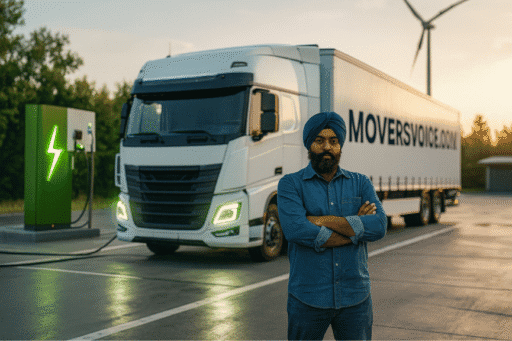
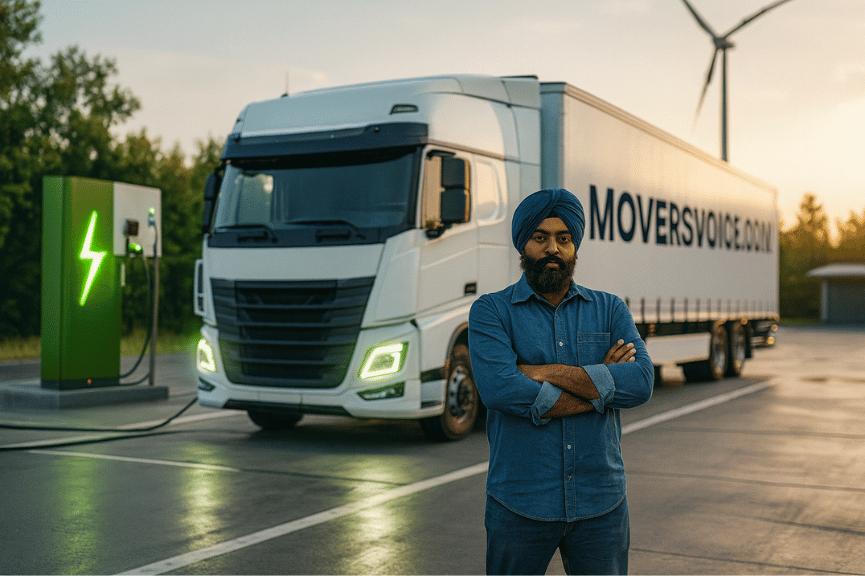
New Delhi, India: In an ambitious drive to reshape the nation’s logistics and relocation industry, the Indian government has rolled out a series of policies and incentives aimed at cutting emissions, lowering operational costs, and fast-tracking sustainable practices for packers, movers, and transport companies aiming the Green Moving Revolution. This policy momentum is part of India’s push toward a net-zero future and a cleaner economic growth model, echoing similar transformations in major logistics markets around the world.
At the heart of this green transformation is the PM E-DRIVE electric truck incentive scheme, which provides direct funding of up to ₹9.6 lakh per vehicle for electric trucks in the N2 and N3 categories, essential for heavy-duty relocations and freight. The government has allocated support for 5,600 e-trucks, including 1,100 in Delhi, a city where pollution levels have long crossed safe limits. Old and polluting diesel trucks must be scrapped to qualify for the new scheme, forcing the industry toward cleaner standards. Industrial giants such as the Steel Authority of India Limited (SAIL) have already announced plans to adopt electric fleets, with 15 percent of their hired vehicles expected to go electric within two years.
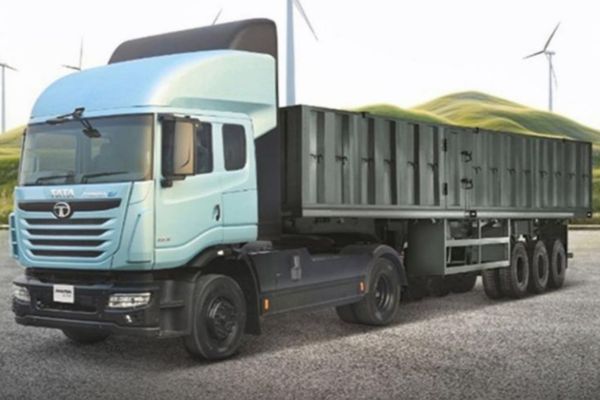
Manufacturers like Tata Motors, Ashok Leyland, and Volvo Eicher have intensified domestic electric truck production, aligning sustainability with the government’s “Atmanirbhar Bharat” initiative. The move offers both cost and environmental advantages for logistics and relocation firms looking to modernize. Yet, smaller operators say the green revolution feels distant from their daily realities.
Subhash Pal, a transporter based in Delhi’s Okhla area, shared a concern common among small operators: “These incentives look great on paper, but how do we get the money? We don’t have the capital to buy new e-trucks, and banks don’t consider our business reliable. Charging stations are far apart, and many of them are designed for cars, not heavy vehicles like ours.”
His frustration reflects a wider problem across the small and medium transport sector, which accounts for nearly 80 percent of India’s relocation and trucking operations. For these firms, sustainability often takes a back seat to survival. While the government’s National Logistics Policy (NLP) provides tax relief, green warehousing subsidies, and concessional loans through institutions like SIDBI, access to financing remains uneven. Complex paperwork, delayed reimbursements, and lack of information prevent small entrepreneurs from benefitting fully.
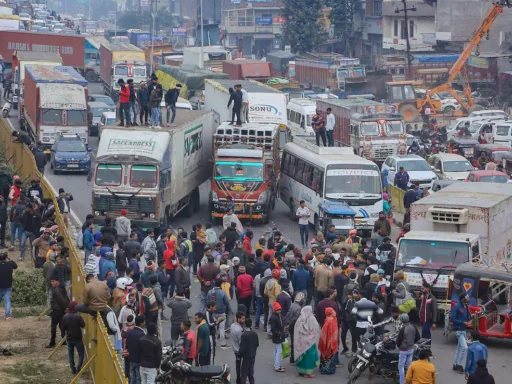
Even as electric trucks begin rolling out, a less discussed but critical issue persists, the plight of drivers. India’s transport and relocation sector supports more than 13 million drivers, many of whom work long hours on poor roads with little access to safe rest facilities. While new expressways promise modern amenities, the reality remains bleak. Restrooms, clean water, and secure rest areas are scarce along major national highways, including green mobility corridors. Drivers often have no choice but to rest in their vehicles at roadside stops without basic facilities.
“The talk about sustainability is welcome, but no one talks about us,” said Ritesh Sharma, a packers and movers operator from Jaipur. “Drivers are human beings. They need restrooms, food stalls, and safe places to park. Even the new EV charging stations are built without considering their comfort. If we want green relocation to succeed, we must think about the people who keep the wheels moving.”
The infrastructure gap is indeed glaring. Most EV charging points are concentrated around metros, while relocation routes often cross smaller towns and state highways. A fully charged electric truck may cover 200 to 250 kilometers, forcing drivers to plan long detours for recharging. For relocation companies, this means longer travel times, uncertain delivery schedules, and added operational costs. Industry analysts warn that without widespread heavy-vehicle charging facilities, the EV adoption rate will remain slow.
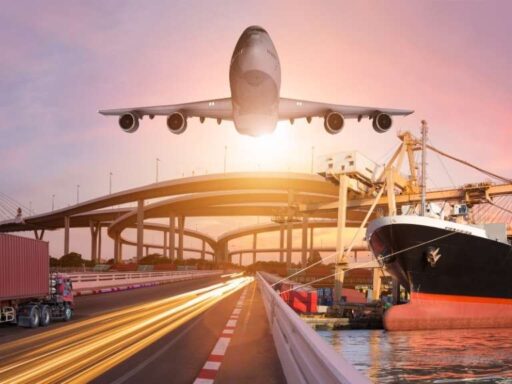
Government reforms under the National Logistics Policy have also encouraged multimodal transport, promoting rail and waterways to reduce emissions. Shifting long-haul freight from roads to rail could lower emissions by up to 80 percent and cut fuel use substantially. Yet, relocation firms say such transitions require coordination, technology, and infrastructure that are still evolving.
Rakesh Mishra, Director of Strategic Partnerships at SESR (Social and Economic Sustainability Research Foundation), believes India’s green logistics transition must prioritize inclusivity. “True sustainability is not only about electric vehicles or cleaner fuels. It is about ensuring that every stakeholder—from truck manufacturers to small movers and the drivers on the ground—benefits from the change. The Green Moving Revolution must mean cleaner air and better livelihoods. Otherwise, it is progress without purpose,” he said.
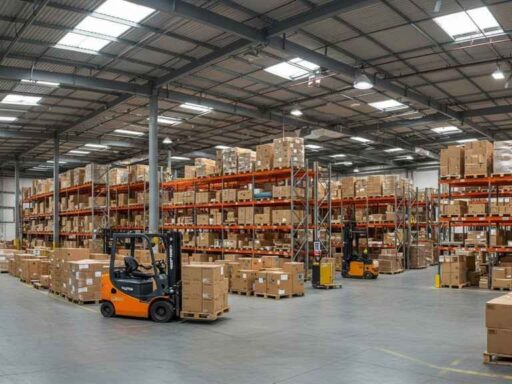
Despite these challenges, the shift toward green logistics is gathering momentum. With states like Uttar Pradesh, Delhi, Maharashtra, and Tamil Nadu introducing policies that provide tax cuts, warehouse relocation incentives, and subsidies for solar-powered facilities, the ecosystem is maturing. Developers are investing in energy-efficient buildings, water recycling, and renewable energy, with reports showing up to 25 percent operational savings and premium rental returns.
Public-private partnerships are also shaping the future of sustainability. The government aims to establish more than 1,700 LNG stations and 100,000 EV charging points by 2027. Domestic and global investors are pouring funds into EV manufacturing and green logistics startups, a trend expected to attract over $40 billion by 2030.
Yet, a fundamental question persists: Will this transition leave small transporters and drivers behind? As the policy frameworks expand, the gap between ambition and execution must close quickly. Financing must reach local operators, and rest facilities must match modern standards.
India’s relocation and logistics sector has the potential to become a model of sustainable growth, if it remembers that clean technology alone cannot deliver clean progress. The green moving revolution will succeed only when every transporter, driver, and mover finds a fair place on the road to sustainability.
Conclusion:
India’s logistics and relocation sector stands on the brink of a transformative shift. The government’s green initiatives, from electric truck incentives to sustainable warehousing, mark a powerful step toward a cleaner and more efficient future. Yet, for this revolution to be truly successful, it must reach beyond large corporations to empower small transporters, local movers, and the millions of drivers who keep the economy in motion.
Clean technology can drive progress, but true sustainability will emerge only when every stakeholder, big or small benefits equally. The Green Moving Revolution will fulfill its promise not when the roads are merely electric, but when they are inclusive, equitable, and built for all who travel them.