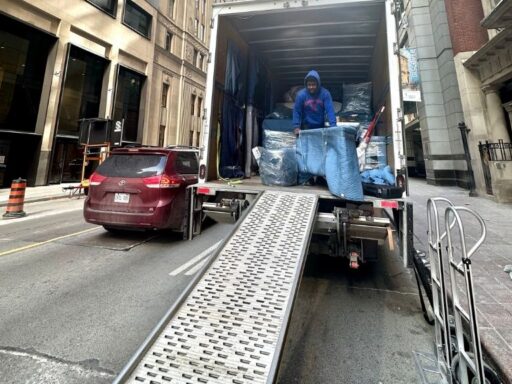

Every truck on the highway has a driver behind the wheel.
A person with a family.
A body that gets tired.
A mind that carries stress.
Yet for decades, the trucking industry has talked more about fuel, routes, and delivery times than about the humans who keep India moving.
In 2026, that is slowly changing.
The Silent Backbone of India’s Economy
India’s truck drivers move:
Food to cities
Goods to factories
Homes during relocation
Essential supplies during crises
But their lives often remain invisible.
Long hours, uncertain income, time away from family, and constant pressure have become “normal.”
The cost of this normalisation is now impossible to ignore.
Why Humanising Trucking Is Finally Gaining Attention
Three big realities are forcing change.
1. Driver Shortages Are Worsening
Younger workers are avoiding trucking.
Experienced drivers are quitting early.
One major reason?
The lifestyle is unsustainable.
2. Accidents Are Linked to Fatigue & Stress
Industry studies repeatedly show:
Long driving hours increase accidents
Mental exhaustion reduces reaction time
Stress affects judgment on the road
Safety and mental health are deeply connected.
3. Public Awareness Is Growing
After the pandemic, society began noticing:
Who keeps supply chains running
Who bears the highest personal cost
Drivers are no longer invisible to everyone.
Mental Health: The Untold Struggle on Indian Highways
Truck driving is lonely.
Drivers spend:
Days away from home
Nights in unfamiliar places
Weeks without emotional support
Many face anxiety, sleep issues, and depression, but rarely talk about them.
Why?
Mental health is still seen as a weakness in blue-collar work.
What Mental Health Support Can Look Like in 2026
Humanising trucking does not mean luxury.
It means dignity.
Here are practical shifts already beginning.
1. On-Call Counselling & Helplines
Some fleet operators are introducing:
Phone-based mental health support
Anonymous counselling access
Crisis helplines for drivers on long routes
Simple conversations can prevent breakdowns.
2. Peer Support Groups
Drivers trust other drivers.
Small initiatives now encourage:
Group check-ins
Peer mentoring
Sharing experiences without judgment
This builds community, not isolation.
Work Hours: Ending the Culture of Endless Driving
For years, longer hours were seen as efficiency.
In reality, they are dangerous.
What Needs to Change
In 2026, progressive fleets are moving toward:
Fixed maximum driving hours
Mandatory rest breaks
Digital tracking of fatigue levels
Not to punish drivers-but to protect them.
The Role of Technology
Digital logs now help ensure:
No driver is overworked
Routes allow proper rest
Delays don’t force unsafe driving
Technology becomes a shield, not a whip.
Support Systems Beyond the Road
Humanising trucking goes beyond driving hours.
1. Decent Rest Infrastructure
Drivers need:
Clean restrooms
Safe parking areas
Affordable food stops
Public-private partnerships are slowly addressing this gap.
2. Family Connectivity
Simple steps like:
Scheduled video call breaks
Predictable route planning
Home-time commitments
Help drivers stay emotionally connected to their families.
3. Health Check-Ups & Insurance
Many drivers neglect their health until it’s too late.
Progressive employers now offer:
Annual health screenings
Mental health coverage
Accident and life insurance
This builds long-term loyalty.
Why Movers & Relocation Companies Should Care
Relocation depends on trust.
A tired, stressed driver:
Makes mistakes
Damages goods
Risks safety
A supported driver:
Drives carefully
Handles goods responsibly
Represents the brand with pride
Humanised trucking improves service quality directly.
The Business Case for Compassion
Supporting drivers is not charity.
It is smart business.
Companies that invest in driver well-being see:
Lower attrition
Fewer accidents
Better delivery reliability
Stronger brand image
In 2026, ethical operations and profitability are no longer opposites.
What 2026 Should Stand For
Humanising trucking means recognising one truth:
Drivers are not assets.
They are people.
The future of logistics will not be built only with faster trucks or smarter software, but with healthier, respected drivers.
When the industry listens, supports, and protects its drivers, everyone benefits.
India’s roads carry more than goods.
They carry lives, dreams, and responsibilities.
In 2026, the most progressive logistics and relocation companies will be those that say:
“We move goods, but we care for the people who move them.”
That shift will define the future.