



Relocation is often a stressful process involving packing up belongings, arranging transportation, and adjusting to a new environment. For a disabled person, however, the stress is higher. Moving can quickly become distressing: From inaccessible buildings to transporting life-saving medical equipment for the client. Thus, accessible relocation services and inclusive innovations are transforming the moving services, offering respect, comfort, and independence to disabled individuals.
In this blog, we surveyed the means by which special assistance, assistive tools, and innovative moving techniques help make relocation processes more inclusive and easier.
Specialized Assistance in Relocation
Specialized assistance is a fundamental element of accessible moving. In contrast to standard movers, relocation providers in the disability support industry are aware of certain requirements:
Trained movers: Staff who know how to handle wheelchairs, hospital beds, and other mobility aids.
Caregiver coordination: Many companies allow family or professional caregivers to work alongside the movers to ensure comfort.
Customized Packing & Unpacking: Services adapted to ensure accessibility in the new home (e.g., arranging furniture for wheelchair mobility).
This kind of assistance ensures that the move is not just about shifting belongings, but about creating a safe and functional living space.
Adaptive Equipment & Technologies
Moving logistics require some very special arrangements for disabled individuals. Increasingly, companies are resorting to using adaptive equipment:
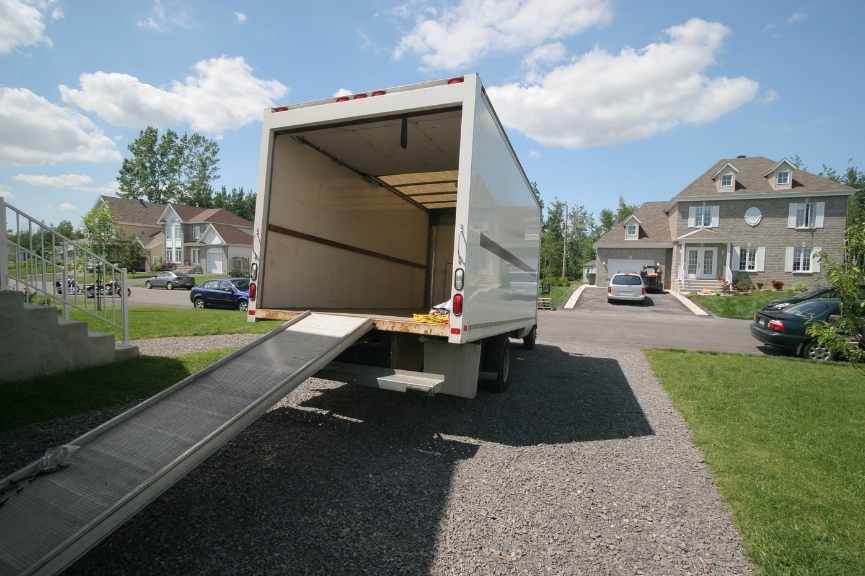
Portable ramps for wheelchairs and stair-climbing chairs to facilitate access during loading/unloading.
Custom-made crates and padding to move with maximum safety medical types of equipment, such as oxygen concentrators or electric beds.
AI-powered relocation applications, allowing clients to virtually plan any move with accessibility features counted on.
IoT tracking gadgets are used to keep track of the critical items along their pathway (medicine, assistive devices, etc.).
The implementation of these solutions greatly improves efficiency while lessening the stress load from families during transition.
Innovations in Inclusive Moving Services
A growing number of logistics companies are embracing inclusivity as a core service model. Many firms now:
- Offer disability-friendly moving packages tailored to specific needs.
- Partner with medical transport services to ensure safe relocation of critical healthcare equipment.
- Integrate universal design principles, ensuring that the unpacking process aligns with accessibility standards (e.g., positioning essentials within easy reach.
Globally, some companies are already branding themselves as “inclusive movers,” while in India, startups are beginning to explore this underserved market, showing that accessibility is not just a social responsibility but also a growing business opportunity.
Legal and Policy Support
A person with disabilities in the Indian system is a person with a range of impairments compatible with environmental relations, leading to a lack of opportunity and accessibility in respect of housing or mobility. The RPWD 2016 affirms equal opportunity and access to all services, including housing and mobility.
Such initiatives by the Government, like Sugamya Bharat Abhiyan or Accessible India Campaign, promote universal accessibility standards. While they do not touch on relocation issues as such, these policies compel all sectors toward inclusive service delivery. Elsewhere, the ADA is one of many laws that serve as an enforcement mechanism for providing an inclusive service model in logistics and housing.
In formations of family, knowing these rights sets the families apart to take relocation providers to task for accountability and for better service.
Practical Tips for Families & Individuals
Relocating with a disability is a full bunch of preparations. Below are some practical considerations to smooth the move:
Right Mover: Research moving companies about accessibility or with experience of disability-related relocations.
Make a checklist for medical supplies, adaptive devices, and anything needed for immediate accessibility.
Pre-Visit the New Place: Make sure that ramps, door widths, and accessible arrangements fulfill your requirements.
Have Important Medicine with You: Always keep important medicines and health documents during the moving process.
Define Needs to Mover: Be clear and upfront about your needs to the moving company well ahead of time to avoid last-minute concerns.
Moving with disabilities comes with challenges, but thanks to specialized assistance, adaptive equipment, and innovative services, the process is becoming more inclusive than ever before. The moving industry is slowly realizing that accessibility is not a niche requirement; it’s a necessity.
By choosing the right relocation partner and leveraging available tools, individuals with disabilities and their families can experience a move that is safe, dignified, and empowering.
As awareness grows, we can expect more companies to adopt accessibility-first approaches, ensuring that every relocation, regardless of physical ability, is smooth, respectful, and inclusive.