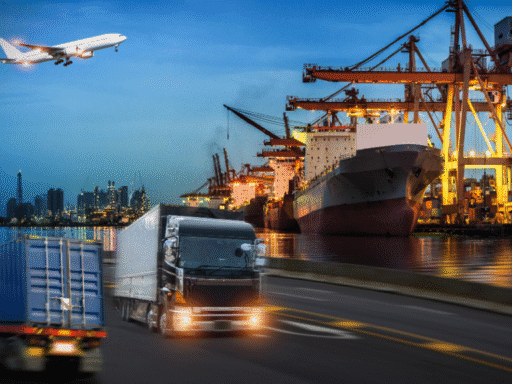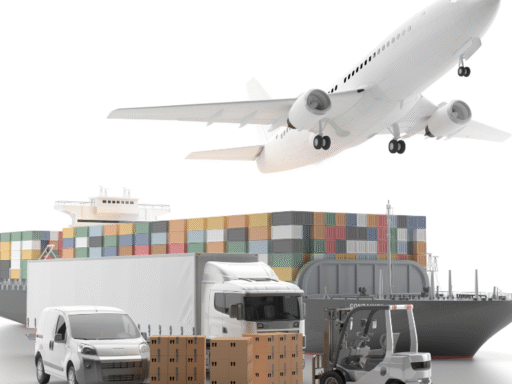
Ask any local packers and movers company what they do, and most will say, “We help people shift houses.” While that’s true, that answer is rapidly becoming outdated. In today’s fast-moving logistics environment, relocation businesses have an opportunity, if not an obligation, to move beyond traditional shifting jobs and tap into the larger supply chain ecosystem.
The key to scaling? Third-Party Logistics (3PL) partnerships and warehousing. These aren’t just buzzwords. They’re practical solutions that can help packers and movers grow beyond one-time household moves and start building recurring, scalable, and diversified revenue.
How 3PL Helps Packers & Movers Expand Their Reach
If you’ve been at this relocation thing for a while, you’d already know how flooded this industry is. Most go after seasonal bookings; small margins and high fuel prices are just icing on the cake. Imagine now: rather than sitting and waiting for inquiries for house-shifting, you start associating with large 3PL networks that help brands with shipping, returns, or even D2C delivery.
That’s what 3PL can do for you.
With a 3PL setup, you put your fleet to use within a system that handles transport, inventory management, distribution, and delivery, which can be a saving grace, mostly for growing e-commerce brands, small manufacturers, or even FMCG vendors. So your trucks keep going on more trips, better utilization of personnel, and a little revenue for the off-season times in between those peak shifting seasons.
3PL also brings tech into the picture. When you work with logistics tech players, they often provide dashboards, tracking systems, automated invoices, and real-time coordination, which can level up your customer experience and bring in more repeat business.
Warehousing: The Growth Opportunity You Might Be Ignoring
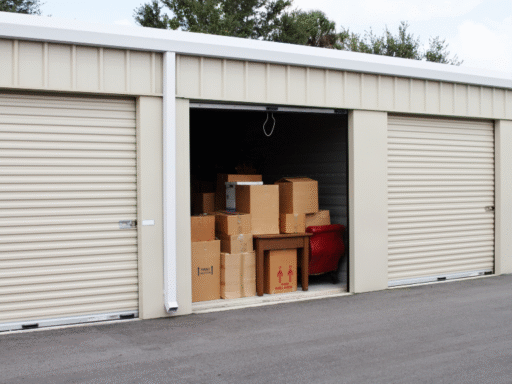
Let’s face it, after the truck is loaded, your job ends. But what if you also had a safe, clean space where people could store their goods temporarily? Or what if small businesses in your city could rent a part of your warehouse to store fast-moving stock?
Warehousing is no longer just for the big guys.
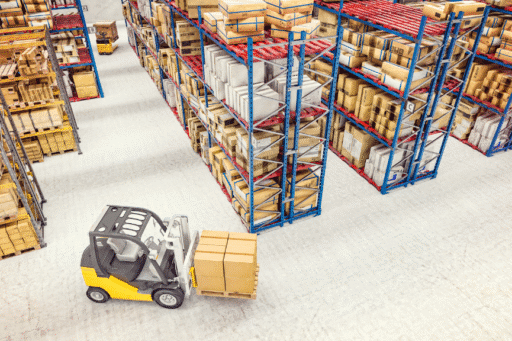
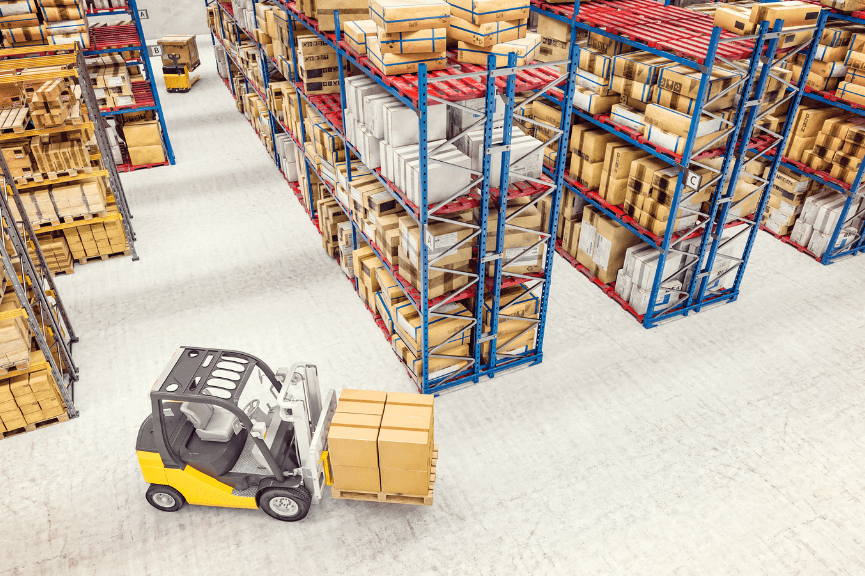
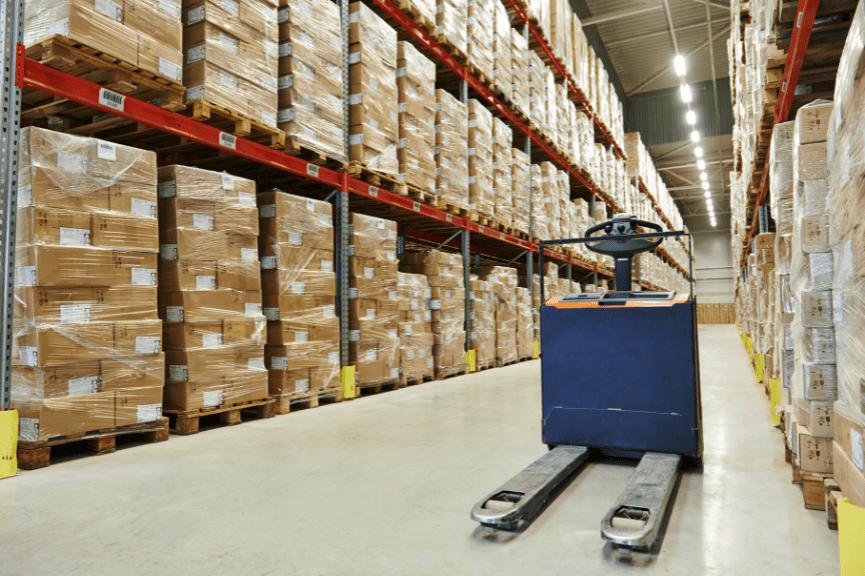
In Tier 2 and Tier 3 cities, especially, small-format warehouses are in high demand—from traders, online brands, and even families between moves. By renting or owning a warehouse space, packers and movers can offer value-added services like:
Temporary storage during intercity moves
Seasonal stock holding for SMEs
Last-mile consolidation for 3PL partners
Long-term storage options for NRIs or military personnel
All of this means you’re not just transporting goods, you’re managing them. That’s a powerful shift in your business model.
The Path to Becoming a Logistics Partner (Not Just a Mover)
Scaling up doesn’t mean turning into a massive logistics conglomerate overnight. It can start small.
Begin by reaching out to local e-commerce aggregators, D2C brands, or even logistics startups looking for delivery partners. Explore warehousing spaces on lease instead of buying them outright. Create simple storage contracts or tie-ups with existing 3PL providers who need last-mile support in your city.
There’s also a real opportunity to modernize your fleet; smaller, fuel-efficient vehicles can serve hyperlocal deliveries, while GPS-enabled trucks make you more visible and accountable to logistics companies.
Most importantly, think of your business as part of the supply chain, not just a relocation service. You’re moving goods, yes, but now, you can store, manage, track, and deliver them in a much more efficient, business-driven way.
Time to Think Bigger
India’s logistics industry is evolving fast, and the lines between movers, transporters, and warehousing providers are blurring. If you’re a packers and movers business, this is the right time to upgrade your mindset from “move-and-done” to a long-term logistics partner.
By tapping into 3PL and warehousing, you’re not just increasing bookings, you’re building a sustainable, scalable business that can grow with the needs of modern India. And the best part? You don’t need to reinvent your company. You just need to realign how you see your role in the movement of goods.
Your trucks are already moving. Now let your business move, too.