

For years, inter-state relocation in India followed a familiar playbook. You calculated distance, tolls, diesel costs, and loading days. The state border itself rarely mattered- except for paperwork and a quick tea break at a checkpoint.
That quiet assumption is no longer valid.
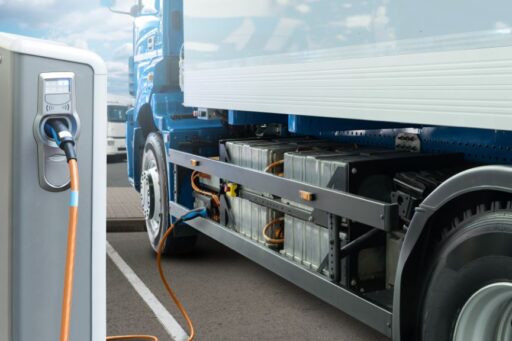
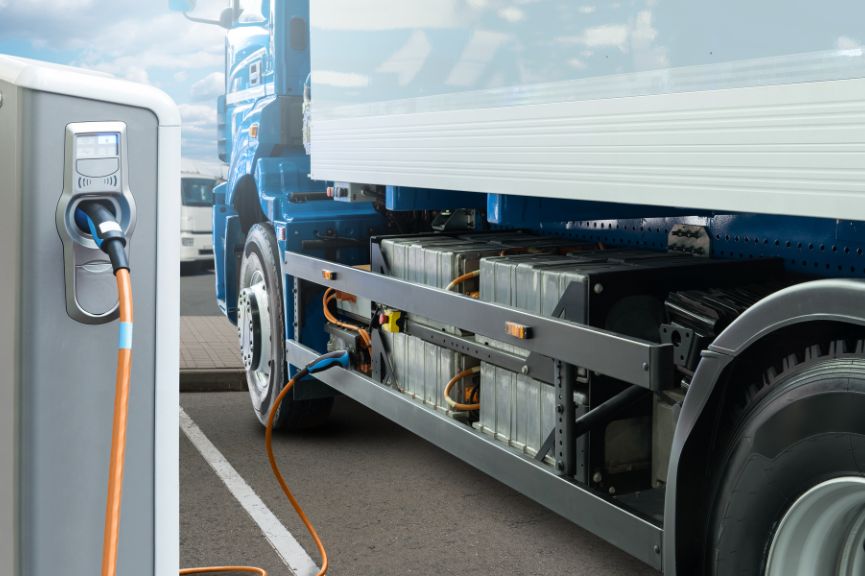
As electric vehicles enter logistics and relocation fleets, state-level EV policies have quietly become one of the most important cost variables for movers. Two trucks running the same route can now have very different economics—purely because of where they start, stop, or recharge.
For interstate movers, this is not a future issue. It is already affecting planning, pricing, and fleet decisions.
Why EV Policy Is a State Subject- and Why That Matters
India does not have one uniform EV policy. Each state designs its own incentives, subsidies, road tax rules, and charging infrastructure plans.
Some states actively court EV adoption with generous benefits. Others are cautious, offering limited support or focusing only on passenger vehicles.
For relocation companies that operate across state borders, this creates a patchwork system rather than a single national framework.
A truck that makes financial sense in one state may become inefficient the moment it crosses into another.
How State Policies Directly Affect Moving Costs
The impact of EV policies on inter-state relocation is not theoretical. It shows up in daily operations.
1. Purchase Subsidies and Fleet Economics
States like Delhi, Maharashtra, Gujarat, and Tamil Nadu offer incentives that reduce the upfront cost of electric commercial vehicles.
If a mover registers its EV fleet in a supportive state, the vehicle may be cheaper by several lakhs. But once that same truck operates outside the home state, the benefits stop.
This creates a dilemma:
Should movers centralise EV fleets in one state- or maintain mixed fleets across regions?
2. Road Tax, Permit Fees, and Registration Rules
Some states waive road tax for EVs. Others reduce it partially. A few still treat electric trucks almost like diesel ones.
For interstate movers, this means:
- Different permit costs
- Varying compliance documentation
- Confusion during enforcement checks
Inconsistent rules increase administrative overhead- and that cost eventually reaches the customer.
3. Charging Infrastructure: The Invisible Cost Driver
Charging availability varies dramatically by state.
Urban hubs like Bengaluru, Delhi NCR, and Pune are building EV charging networks rapidly. But long inter-state corridors still have large gaps.
For movers, this means:
- Longer route planning
- Potential overnight halts
- Missed delivery timelines
What looks like fuel savings on paper can quickly turn into time-related costs in practice.
The Border Problem: Where EV Logic Breaks Down
Inter-state movement exposes the biggest flaw in India’s EV rollout- lack of coordination.
A truck moving household goods from Gurugram to Jaipur may face:
- Easy charging in Haryana
- Limited facilities after crossing into Rajasthan
- Different enforcement interpretations at borders
This uncertainty forces movers to keep diesel backups or restrict EV usage to intracity or intra-state moves.
As a result, inter-state relocation remains largely diesel-driven, even as cities push electric adoption.
Impact on Pricing: Why Customers Are Seeing Fluctuations
From the customer’s perspective, moving costs feel unpredictable. Quotes vary more than before, even for similar distances.
State EV policy differences contribute to this.
Movers must factor in:
- Whether EVs can be used for the route
- Charging delays
- State-specific toll or permit costs
- Risk buffers for breakdown or rerouting
When policy clarity is missing, pricing becomes conservative- and higher.
Why Smaller Movers Feel the Pressure More
Large logistics players can absorb policy complexity. They have compliance teams, diversified fleets, and capital buffers.
Small and mid-sized relocation companies don’t.
For them:
- A wrong EV purchase decision can hurt cash flow
- A poorly planned interstate EV route can damage a reputation
- A delayed delivery can lead to client disputes
This makes many regional movers hesitant to adopt EVs, despite rising fuel costs and sustainability pressure.
Mixed Fleets Are Becoming the New Normal
Instead of full EV transitions, most interstate movers are adopting hybrid fleet strategies.
They use:
- EVs for intracity and short-haul moves
- Diesel or CNG trucks for long inter-state routes
This approach reduces risk but also limits economies of scale.
Until policies align across states, mixed fleets may remain the safest operational choice.
What Movers Can Do Right Now
While policy alignment may take time, movers are not powerless.
Practical steps include:
- Mapping EV-friendly states and corridors
- Registering fleets strategically where incentives are strongest
- Partnering with charging network providers
- Being transparent with clients about EV feasibility
The movers who communicate clearly tend to face fewer disputes—and stronger trust.
What Policymakers Need to Understand
For EV adoption in relocation to scale, states must think beyond city traffic and personal vehicles.
Inter-state logistics needs:
- Unified permit norms
- Shared charging corridor planning
- Consistent enforcement training
- Clear EV classification for goods carriers
Without this, EV adoption in moving and relocation will remain fragmented- and expensive.
The Bigger Picture: Policy Shapes Markets
EVs are not just a technology shift. They are a policy-driven transformation.
For relocation companies, success will not depend only on trucks and drivers- but on how well they understand and navigate state regulations.
Those who treat EV policy as a strategic factor, not a government detail, will gain an advantage.
Others may find themselves paying hidden costs they never anticipated.
Inter-State Moves Are a Reality Check for EV India
Electric mobility works best where policies are aligned and infrastructure is dense. Inter-state relocation exposes every gap in that system.
Until India builds a truly connected EV ecosystem, movers will continue walking a tightrope-balancing cost, compliance, and customer expectations.
The future is electric.
But for inter-state relocation, the road is still uneven.