

For years, packers and movers in India have depended mainly on one-time relocation jobs. A household shifts, the truck unloads, and the relationship with the customer often ends there. But the way Indians move, live, and work is changing—and with it, the relocation business model is also evolving.
One service is quietly gaining importance across cities and customer segments: Storage-as-a-Service (STaaS). For movers willing to adapt, STaaS is no longer just an add-on. It is emerging as a stable, recurring, and scalable revenue stream.
What Storage-as-a-Service Really Means
Storage-as-a-Service is a flexible storage solution where customers pay only for the space and time they need, instead of renting a full warehouse or godown. It allows households, professionals, and businesses to store belongings safely for weeks or months, with easy retrieval when required.
Unlike traditional storage, STaaS is integrated with relocation services. The same company handles packing, pickup, inventory, storage, insurance, and delivery. For customers, this removes stress. For movers, it opens a new business vertical.
Why Demand for Storage Is Rising in India
Several lifestyle and market trends are driving storage demand across Indian cities.
Urban rentals are increasing, while home sizes are shrinking. Many families move into temporary accommodations while waiting for possession of new homes. Job-linked relocations are becoming frequent due to hybrid work models, but employees may not immediately settle permanently.
Students moving abroad, professionals on overseas assignments, NRIs returning temporarily, and families renovating homes all need short- or long-term storage.
In almost every relocation today, there is a timing gap. STaaS fills that gap.
Why Packers & Movers Are Best Placed to Offer STaaS
Packers and movers already handle people’s belongings at their most vulnerable moments. Customers trust them with furniture, appliances, documents, and personal items. This trust is difficult to build- and movers already have it.
They also understand inventory management, packing standards, fragile handling, and insurance coordination. Adding storage is a natural extension of existing capabilities, not a completely new business.
Most importantly, movers already have the customer traffic. Every relocation enquiry is a potential storage customer.
From One-Time Jobs to Recurring Revenue
Traditional relocation income ends when the truck reaches the destination. Storage changes that equation.
With STaaS, movers earn monthly or weekly revenue for as long as goods remain in storage. Even short storage periods add up over time. When combined with packing, insurance, retrieval, and last-mile delivery, storage significantly increases the lifetime value of a customer.
Instead of chasing new customers every month, movers build predictable income streams.
How Movers Are Offering Storage Without Owning Warehouses
Not every mover needs to build a warehouse to enter STaaS.
Many successful players partner with existing warehouse operators, industrial parks, or self-storage facilities. Others convert unused godowns or spare space into controlled storage zones. Some collaborate with 3PL providers for shared infrastructure.
This asset-light approach reduces risk and allows movers to test demand before scaling.
Technology Is Making Storage Scalable and Trustworthy
Customers are naturally concerned about safety when storing valuables. This is where technology plays a critical role.
Digital inventory systems, barcoding, photo-based documentation, CCTV monitoring, access control, and insured storage facilities build confidence. Some movers even provide digital dashboards where customers can view stored items and request delivery.
Transparency turns storage from a risk into a comfort.
Bundled Services Create a Competitive Advantage
Storage works best when it is bundled seamlessly with relocation.
Customers prefer one vendor handling packing, transport, storage, and final delivery instead of coordinating multiple providers. Movers who offer integrated solutions stand out in a crowded market.
Bundling also reduces price sensitivity. Customers focus on convenience and reliability, not just cost.
Corporate and B2B Storage Opportunities
Beyond households, STaaS opens doors to corporate clients.
Companies relocating employees often need temporary storage. Office downsizing or redesigning spaces requires document and furniture storage. Startups prefer flexible storage instead of long-term leases.
Movers who position storage as a professional service- not just a godown- can attract steady B2B contracts.
Challenges Movers Must Address
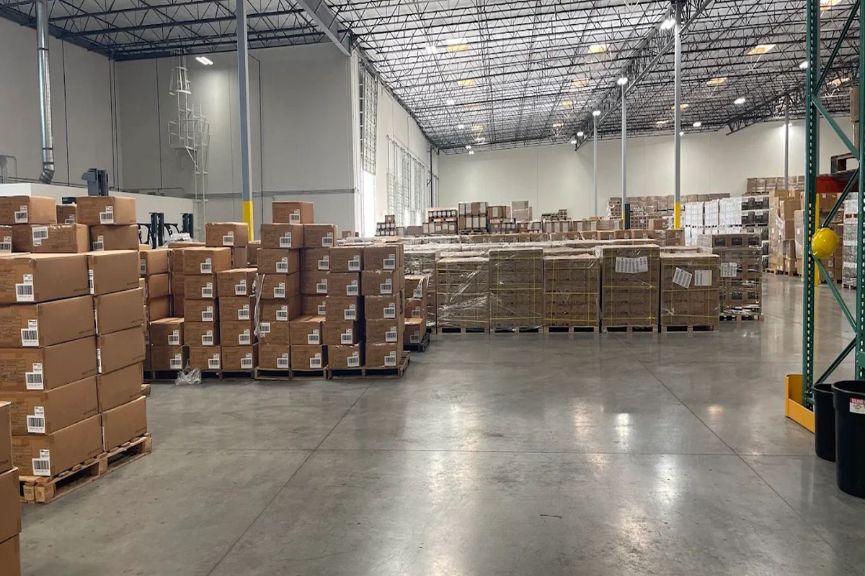
Storage is not without responsibility. Poor inventory management, weak security, unclear terms, or delayed retrieval can damage trust quickly.
Movers must ensure proper documentation, insurance coverage, pest control, climate protection where required, and clear communication with customers.
Done poorly, storage becomes a liability. Done right, it becomes a brand-strengthening service.
Why STaaS Will Define the Next Phase of Relocation Businesses
As relocation volumes fluctuate with seasons and job markets, storage provides stability. It smoothens cash flow and reduces dependency on peak periods.
More importantly, it shifts movers from being transport providers to being mobility service partners.
In the coming years, customers will not just ask, “Can you move my house?” They will ask, “Can you manage my transition?”
Storage-as-a-Service is the answer to that question.
The Movers Who Adapt Will Lead
STaaS is not a trend- it is a response to how Indians live and move today.
Packers and movers who embrace storage early, invest in systems, and build trust-driven services will unlock long-term growth. Those who stick only to traditional moving may struggle to remain competitive.
In a changing relocation landscape, storage is no longer optional. It is the next big opportunity.