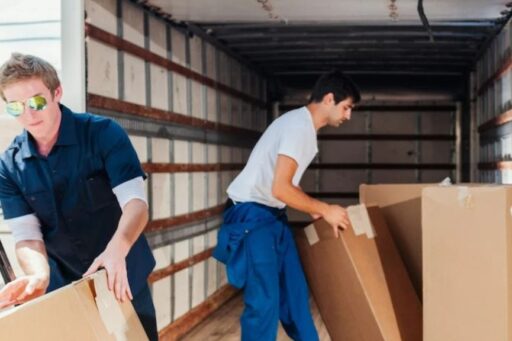
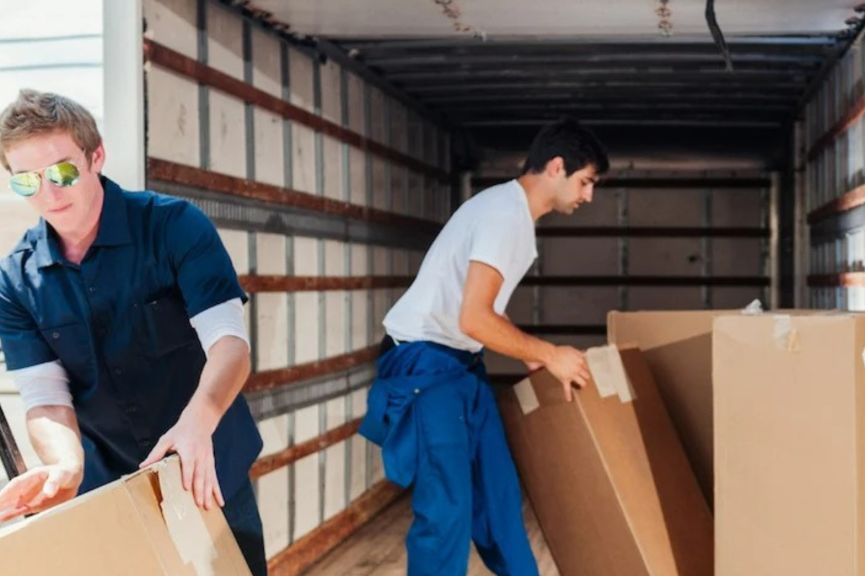
If you look closely at how Indian cities are evolving, one thing becomes clear- the way people move homes is changing.
Not long ago, relocation mostly meant long-distance, inter-city shifting. Families moved between cities for jobs, education, or lifestyle upgrades.
But in 2026, a different pattern is emerging.
More people are moving within cities rather than across them. Short-distance relocations- within 5 to 15 kilometers- are becoming more common.
And the reason lies in a mix of factors:
urban congestion, rising rents, flexible work, and the rise of hyperlocal logistics models.
Why Cities Are Driving Smaller, Frequent Moves
India’s urban centers are no longer expanding simply. They are becoming denser, more fragmented, and more dynamic.
As cities grow, several changes are influencing relocation patterns:
- People frequently shift between nearby neighborhoods
- Rental flexibility has increased
- Work-from-home and hybrid jobs allow micro-relocation
- Daily commute time is becoming a major decision factor
In fact, logistics experts note that urban logistics models have had to evolve because cities have outgrown traditional transport systems.
This shift is not just about where people move- but how often and how quickly they move.
The Role of Urban Congestion
Anyone living in cities like Mumbai, Bengaluru, or Delhi knows the reality:
Traffic congestion has become a daily challenge.
But congestion is doing more than slowing vehicles- it is reshaping logistics behavior.
How congestion is impacting relocation:
- Large trucks struggle to enter dense residential areas
- Delivery and moving timelines are becoming unpredictable
- Fuel and operational costs are rising
- Parking and loading spaces are limited
Because of this, traditional moving models- large trucks, long schedules, fixed timelines- are becoming less efficient.
Enter Hyper-Local Logistics Models
To solve these challenges, logistics is shifting toward hyperlocal systems.
Hyperlocal delivery focuses on short-distance, neighborhood-level movement, often within a few kilometers.
Instead of relying on large warehouses and long routes, companies are now using:
- Small vehicles (like Tata Ace, mini trucks, bikes)
- Local fleet operators
- Micro-fulfillment hubs within cities
- App-based booking systems
This model is already dominating sectors like grocery, food delivery, and e-commerce- and now, it’s influencing relocation.
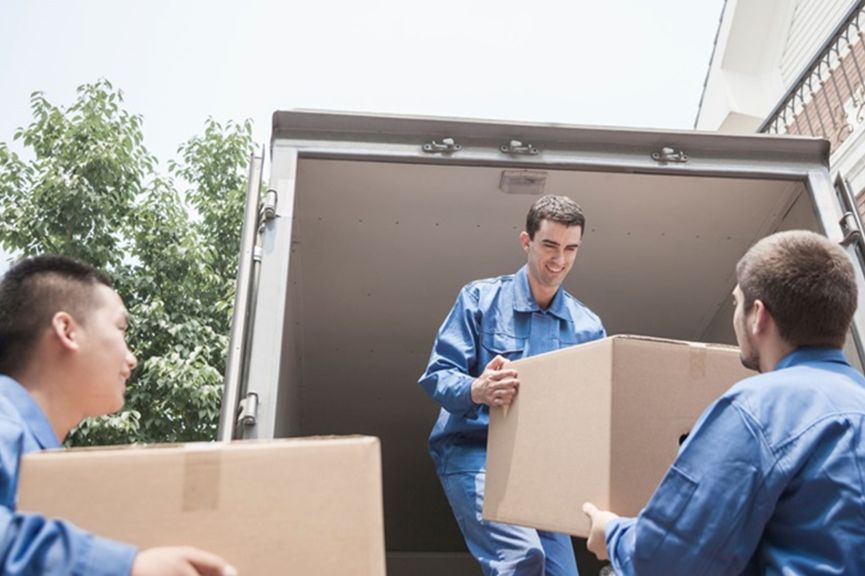
The Rise of Micro-Moves in Cities
One of the biggest shifts in 2026 is the rise of micro-moves.
These include:
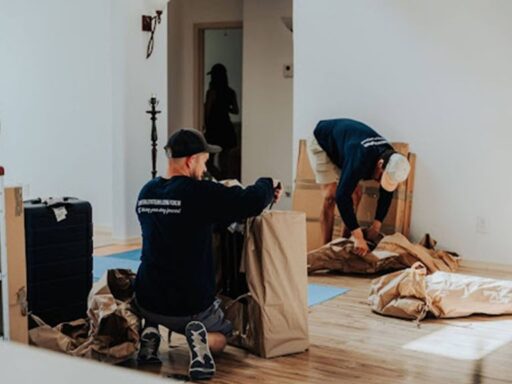
- Moving from one apartment to another within the same locality
- Shifting single rooms or studio apartments
- Partial moves (only furniture or appliances)
- Student or rental-based relocations
Unlike traditional full-house relocations, these moves are:
- Faster
- Smaller in scale
- More frequent
In fact, modern logistics trends indicate that delivery and transport volumes are decreasing while frequency is increasing, especially in urban environments.
This directly translates into how people move homes.
Micro-Fulfillment & Urban Warehousing Changing the Game
Another important trend supporting hyperlocal movement is the rise of micro-warehouses.
Instead of large warehouses outside cities, companies are now building small storage hubs within urban areas.
These micro-fulfillment centers:
- Reduce travel distance
- Enable faster movement
- Support same-day or even same-hour logistics
Experts note that these urban micro-warehouses are becoming the backbone of modern logistics systems.
For relocation companies, this opens new opportunities:
- Temporary storage for short-distance moves
- Faster delivery of household goods
- Flexible moving schedules
Changing Customer Expectations
Customer behavior is evolving rapidly- and that’s driving this shift even faster.
Today’s urban customer wants:
- Same-day or next-day moving
- Flexible time slots
- Real-time tracking
- Smaller, cost-effective services
This expectation is influenced by quick commerce, where deliveries occur within 10–30 minutes in local areas.
When groceries can arrive in minutes, customers naturally expect moving services to be faster and more responsive too.
New Delivery Models Shaping Urban Moving
The future of moving in cities is not just hyperlocal- it’s also multi-model and flexible.
Here are some emerging models:
1. On-Demand Intracity Moving
Customers can now book a vehicle instantly via apps.
- Select vehicle type
- Choose time slot
- Get instant pricing
This is similar to ride-hailing, but for goods movement.
2. Shared Load Moving
Instead of booking a full truck, customers share space.
- Cost-effective
- Environment-friendly
- Ideal for small moves
3. Gig-Based Moving Workforce
Hyperlocal logistics is powered by:
- Local drivers
- Freelance labor
- On-demand helpers
This flexible workforce helps companies scale quickly.
4. Multi-Vehicle Logistics
In congested areas, one large truck may not be practical.
Instead:
- Goods are transferred from large vehicles to smaller ones
- Last-mile delivery is handled separately
Environmental and Cost Impacts
Interestingly, hyperlocal moving also has sustainability benefits.
Shorter distances mean:
- Lower fuel consumption
- Reduced emissions
- Better route optimization
Additionally, smaller vehicles can navigate cities more efficiently, reducing delivery time.
From a cost perspective:
- Customers pay only for what they use
- Movers reduce idle fleet time
- Operations become more efficient
What This Means for Movers & Packers
For traditional relocation companies, this shift is both a challenge and an opportunity.
Challenges:
- Adapting to smaller, frequent jobs
- Managing fragmented operations
- Competing with tech-enabled platforms
Opportunities:
- Expanding into intracity services
- Offering flexible pricing models
- Leveraging micro-warehousing
- Using smaller fleets for urban delivery
Companies that adapt to hyperlocal demand will be able to tap into a high-volume, recurring market.
The Bigger Picture: Cities Are Changing the Movement Itself
At a broader level, this shift reflects a deeper transformation.
India’s supply chains are moving from efficiency-driven models to experience-driven systems, where speed and convenience define success.
Relocation is simply following that trend.
The idea of moving is no longer limited to long-distance relocation.
In 2026, moving is becoming:
- Faster
- Smaller
- More frequent
- Highly localized
Urban congestion, digital platforms, and changing lifestyles are all pushing the industry toward hyperlocal moving ecosystems.
For customers, this means more flexibility and convenience.
For movers, it means adapting to a new reality.
Because in the cities of the future, it’s not about moving far, it’s about moving smart, fast, and local.