
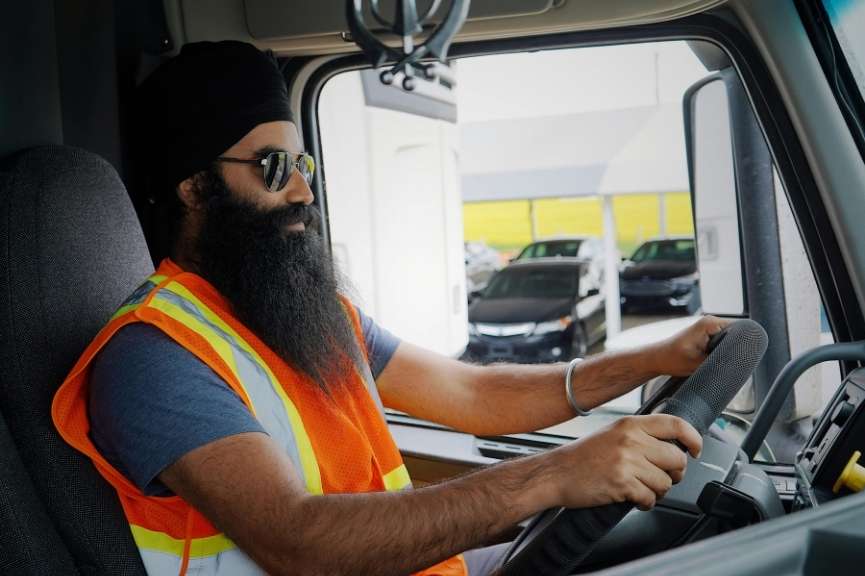
India moves on trucks. Nearly 65 percent of all freight in India is road transported-from fruits and vegetables from Punjab, textiles from Tiruppur, to auto parts from Pune. Behind those engines hummed and endless highways lay a crisis that the logistics industry cannot keep ignoring: a steep shortage of truck drivers.
This isn’t a sudden problem. It’s been building quietly for years. Yet, its impact is now becoming too loud to overlook, with delivery timelines stretching, freight costs rising, and logistics players grappling with operational uncertainty. Let’s understand why India is struggling with a trucker shortage and what it means for the future of the sector.
Not Enough Hands on the Wheel
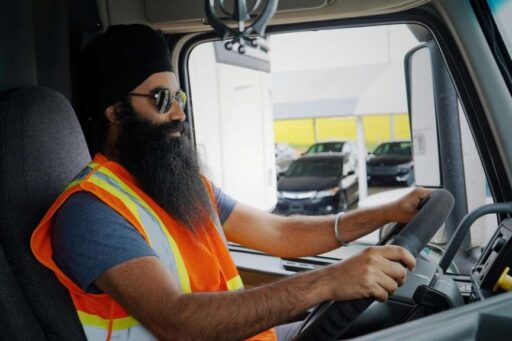
India currently needs nearly 90 lakh truck drivers to meet demand, but the active workforce stands at barely 40-50 lakh. That’s a shortfall of over 40%. With each passing year, fewer young people are choosing this as a career. Why? The answer is here: A blend of tough working conditions, low levels of esteem in society, and economic instability.
Long days, very little time to relax, no basic sanitation requirements, and bad roads make trucking one of the most thankless jobs. Many drivers spend weeks away from their loved ones, sleep inside their trucks, get harassed, and get extorted.
With such a reality, it’s hardly surprising that the next generation is opting out.
The Ripple Effect on Logistics
A shrinking driver base directly translates to fewer trucks available for timely deliveries. As demand for e-commerce, express logistics, and B2B transport rises, supply bottlenecks are becoming more common. Transport companies, big and small, are forced to pay a premium to retain drivers, which then gets passed on as higher freight rates.
For shippers and consumers alike, this creates a chain reaction of slower delivery schedules, inflated product pricing, and broken service-level commitments. Startups, which often operate on thin margins, are especially vulnerable.
What’s Being Done? And Is It Enough?
Acknowledging the situation, the government has presented a few schemes under the PM Gati Shakti plan and Skill India initiative to formalize and upskill the logistics workforce. A few fleet operators also offer some health insurance, education benefits for drivers’ children, and dignified rest facilities.
However, these measures have not yet yielded large-scale results. The bulk of drivers remain outside of the formal economy, without pension, insurance, or union support.
Can Technology Bridge the Gap?
On the other hand, electric trucks are being categorized as a long-term solution along with route-optimization tools and autonomous vehicles. Widespread deployment still seems to be years away. However, in the meantime, digitization of fleet management, better scheduling, and real-time visibility platforms can ease some of that pressure and improve operational efficiency.
Humanizing the Supply Chain
By and large, it is not an issue of logistics; it is an issue of persons. While these drivers are keeping India’s engine of economic activity running, they seldom receive their due recognition. Their well-being and fair wages should be ensured, along with the profession; it is not only a moral requirement but also a precondition for sustainable logistics.
The trucker shortage must be solved if indeed India dreams of being a $5 trillion economy and logistics hub. It will involve a multi-stakeholder approach that includes government, private players, and community coming together to make truck driving a safer, more dignified, and economically rewarding profession.
Only that way will the wheels of progress be set into motion.