In a major expansion of its logistics ambitions, Uber has officially launched Uber Direct, a new B2B logistics service in Bengaluru. This marks a significant move for the global mobility giant as it steps deeper into India’s fast-evolving digital commerce ecosystem through integration with the Open Network for Digital Commerce (ONDC).
The launch, first reported locally and reflected in the uploaded news clipping, highlights Uber’s strategy to create a new revenue stream beyond ride-sharing and traditional courier services. With India rapidly transforming into a major logistics and quick-commerce hub, Uber’s entry into B2B logistics signals a larger shift in how global players view the potential of the Indian logistics market.
This detailed report dives into the full announcement, how the service works, why it matters, and what it means for India’s logistics and hyperlocal delivery landscape.
A New Bet on India’s Digital Commerce Revolution
Uber has been exploring ways to diversify its business globally- especially after the pandemic accelerated demand for delivery, logistics, and hyperlocal supply chains. India, with its booming e-commerce and quick delivery ecosystem, offers one of the world’s most promising markets.
By launching Uber Direct in Bengaluru, Uber is placing a calculated bet on ONDC, India’s government-backed digital commerce network designed to standardize online shopping and bring millions of sellers and buyers onto a unified, open platform.
Key objective:
To act as a “plug-and-play” logistics layer for sellers and service providers who are part of ONDC.
In simple terms, Uber will not act as a marketplace. Instead, it will act as the delivery engine, providing riders, pickups, and last-mile services for orders generated through ONDC-enabled seller apps.
Uber Direct: What Exactly Is It?
Unlike Uber’s earlier forays into delivery through Uber Eats or courier services, Uber Direct is purely a B2B logistics solution.
How it works:
- Sellers take orders on ONDC-supported apps.
- The order is routed through ONDC.
- Uber receives the delivery request on the supply side.
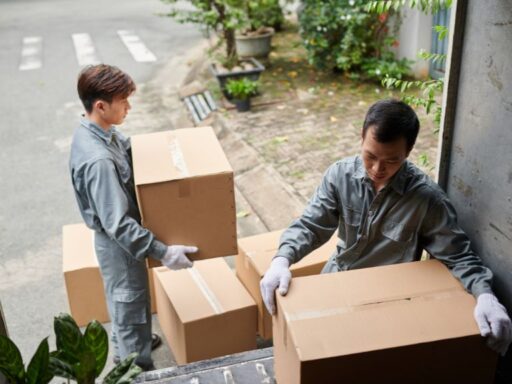
- Uber riders fulfil the order using its two-wheeler fleet.
- Customers never interact with Uber directly.
This model helps Uber avoid the complexities of customer-facing marketplaces while tapping into India’s fastest-growing digital commerce infrastructure.
With lakhs of riders already active on its platform, Uber’s existing mobility network becomes an instant logistics backbone—allowing it to scale rapidly without building a new fleet or acquiring partners.
Launched Alongside Metro Ticketing on the Uber App
The launch of Uber Direct in Bengaluru coincides with another major addition to the Uber ecosystem- metro ticketing through the Uber app.
This integration with Bengaluru Metro Rail Corporation Limited (BMRCL) reinforces Uber’s strategy of positioning itself not just as a ride-hailing app, but as a full-service mobility and logistics platform.
By combining passenger mobility and goods movement within one platform, Uber edges closer to becoming a multi-modal, multi-purpose app for urban India.
Early Partners: From Groceries to Food Chains
In the initial phase, Uber Direct is handling deliveries for:
- Zepto – India’s fastest-growing quick commerce startup
- KPN Farm Fresh – a major provider of fresh produce and groceries
This focus on essentials and fast-moving consumer goods is strategic. Quick commerce has seen explosive growth in Indian metros, and players like Zepto rely heavily on consistent, fast logistics capacity.
Uber Direct is expected to help meet these needs- especially during peak demand hours.
Next Phase: Food Chains & Cloud Kitchens
As more brands join ONDC, Uber will expand delivery services to major food chains like:
- KFC
- Burger King
- Taco Bell
- Rebel Foods (Faasos, Oven Story, Behrouz Biryani, etc.)
These brands already handle massive order volumes, and Uber’s two-wheeler network offers an immediate solution for faster, more flexible delivery.
Why Bengaluru? A Strategic Choice
Uber chose Bengaluru as its launch city for several reasons:
1. High density of delivery demand
Bengaluru has one of the highest concentrations of:
- Quick commerce demand
- Cloud kitchens
- Online grocery orders
2. Massive two-wheeler availability
The city’s traffic patterns make two-wheelers the fastest option for last-mile delivery, and Uber already has a strong bike fleet presence.
3. Early adoption of ONDC
Bengaluru has been among the first cities to actively adopt ONDC among sellers, restaurants, and delivery partners.
4. Tech-friendly consumer base
Bengaluru’s digital-savvy population makes it an ideal testing ground for Uber’s new service before expanding to other cities.
How the ONDC-Uber Direct Integration Works (Step-by-Step)
The process is designed to be seamless and invisible to the customer.
1️⃣ Order Generation on Seller Apps
Customers place orders on platforms that support ONDC—like a grocery app, a retail app, or a restaurant app.
2️⃣ Routing Through the ONDC Network
Order details are automatically routed through ONDC’s protocol.
3️⃣ Uber Receives the Delivery Request
Uber’s backend integrates with ONDC on the supply side only, meaning Uber never sees or interacts with the customer directly.
4️⃣ Rider Assignment
An Uber two-wheeler rider receives the delivery job—similar to how ride requests are received.
5️⃣ Pickup & Delivery
The rider picks up the goods and delivers them to the customer’s location.
6️⃣ Completion & Settlement
Uber is paid by the seller or platform—not the customer.
This architecture enables complete transparency and reduces dependencies on monopolistic platforms.
Why This Launch Matters for India’s Logistics Sector
The entry of Uber into the B2B logistics space has multiple long-term implications:
1. Strengthens ONDC’s Logistics Backbone
ONDC requires scalable logistics providers. Uber’s massive rider fleet instantly boosts the network’s delivery capacity.
2. Increases Competition with Existing Hyperlocal Players
Players like Dunzo, Shadowfax, Rapido, and Swiggy Genie will now face competition from a global giant.
3. More Choices for Sellers & Small Businesses
Sellers will no longer be forced to rely on a single aggregator.
4. Potential for Lower Delivery Costs
As competition grows, delivery charges may go down—benefiting both buyers and small merchants.
5. Faster Scaling to Tier-1 & Tier-2 Cities
Uber already has networks across India, allowing quick expansion.
A Revenue Boost for Riders
Uber riders-especially bike owners-stand to benefit greatly from this new service.
How riders benefit:
- Increased number of rides, especially during non-peak hours
- Higher earnings through logistics jobs
- More predictable demand throughout the day
- Portfolio of ride + delivery jobs
For many riders struggling with fluctuating ride demand, delivery orders offer a stable alternative.
Future Outlook: What Could Happen Next?
If the Bengaluru pilot succeeds, Uber is expected to expand the service to:
- Delhi NCR
- Mumbai
- Hyderabad
- Chennai
- Pune
- Kolkata
Uber may also introduce:
- One-hour delivery partnerships
- Pharmacy deliveries
- Electronics and e-commerce parcel movement
- Dark-store-based hyperlocal fulfillment
The long-term potential includes integration with 3PL players, warehousing, and cross-city logistics partners.
Uber’s Entry Signals a New Era in India’s Logistics
The launch of Uber Direct via ONDC is a significant moment for India’s logistics and delivery industry. It shows how global players increasingly view India as a high-growth market for logistics, e-commerce support, and digital commerce.
With ONDC aiming to democratize the online marketplace ecosystem, Uber’s presence strengthens the network’s delivery backbone- making logistics more efficient, competitive, and scalable.
Bengaluru is just the beginning. If successful, Uber has the potential to reshape urban delivery across India.