


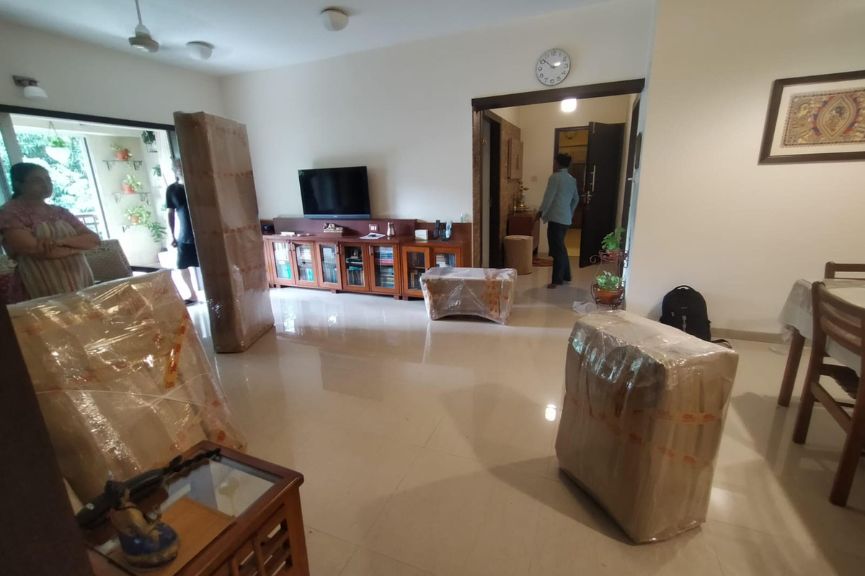
Moving homes is emotional.
It is also risky.
A sofa that took years to buy.
A TV bought after months of saving.
A box of memories that cannot be replaced.
Yet, even in 2026, many people still move their homes without truly understanding how protected their belongings really are.
Insurance in relocation has long been treated as a checkbox. That approach no longer works.
The Old Way of “Insurance” Is No Longer Enough
For years, movers offered what they called “basic insurance.”
Most customers accepted it without asking questions.
The problem?
Basic coverage often protects the mover more than the customer.
In reality, it usually:
Covers limited damage
Has vague exclusions
Pays far less than replacement value
As relocation volumes rise and household items become more expensive, this gap is becoming obvious—and costly.
Why Insurance Is Becoming a Deal-Breaker in 2026
Three big changes are pushing insurance innovation to the forefront.
1. Higher-Value Households
Homes today are filled with:
Smart TVs
Modular furniture
Electronics
Work-from-home equipment
Damage now means real financial loss, not just inconvenience.
2. More Inter-City & Long-Distance Moves
Longer routes mean higher exposure to:
Transit shocks
Weather risks
Handling errors
Storage-related damage
Without proper coverage, one incident can wipe out trust instantly.
3. Informed Customers
Customers today:
Read policies
Ask tough questions
Compare coverage, not just price
Insurance transparency has become part of brand credibility.
What “Insurance Innovation” Really Means
Innovation does not always mean complex products.
It means relevant protection.
Here’s how insurance is evolving in the relocation industry.
1. Declared Value Coverage (Not Guesswork)
Modern insurance products are shifting toward declared value models.
Customers list items and their approximate value.
Coverage is based on what the item is actually worth—not a random percentage.
This removes confusion and builds trust.
2. Damage-Specific Protection
Instead of one blanket policy, newer plans break coverage into categories:
Breakage
Scratches and dents
Water damage
Theft
Fire or accidents
This clarity helps customers understand what is covered-and what is not.
3. Full Replacement vs Depreciated Value
This is one of the most important changes.
Traditional policies often pay depreciated value.
Newer premium plans offer replacement cost coverage.
That difference can decide whether a customer can actually replace a damaged item.
4. Storage Insurance as a Standalone Product
With storage becoming common, insurance must cover:
Short-term storage
Long-term warehousing
Climate-related risks
Pest and moisture damage
Forward-looking movers now offer storage insurance separately instead of bundling it vaguely.
5. Transit Insurance with Live Risk Tracking
Some modern insurance providers now integrate with:
GPS tracking
Route data
Delay monitoring
If a shipment enters a high-risk zone or gets delayed, coverage terms adapt automatically.
This is no longer futuristic—it’s happening.
What Customers Should Demand From Movers in 2026
Customers should stop treating insurance as optional.
Here’s what they should clearly ask for.
1. Written Policy Documents
No verbal promises.
No “don’t worry, it’s covered.”
Customers must ask for:
Policy copies
Coverage limits
Claim timelines
2. Clear Claim Process
Before booking, customers should ask:
How do I raise a claim?
How long does the settlement take?
Who approves the claim?
A good mover explains this upfront.
3. Choice of Coverage Levels
One size does not fit all.
Customers should be able to choose:
Basic protection
Standard coverage
Premium protection
Choice builds confidence.
4. Coverage for High-Value Items
Jewellery, artwork, gadgets, and fragile items should have:
Separate declarations
Special packing protocols
Dedicated insurance terms
If a mover avoids this discussion, it’s a red flag.

Why Movers Cannot Ignore Insurance Innovation Anymore
For movers, insurance is no longer a cost-it’s a growth tool.
Better insurance means:
Fewer disputes
Higher customer trust
Better corporate contracts
Stronger brand reputation
In fact, many enterprise clients now shortlist movers based on insurance depth alone.
The Trust Gap Insurance Can Close
Most relocation conflicts happen after the move- not during it.
When insurance is clear:
Arguments reduce
Refund requests drop
Repeat business increases
Insurance becomes the silent problem-solver.
The Future: Insurance as a Service Feature
By 2026, insurance will not sit at the end of a quotation.
It will be:
Explained early
Shown visually
Priced transparently
Movers who treat insurance as part of the customer experience- not paperwork- will stand apart.
People don’t just move boxes.
They move their lives.
Insurance innovation ensures that when something goes wrong, and sometimes it will, customers don’t feel helpless.
In 2026, the best movers won’t say, “Don’t worry.”
They’ll say, “Here’s exactly how you’re protected.”
That difference matters.
SEO Elements
Slug:
insurance-innovation-for-packers-and-movers-2026
Meta Description:
Trending Keywords:
relocation insurance India, packers and movers insurance, transit insurance for household goods, moving insurance coverage 2026, damage protection relocation