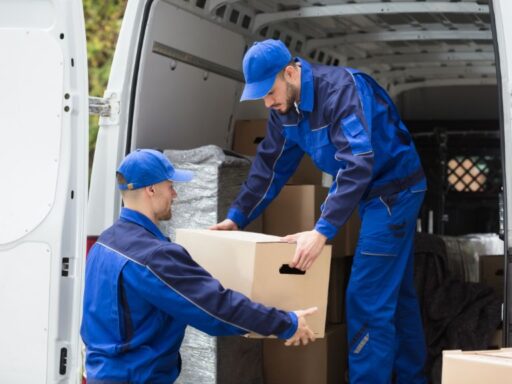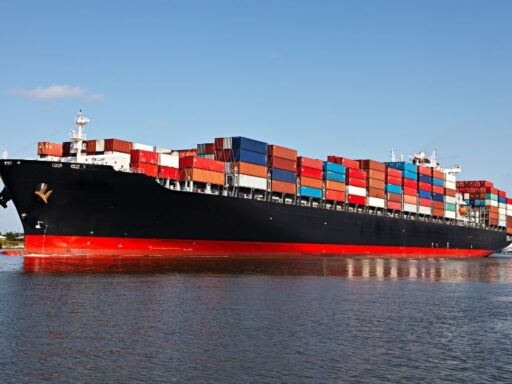



For decades, India’s logistics and relocation industry has been seen as a male-dominated space. From truck driving and warehouse handling to on-ground relocation operations, the sector has traditionally relied on physical labour and long working hours. These realities kept many women away.
But this picture is changing-slowly, steadily, and meaningfully.
Across India, more women are entering logistics, supply chain management, and relocation services. While their numbers are still limited compared to men, their presence is becoming stronger, more visible, and more impactful.
This shift is not sudden. It is the result of better education, digital tools, formalisation of businesses, and changing workplace attitudes.
Why Logistics and Relocation Had Fewer Women
Historically, logistics and relocation came with challenges that made it difficult for women to enter or stay in the sector.
Field-heavy roles required frequent travel, odd working hours, and physical supervision of loading and unloading. Safety concerns, lack of proper facilities, and limited career growth pathways also played a role.
In relocation services specifically, packers and movers often operated in an unorganised manner. Informal hiring, temporary labour, and minimal HR structures left little room for diversity or inclusion.
As a result, women were mostly seen only in administrative or customer support roles.
What Is Driving the Change Now
The industry today looks very different from what it was even a decade ago.
Technology has reduced manual dependency. GPS tracking, digital inventory management, CRM tools, and app-based booking platforms have transformed how logistics and relocation companies operate.
With better systems in place, many roles now focus on planning, coordination, compliance, customer experience, and analytics. These areas naturally attract skilled women professionals.
Formal corporate relocation, 3PL expansion, warehousing growth, and stricter compliance norms have also pushed companies to adopt structured hiring practices.
As logistics becomes more professional, it also becomes more inclusive.
Where Women Are Making an Impact
Women are no longer limited to back-office roles. Today, they are contributing across multiple areas of logistics and relocation.
Many women are leading operations planning, supply chain optimisation, HR, finance, compliance, and customer success teams. In corporate relocation, women often manage key client relationships and policy-driven moves.
Some have stepped into entrepreneurship, launching logistics startups, relocation consultancies, and digital platforms that focus on transparency and service quality.
Others are shaping the industry through policy, research, training, and workforce development.
While field roles remain challenging, even these areas are opening up gradually with better safety protocols and structured shifts.
Women Leaders Are Changing Industry Culture
One noticeable impact of women entering leadership positions is the shift in workplace culture.
Women leaders often bring a stronger focus on process discipline, ethical practices, and customer trust. In an industry where fraud, theft, and service complaints have been persistent issues, this shift matters.
Relocation companies led or managed by women often place higher importance on documentation, insurance clarity, client communication, and crew accountability.
This does not mean men do not value these things-but diversity in leadership brings balance and fresh perspectives.
For customers, this often translates into safer, more reliable, and more transparent relocation experiences.
The Role of Education and Skill Development
Education has played a key role in this transformation.
More women are studying logistics, supply chain management, operations, and business analytics. Institutes and online learning platforms have made these courses more accessible.
Skill development initiatives focused on warehouse management, compliance, and digital tools have also helped women enter the workforce with confidence.
In relocation services, trained women professionals are increasingly managing move planning, vendor coordination, documentation, and customer grievance handling.
As the industry grows more complex, skill-based roles will continue to expand-and women are well-positioned to fill them.

Challenges That Still Exist
Despite progress, the journey is far from complete.
Safety remains a concern, especially in field roles and night operations. Limited childcare support, long working hours, and a lack of flexible work options can still push women out of the workforce.
Career progression is another challenge. Women often find fewer role models at senior levels, which affects retention and ambition.
In smaller relocation firms, informal structures and resistance to change can slow down inclusion efforts.
Addressing these challenges requires intentional effort, not just good intentions.
What Companies Can Do Differently
For logistics and relocation companies, inclusion is not just about social responsibility-it is also good business.
Providing structured shifts, safety protocols, and transparent HR policies can make roles more accessible to women.
Investing in training, leadership development, and mentorship helps retain talent over the long term.
Flexible work models, especially for planning and coordination roles, can attract skilled professionals who might otherwise leave the industry.
Most importantly, companies must treat inclusion as a growth strategy, not a compliance checkbox.
Why This Shift Matters for the Industry
India’s logistics and relocation sector is growing rapidly. With increasing urbanisation, job-linked mobility, warehousing expansion, and e-commerce growth, the demand for skilled professionals is rising.
Ignoring half the talent pool is no longer an option.
Women bring diversity of thought, better governance, and stronger customer-centric approaches. Their participation improves brand credibility and workforce stability—both critical for an industry that relies heavily on trust.
For relocation services, especially where families trust movers with their homes and valuables, professionalism and empathy matter.
The Road Ahead
The rise of women in logistics and relocation is not a trend-it is a transition.
Progress may be slow, but it is consistent. Each new hire, manager, entrepreneur, and leader adds momentum.
As technology continues to reshape logistics and relocation, physical barriers will be further removed, and skill-based roles will dominate.
The companies that embrace this shift early will build stronger, more future-ready organisations.
The industry still has a long way to go, but the direction is clear. Women are no longer on the sidelines of logistics and relocation-they are becoming an essential part of its future.