



How, Logistics apps and tech tools are transforming packers and movers manage their operations.
Today’s customers expect real-time updates, digital paperwork, quick quotations, and seamless communication throughout the relocation process.
To meet these expectations consistently, packers and movers need the right moving company software. Modern technology, including CRM systems, fleet management tools, digital survey platforms, and AI-powered automation, helps moving businesses streamline operations, improve efficiency, reduce costs, and enhance customer satisfaction.
In this guide, we explore the essential technology platforms that relocation companies should consider in 2026 to stay competitive and deliver a superior moving experience.
The Digital Divide in the Moving Industry
Many small and mid-sized moving companies still rely heavily on spreadsheets, phone calls, and paper documentation to manage operations.
That approach may work when handling a handful of moves each month. However, as enquiry volumes increase and customer expectations evolve, manual processes often create bottlenecks.
Customers increasingly expect visibility and communication throughout the relocation process.
Research indicates that shipment visibility remains a major driver of customer satisfaction, with 59% of consumers linking real-time tracking to a positive delivery experience and 88% expecting proactive updates during delays.
For packers and movers, the challenge is no longer simply moving goods from one location to another. It is delivering a transparent and predictable customer experience.
This shift is driving greater adoption of technology across the relocation sector.
Why Technology Matters for Packers and Movers
Every relocation project involves multiple moving parts.
A customer requests a quotation. A survey needs to be conducted. Packing teams must be scheduled. Vehicles must be assigned. Inventory must be tracked. Customers expect regular updates. Invoices need to be generated and payments collected.
Managing these activities manually becomes increasingly difficult as business volumes grow.
Key Takeaways:
- Technology is becoming a core operational requirement for modern moving companies.
- CRM software helps reduce missed enquiries and improve lead conversion rates.
- Fleet management and route optimization tools help control transportation costs.
- Inventory management systems improve accountability and reduce customer disputes.
- Specialized moving company software can centralize multiple operational functions.
- AI-powered tools are beginning to improve planning, communication, and operational efficiency across the relocation sector.
Technology platforms help relocation companies:
- Improve operational efficiency
- Reduce manual work
- Track shipments in real time
- Enhance customer communication
- Optimize routes and fuel consumption
- Generate accurate quotations
- Improve lead conversion rates
- Increase profitability
Companies that invest in moving company software and other digital technologies often spend less time managing operational challenges and more time serving customers. As a result, technology platforms for packers and movers are becoming increasingly important for businesses seeking sustainable growth and operational efficiency.
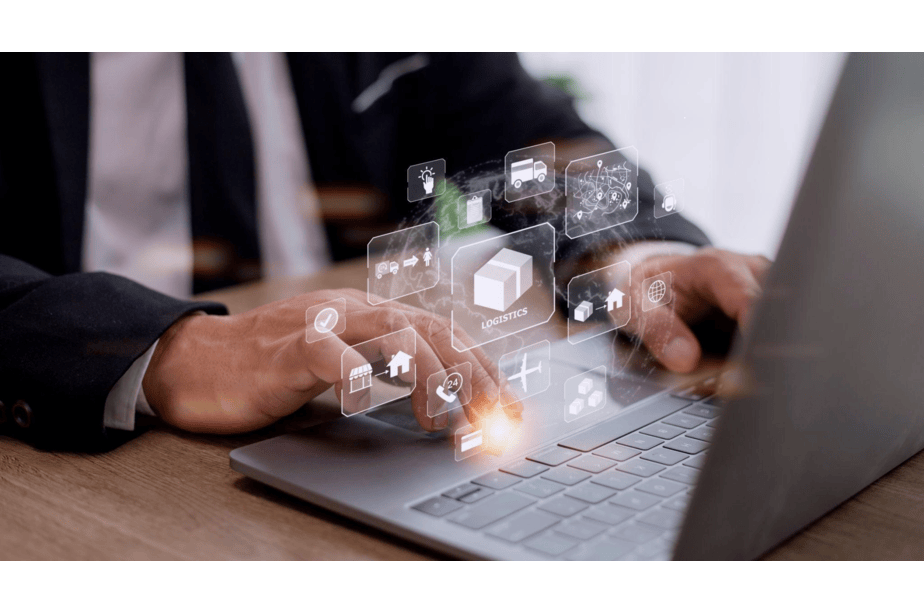
Every technology investment serves a different purpose within the relocation business. Some platforms help attract and convert customers, while others improve operational efficiency after a move has been booked. The journey often begins with lead management, making CRM software one of the most important tools for growing moving companies.
Moving Company Software: CRM Tools to Capture Every Lead
A moving company may spend thousands of rupees every month generating leads through Google Ads, referrals, marketplaces, and social media. Yet many enquiries never receive timely follow-ups.
Industry consultants frequently identify lead leakage as one of the biggest operational challenges among growing relocation businesses. When customer information is scattered across WhatsApp chats, spreadsheets, notebooks, and email inboxes, opportunities are often lost before a quotation is even issued.
A CRM centralises every enquiry, tracks follow-ups, records survey appointments, and provides visibility into conversion rates.
Recommended platforms include:
- Zoho CRM
- HubSpot CRM
- Salesforce
- Freshsales
The software itself is not the advantage. The consistency created by modern moving company software is. Businesses that systematically follow up on enquiries are often better positioned to improve conversion rates and reduce missed opportunities.
Winning new business is only the first step. Once a move is confirmed, operational execution becomes the priority. Transportation management plays a central role in that process, making fleet visibility a critical area for technology investment.
Fleet Management Software: Improving Vehicle Visibility
For most packers and movers, transportation represents one of the largest operating expenses. Yet many business owners still rely on phone calls and driver updates to understand where vehicles are, how efficiently they are being used, and whether deliveries are running on schedule.
As operations expand across cities and regions, maintaining visibility becomes increasingly difficult. Fleet management software, often integrated with modern moving company software, helps bridge that gap by providing real-time tracking and operational insights.
Popular platforms include:
- Fleetx
- LocoNav
- GPS Trackit
- Samsara
These solutions help businesses:
- Monitor vehicle locations
- Track fuel usage
- Improve driver accountability
- Reduce unauthorized vehicle use
- Improve delivery accuracy
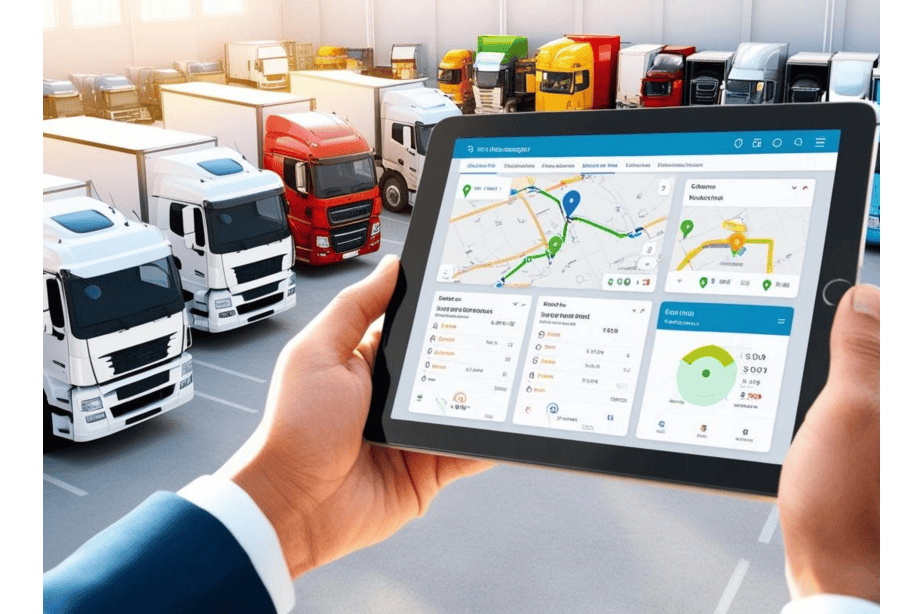
Fleet management software provides real-time tracking and operational insights. Knowing where vehicles are located is valuable, but visibility alone does not guarantee efficiency. Moving companies must also ensure that vehicles follow the most effective routes to control fuel costs, improve productivity, and maintain delivery schedules.
- Route Optimization Software: Reducing Time and Fuel Costs
Traffic congestion, inefficient planning, and last-minute route changes can increase transportation expenses.
For many moving companies, profitability depends not only on the number of jobs completed but also on how efficiently vehicles are utilized. Poor route planning can result in unnecessary fuel consumption, delayed deliveries, and lower fleet productivity.
Route optimization software uses intelligent algorithms to determine the most efficient routes.
Popular solutions include:
- Onfleet
- Routific
- Tookan
- OptimoRoute
Benefits include:
- Reduced fuel consumption
- Faster deliveries
- Better vehicle utilization
- Lower operational costs
- Improved customer satisfaction
In a business where transportation costs represent a major expense, route optimization can directly impact profitability.
While transportation often receives the most attention, the items being moved remain at the heart of every relocation project. Accurate inventory management helps moving companies maintain accountability and reduce the risk of disputes throughout the relocation process.
Inventory Management Software: Reducing Claims and Disputes
Inventory management remains one of the most overlooked aspects of relocation operations, even though it is a critical feature of modern moving company software.
For customers, one missing item can overshadow an otherwise successful move. For moving companies, inventory disputes often lead to customer complaints, compensation claims, and reputational damage.
Digital inventory systems, often included within moving company software, create an auditable record of items throughout the relocation process. Teams can document belongings during packing, track movement during transit, and verify delivery at the destination.
Platforms such as:
- Zoho Inventory
- Odoo Inventory
- Sortly
allow businesses to create digital inventories, monitor item movement, and improve accountability throughout the moving process.
Furthermore, digital inventory systems also simplify claims management, reduce disputes, and provide greater transparency for both customers and operations teams.
As customer expectations continue to rise, maintaining accurate inventory records is becoming an essential component of professional relocation services.
Operational excellence begins long before packing crews arrive at a customer’s location. The quotation process often shapes first impressions and can influence whether an enquiry becomes a confirmed booking.
Digital Survey and Quotation Platforms
A quotation is often the first real interaction a customer has with a moving company. Delays, inaccurate estimates, or incomplete surveys can create a poor first impression and sometimes result in lost business.
Traditionally, surveyors relied on handwritten notes, manual calculations, and multiple follow-up conversations to prepare estimates. Digital survey and quotation tools simplify this process by standardizing data collection and reducing the time required to generate accurate quotations.
Popular platforms include:
- Jotform
- Typeform
- SurveyMonkey
- Google Forms
These tools help businesses:
- Conduct structured surveys
- Capture customer requirements
- Generate faster quotations
- Standardize data collection
Faster and more accurate quotations not only improve customer experience but can also increase the likelihood of converting enquiries into confirmed bookings.
As businesses adopt more digital tools, managing multiple systems can become a challenge in itself. Many relocation companies eventually look for ways to consolidate their technology stack and reduce operational complexity.
All-in-One Moving Company Software Platforms
Many relocation businesses begin their digital journey by using separate tools for sales, quotations, dispatch, inventory tracking, customer communication, and invoicing.
While this approach may work initially, managing multiple disconnected systems often becomes increasingly difficult as operations scale.
Specialized moving company software is designed specifically for relocation businesses and combines several operational functions into a single platform.
Examples include:
- Movegistics
• SmartMoving
• Supermove
• MoveitPro
These platforms typically offer:
- Lead management
- Digital estimates and quotations
- Crew scheduling
- Dispatch management
- Inventory tracking
- Customer communication
- Business reporting
Rather than switching between multiple applications, relocation companies can manage the entire customer journey from enquiry to delivery within one system.
For growing packers and movers companies, specialized moving software can provide a more streamlined and scalable operational foundation than relying solely on standalone tools.
Technology is not only about managing vehicles, inventories, and quotations. Effective relocation operations also depend on how well information flows between teams, partners, and customers.
Communication and Collaboration Tools
Operational challenges in the relocation industry are not always caused by vehicle breakdowns or scheduling conflicts. In many cases, problems arise because critical information fails to reach the right people at the right time.
A sales executive may confirm a move, but the operations team may not receive updated requirements. Drivers may need route instructions, while customers expect timely updates about pickup and delivery schedules. Without effective communication systems, information gaps can quickly lead to delays, misunderstandings, and customer dissatisfaction.
Communication and collaboration tools, often integrated into modern moving company software, help keep sales teams, operations managers, field crews, drivers, and customers connected throughout the relocation process.
Popular tools include:
- WhatsApp Business
- Microsoft Teams
- Google Workspace
- Slack
These platforms help businesses:
- Share updates in real time
- Coordinate between departments
- Manage internal communication efficiently
- Improve response times
- Keep customers informed throughout the move
As relocation operations become more complex, strong communication systems are increasingly becoming a competitive advantage. Companies that communicate clearly and consistently are often better positioned to deliver smoother customer experiences and resolve issues before they escalate.
Behind every successful move lies a complex financial process involving quotations, invoices, vendor payments, taxes, and profitability tracking. Managing these functions efficiently is essential for long-term business growth.
Accounting and Financial Management Software
As moving companies grow, managing invoices, vendor payments, GST compliance, fuel expenses, and receivables becomes increasingly complex. Without accurate financial records, it becomes difficult to understand job profitability or maintain healthy cash flow.
Modern accounting platforms help streamline financial management while reducing administrative workload.
Popular options include:
- TallyPrime
- Zoho Books
- QuickBooks
- Xero
These tools help moving companies:
- Generate invoices quickly
- Monitor receivables
- Track profitability
- Manage taxation requirements
For moving companies operating across multiple jobs and locations, accurate financial reporting provides a clearer understanding of profitability, cash flow, and operational performance.
Even when operations run smoothly, customers often have questions and concerns throughout the relocation journey. Providing timely and professional support can significantly influence customer satisfaction and brand reputation.
Customer Support Platforms
Relocation is often a stressful experience for customers. Questions about schedules, transit status, delivery timelines, and documentation can arise at every stage of the move.
Customer support platforms help relocation businesses manage these interactions more efficiently while ensuring enquiries do not fall through the cracks.
Popular tools include:
- Freshdesk
- Zendesk
- Zoho Desk
Benefits include:
- Faster issue resolution
- Improved service quality
- Better customer satisfaction
- Organized support workflows
Strong customer support often becomes a key differentiator in competitive markets.
Modern relocation businesses generate a large volume of documentation. Without organized systems for storing and accessing records, administrative inefficiencies can quickly accumulate.
Document Management Systems
Every relocation generates a trail of important documents, including quotations, contracts, inventories, invoices, insurance records, and delivery confirmations. Managing these files manually can create delays, increase the risk of misplaced records, and complicate dispute resolution.
Document management systems provide a centralized location for storing, organizing, and accessing critical information throughout the relocation process. This not only improves document accessibility but also reduces administrative effort and supports compliance requirements.
Document management platforms such as:
- Google Drive
- Microsoft SharePoint
- Dropbox Business
help businesses organize and secure important information.
Digital documentation also improves compliance and operational efficiency.
As digital systems become more integrated, relocation companies gain access to valuable operational data. The challenge then shifts from collecting information to turning it into actionable insights.
Business Intelligence and Reporting Tools
Every relocation business generates valuable operational data. Lead enquiries, conversion rates, vehicle utilization, customer acquisition costs, and job profitability all provide insights into business performance. However, many companies struggle to convert that information into actionable decisions.
Business intelligence platforms help transform raw operational data into meaningful insights that support planning and growth.
Popular platforms include:
- Microsoft Power BI
- Tableau
- Looker Studio
These solutions help managers track:
- Revenue trends
- Lead conversion rates
- Vehicle utilization
- Customer acquisition costs
- Operational performance
Instead of relying on intuition alone, managers can use the operational data generated by moving company software to identify trends, improve resource allocation, and uncover opportunities for efficiency improvements.
Technology does not only improve operational efficiency. It can also help relocation businesses attract, nurture, and convert more customers through structured marketing and communication strategies.
Marketing Automation Platforms
For many packers and movers, business growth depends on maintaining a consistent flow of enquiries. However, manually following up with every website visitor, referral lead, or past customer can quickly become difficult as volumes increase.
Marketing automation platforms help businesses nurture leads, automate communication, and maintain engagement throughout the customer journey.
Popular tools include:
- HubSpot Marketing
- Mailchimp
- Zoho Campaigns
These platforms allow companies to:
- Automate email marketing
- Capture website leads
- Run targeted campaigns
- Track marketing performance
For relocation businesses looking to generate a consistent pipeline of enquiries, marketing automation can help turn one-time website visitors into long-term customers.
Emerging technologies are now pushing the industry beyond automation and into a new phase of intelligent decision-making. Artificial intelligence is becoming one of the most closely watched developments in logistics and relocation management.
How Moving Company Softwares Are Using AI
Artificial intelligence is moving beyond experimentation and becoming a practical business tool across logistics and relocation operations.
What began as simple chatbots and automation workflows is now evolving into systems capable of supporting decision-making, forecasting demand, optimizing routes, and improving customer communication.
For packers and movers, AI applications are becoming increasingly relevant in areas such as:
- Automated quotation generation
- Customer service chatbots
- Virtual pre-move surveys
- Predictive scheduling
- Demand forecasting
- Route optimization
- Customer sentiment analysis
- Automated documentation
The biggest advantage of AI is not replacing people. It is helping teams work faster and make better decisions.
For example, AI-powered route planning tools can analyze traffic conditions, delivery schedules, vehicle availability, and route history to identify more efficient transportation plans. Similarly, AI-assisted customer support systems can answer routine enquiries instantly while allowing staff to focus on higher-value interactions.
As adoption grows across the logistics sector, relocation businesses that begin experimenting with AI today may gain operational advantages in efficiency, responsiveness, and customer experience over the coming years.
Example: How Technology Improves Moving Operations
Consider a growing relocation company managing 150–200 moves each month across multiple cities.
Without integrated technology, teams often rely on spreadsheets, phone calls, and manual record-keeping to manage enquiries, vehicle assignments, inventories, and customer communication. As operations expand, maintaining visibility becomes increasingly difficult.
A company using a CRM for lead management, fleet management software for vehicle tracking, inventory software for asset visibility, and business intelligence tools for reporting can centralize operational data and improve decision-making.
The result is not necessarily fewer employees or fewer vehicles. Instead, it is greater operational control, faster response times, improved customer communication, and a stronger foundation for future growth.
How Technology Creates a Competitive Advantage
Technology alone does not guarantee success. Customer service, operational discipline, trained teams, and execution remain critical to long-term growth.
However, technology provides the infrastructure that enables businesses to scale those strengths more effectively.
Companies that successfully integrate digital tools into their operations are often able to:
- Respond to enquiries faster
- Improve operational visibility
- Reduce administrative workload
- Control transportation and fuel costs
- Enhance customer communication
- Make more informed business decisions
As competition continues to increase, these advantages can have a meaningful impact on both customer satisfaction and profitability.
Technology Will Define the Next Generation of Moving Companies
For decades, success in the relocation industry has depended on operational excellence, customer trust, and the ability to deliver belongings safely and on time. Those fundamentals remain unchanged.
What has changed is how moving companies manage the increasingly complex journey between enquiry and delivery.
Customers now expect faster quotations, real-time updates, digital documentation, and greater transparency throughout the relocation process. Meeting those expectations consistently is becoming difficult without the support of modern technology.
From CRM platforms that prevent missed enquiries to fleet management systems that improve visibility and AI-powered tools that streamline planning, technology is increasingly shaping how relocation businesses compete and grow.
The industry’s future will not be defined solely by fleet size or geographic reach. It will be shaped by how effectively companies combine operational expertise with digital capabilities to create smoother, more predictable customer experiences.
For packers and movers, technology is no longer a secondary investment. It is becoming a core part of delivering better service, improving efficiency, and building a business that can scale in an increasingly competitive market.