
Planning a long-term move is rarely just about packing boxes. Perhaps moving cities for work, aiming to study abroad, or a temporary move while home renovations are underway, or while caregiving- whatever the reason, there is that one important question to follow:
Do I take everything with me, or do I put some of it into storage?
Usually, that decision tends to be more personal than logistical. It’s not just a choice between a moving truck and a warehousing facility. It’s about deciding what to carry along with you moving forward and what to leave behind, balancing that between certainty and flexibility. Both choices have their advantages; however, having a clear understanding of your situation could save you time, money, and stress.
When a Full Move Makes the Most Sense
If the long-term move is to be considered permanent, say, for instance, if one moves into a new city with the family to start a new job with housing arranged, or one is moving abroad without any return in the near term, then perhaps a full move would be an ideal option.
Relocating an entire home ensures that you are set amidst your furniture, apart from other appliances and comforts you have known, for the next leg of your life. Besides, you would not want to have to remotely manage the items in storage or pay for storage fees that accrue month after month (or actually years on end). For families with children or elderly people, an all-inclusive setup brings some degree of emotional comfort with it and routine.
Most movers and packers, which represent end-to-end full relocation, coordinate insurance, unpacking, and installation. This way, if your move is long-term and straightforward, this route reduces post-shift logistical headaches.
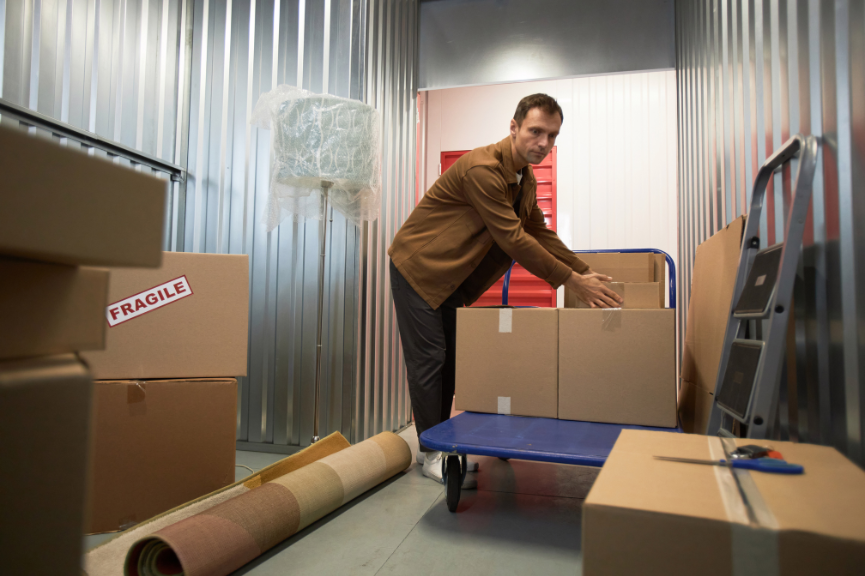
Why Storage Is Sometimes the Smarter Choice
If your move is to be temporary, indefinite, or location-fluid, say you’ll be going abroad for a short contract, relocating for an internship, extensively traveling, or renovating your home, then looking for storage might be the sensible choice to make.
Storage of your things allows you the freedom of traveling light without the bother of moving everything, especially those huge furnishings or sentimental things that you surely won’t need soon. It offers you the leeway to play with plans, especially when your destination housing is still being worked out or you’re unsure how long you’ll be gone.
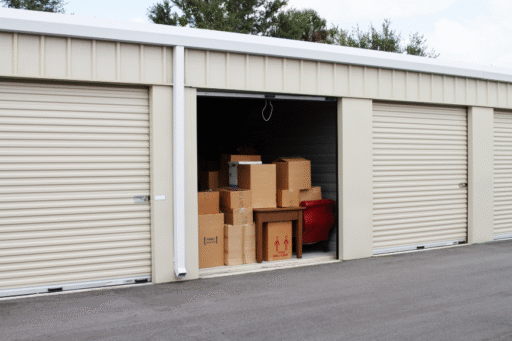
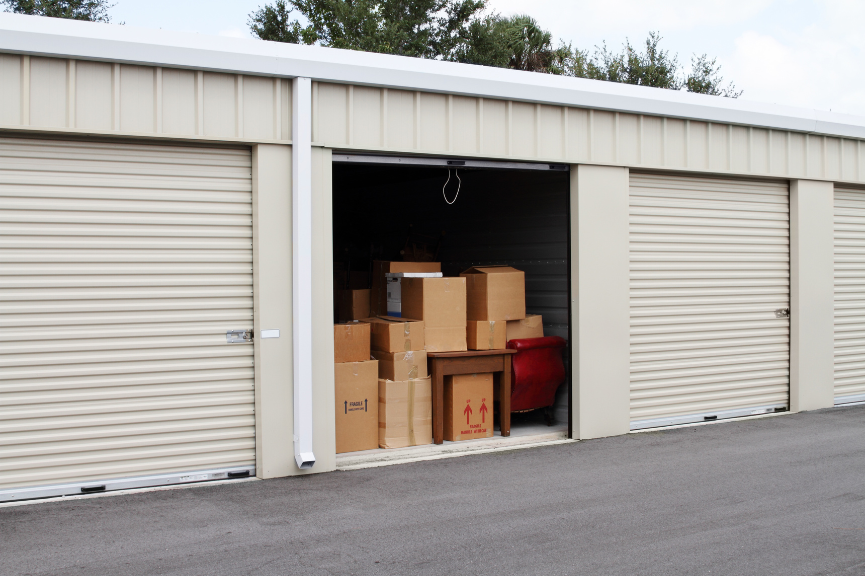
Today, the storage services in India are far more advanced than they used to be. Climate-controlled warehouses, 24-hour surveillance, itemized inventory, and pick-and-drop from your home to the warehouse are some services being offered by many companies. Some even offer individual lockers, and you can visit by appointment, making it perfect for either short-term or long-term storage.
And, let’s not forget: storage might cost less than you imagine, more so if it involves the unnecessary moving of big-goods across states or borders.
Balancing Cost, Convenience & Clarity
Decision-making in a long-term relocation scenario depends on much more than the logistics of a full move or storage. It indeed touches upon the realm of lifestyle and peace of mind.
Ask yourself:
- Will I need these items at my new location immediately?
- Is this move permanent, or is there a return date (even if it’s tentative)?
- Can I afford to store vs. move vs. replace things later?
- Am I okay managing stored items remotely?
If your answer leans toward uncertainty or short-term absence, storage gives you flexibility. If you’re settling into a stable, long-term setup, a full move may be worth the one-time effort.
And for those who fall somewhere in between? Some companies offer hybrid solutions—where essentials are moved and the rest is placed in safe storage until you’re ready. It’s not always all or nothing.
Know What You Need, Then Decide
At the heart of long-term relocation is making room for change-physically and mentally. Choosing between a storage facility and a full move is part of preparing yourself for that change.
So do take your time to consider your lifestyle, budget, and plans for the future before choosing. Speak to relocation experts who provide both options and understand how to tailor a solution for you.
The goal remains identical-whether you store it or move it for a smooth and sensible transition to your future life.