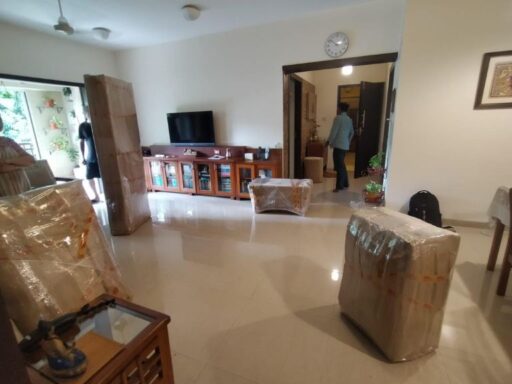



Every year, millions of Indians pack their lives into cartons and move cities.
Some move for jobs. Some for better rent. Some simply want a better lifestyle.
But 2026 looks different.
The pattern of home shifting in India is changing- and the reasons are no longer limited to just “new job, new city.”
Based on industry movement trends, relocation enquiries, housing data, and logistics activity, one thing is clear:
India is on the move- but not in the way it used to be.
The Big Shift: Migration Is No Longer Metro-Only
For a long time, Indian relocation followed a familiar path:
Small town → Big metro.
In 2026, that pattern is breaking.
While metros still attract talent, many people are now moving out of metros as well. Rising rents, traffic fatigue, and flexible work options are changing priorities.
Today’s relocation story is more balanced:
Metro to Tier-2 cities
Tier-2 to Tier-1 for selective roles
City to city, not just village to city
This two-way movement is reshaping the relocation industry.
Cities Seeing the Highest Home Shifting Activity in 2026
Bengaluru: Still a Magnet, But with a Twist
Bengaluru continues to attract professionals, especially in tech, AI, and startup roles.
However, many movers are now choosing outer areas and nearby towns rather than central locations.
The reason is simple: cost and space.
Hyderabad: Stable Growth, Lower Stress
Hyderabad remains a favourite for IT, pharma, and corporate roles.
Compared to other metros, it offers:
Relatively affordable housing
Better commute predictability
Growing peripheral residential hubs
This makes it attractive for families relocating with children.
Pune: The Work-Life Balance City
Pune is seeing strong inbound movement from:
Mumbai
Delhi-NCR
Bengaluru
Professionals moving here often cite quality of life as the key reason, not just salary.
Delhi-NCR: High Churn, High Volume
Delhi-NCR continues to record one of the highest relocation volumes, but also one of the highest churn rates.
People move in for jobs- and move out due to:
Pollution
Long commutes
High rental escalation
This creates constant demand for relocation services, both inbound and outbound.
Tier-2 Cities Are the Real Story of 2026
Cities like:
Indore
Coimbatore
Jaipur
Kochi
Lucknow
Chandigarh
We are seeing a sharp rise in home shifting.
Why?
Because they offer:
Lower rents
Decent infrastructure
Growing local job markets
Better lifestyle value
Many remote and hybrid workers are choosing these cities over metros.

Remote Work Is Redefining Relocation Decisions
Remote work is no longer a temporary trend.
In 2026, it will be a permanent part of how India works.
This has changed relocation behaviour in three key ways:
People move closer to family
Many professionals are relocating back to their home states while keeping metro-level salaries.Lifestyle-first moves
Hill towns, coastal cities, and smaller urban centres are seeing increased demand.Shorter notice relocations
Remote work allows quicker decisions- moves that happen in weeks, not months.
For movers, this means:
More frequent small-volume moves
Higher inter-city demand
Less predictable seasonality
Job Hotspots Still Drive a Large Share of Moves
While remote work matters, job-linked relocation has not disappeared.
In fact, it has evolved.
2026 job hotspots include:
Tech and data roles in Bengaluru, Hyderabad
Manufacturing corridors in Tamil Nadu, Gujarat, and Maharashtra
Warehousing and logistics hubs near NCR, Mumbai, Pune
Startup and services growth in Tier-2 cities
Unlike earlier years, job relocations now include entire families, not just individuals.
Rising Rents Are Forcing Faster Decisions
One major driver behind relocation in 2026 is housing cost pressure.
In many metros:
Annual rent hikes have crossed comfort levels
Deposit amounts have increased
Space has reduced
As a result, people are:
Moving earlier than planned
Exploring alternate cities
Choosing suburbs or satellite towns
For movers, this translates into:
More last-minute enquiries
Budget-sensitive customers
Demand for flexible pricing
What This Means for the Relocation Industry
The 2026 home shifting pattern brings both opportunity and challenge.
Movers are seeing:
Higher inter-city movement
Growth in Tier-2 and Tier-3 routes
Smaller household shipments
Increased customer awareness
Customers now ask more questions.
They compare services.
They expect transparency.
Relocation is no longer just transport- it is a service experience.
India Is Moving Smarter
The Indian home shifting story in 2026 is not about chaos.
It is about choice.
People are choosing:
Where they live
How they work
What lifestyle do they want
And every choice creates a move.
For movers, understanding where India is moving- and why is the first step to staying relevant in the years ahead.