

Ask any mover what the biggest problem in relocation is, and the answer is almost always the same: delays.
Traffic jams, route diversions, late loading, wrong vehicle sizes, and unexpected stops turn even a simple move into a long day. For customers, delays mean stress. For movers, they mean higher fuel costs and unhappy clients.
This is where Artificial Intelligence (AI) is quietly changing how moving companies operate.
Not through robots or flashy tech- but through smarter decisions made before the truck even starts moving.
What Predictive Routing Really Means (In Simple Terms)
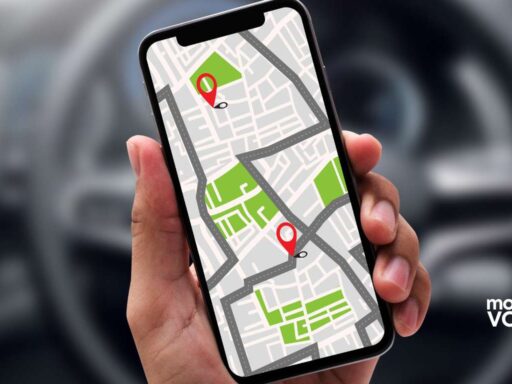
Predictive routing is about choosing the best route before problems occur, not after.
AI systems look at:
Historical traffic patterns
Time-of-day congestion
Road restrictions
Weather conditions
Past delivery times
Using this data, the system predicts which route is most likely to be faster and smoother, even if it is not the shortest.
This helps movers avoid delays before they happen.
How AI Helps Movers Choose Better Routes
Traditional route planning depends on driver experience or basic GPS apps. These tools react to traffic only after it happens.
AI works differently.
It learns from thousands of past trips.
It understands patterns- like which roads always slow down after 6 PM or which highways get blocked during certain seasons.
As a result:
Trucks spend less time stuck in traffic
Fuel consumption reduces
Delivery timelines become more reliable
Customers feel the difference immediately.
Smarter Load Matching Means Fewer Wasted Trips
One common problem in relocation is empty or half-filled trucks.
AI-powered systems can match:
Multiple partial shipments
Similar routes
Compatible delivery timelines
This is called load matching.
By grouping shipments intelligently, movers can:
Reduce empty returns
Increase revenue per trip
Offer lower prices to customers
It also supports shared-load models, which are becoming popular for inter-city moves.
Dynamic Pricing: Fair for Customers, Sustainable for Movers
Not every move costs the same.
Traffic, fuel prices, demand, season, and route difficulty all affect the final cost. AI helps movers calculate pricing based on real conditions, not guesswork.
This is known as dynamic pricing.
For customers, it means:
Transparent pricing
Fewer surprise charges
Fair cost based on actual effort
For movers, it protects margins during high-demand periods without overcharging.
AI Reduces Human Error in Planning
Many delays happen because of small planning mistakes:
Wrong vehicle size
Incorrect route selection
Poor time estimation
AI tools reduce these errors by:
Suggesting the right truck for the load
Estimating loading and unloading time
Flagging risky routes in advance
This allows operations teams to focus on execution instead of constant firefighting.
Drivers Benefit Too
AI is not just helping companies- it helps drivers as well.
With better route planning:
Driving hours become more predictable
Stress reduces
Fuel efficiency improves
Fewer last-minute changes occur
Happy drivers lead to smoother moves.

Customers See Fewer Delays, More Updates
From the customer’s point of view, AI-powered routing shows up as:
On-time pickups
Accurate delivery windows
Live tracking updates
Fewer excuse calls
Customers may not know AI is involved- but they definitely feel the improvement.
Why AI Adoption Is No Longer Optional
As competition increases, customers compare movers not just on price, but on reliability.
Companies using AI-driven planning:
Complete more moves per day
Handle complex routes better
Scale operations faster
Build stronger trust
Those who ignore it risk falling behind, especially in inter-city and shared-load segments.
AI Is the Silent Partner in Modern Moving
AI does not replace human judgment- it strengthens it.
For movers, predictive routing and smart planning mean fewer delays and happier customers.
For customers, it means peace of mind.
In the future, the most successful relocation companies will not be the ones with the biggest fleets- but the ones with the smartest routes.