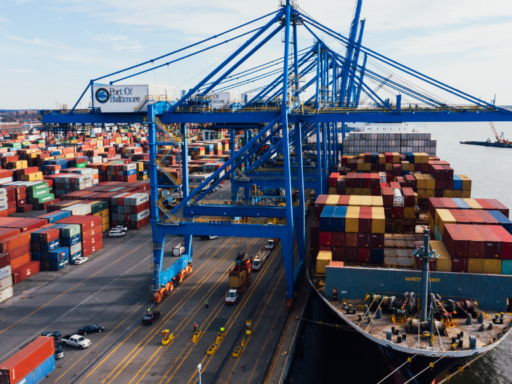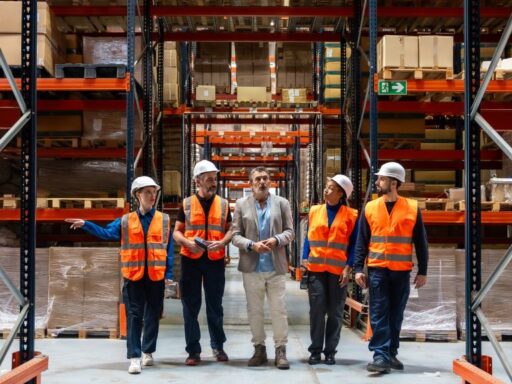



For years, moving across cities in India meant one thing: uncertainty.
A truck could take three days or six.
Delivery windows shifted.
Drivers waited at choke points.
Customers waited at the destination, unsure when their belongings would arrive.
In 2026, that uncertainty is slowly disappearing.
India’s focus on logistics-centric road planning, through expressways, access-controlled highways, and dedicated freight corridors, is quietly redefining how fast and predictable relocation services can be.
What Are Controlled Corridors (In Simple Words)
Controlled corridors are roads designed for smooth, uninterrupted movement.
They usually have:
- Limited entry and exit points
- Fewer traffic signals
- Dedicated service lanes
- Better enforcement and monitoring
Think of them as highways built not just for cars, but for freight efficiency.
For relocation trucks, this is a game-changer.
Why India Is Building Roads for Logistics, Not Just Travel
India’s road expansion is no longer only about connecting cities; it’s about reducing logistics time and cost.
Delays increase:
- Fuel usage
- Driver fatigue
- Damage risk
- Customer dissatisfaction
By building logistics-focused corridors, the goal is simple:
Move goods faster, safer, and more predictably.
Relocation benefits directly from this shift.
How New Highways Change Relocation Speeds
With controlled-access highways:
- Trucks can maintain a consistent speed
- Overnight halts reduce
- Driver shifts are better planned
- Delivery timelines become accurate
What once took four days may now take two, with fewer surprises.
For customers, this means clear delivery windows, not vague promises.
Reliability Matters More Than Speed
Speed is important, but reliability matters more.
Expressways reduce:
- Sudden route diversions
- Unplanned city traffic entry
- Local congestion delays
This helps movers commit to realistic timelines and honour them.
In relocation, trust grows when time estimates are kept.
What This Means for Pricing & Commitments
When routes are predictable, pricing becomes more rational.
Movers can:
- Estimate fuel accurately
- Plan driver shifts
- Reduce buffer charges
This lowers the need for hidden cushions in quotes.
Customers benefit from cleaner, more transparent pricing.

Safety Improves for Goods & Drivers
Controlled corridors are safer.
Fewer stops mean:
- Less load shifting
- Reduced theft risk
- Lower accident exposure
For fragile or high-value household items, smoother roads reduce transit stress.
For drivers, better road conditions improve working hours and rest cycles.
Planning Becomes the New Advantage
In the past, success depended on “knowing the road.”
In 2026, success depends on:
- Route planning
- Corridor access awareness
- Timing entry and exits
- Digital navigation integration
Relocation becomes a planning business, not just transport.
What Customers Will Start Expecting
Customers will notice:
- Narrower delivery windows
- Faster intercity moves
- Fewer last-minute excuses
- Better tracking accuracy
“Traffic tha” will no longer explain everything.
Roads Are Doing More Than Connecting Cities
India’s expanding highways and controlled corridors are doing something deeper, they are bringing discipline to movement.
For relocation services, this means:
- Faster moves
- Reliable promises
- Safer deliveries
- Better customer confidence
In 2026, relocation speed won’t be defined by how fast a truck can drive, but by how intelligently the road network supports it.
And that changes everything.