

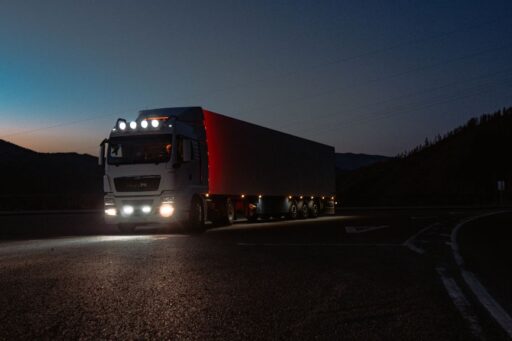
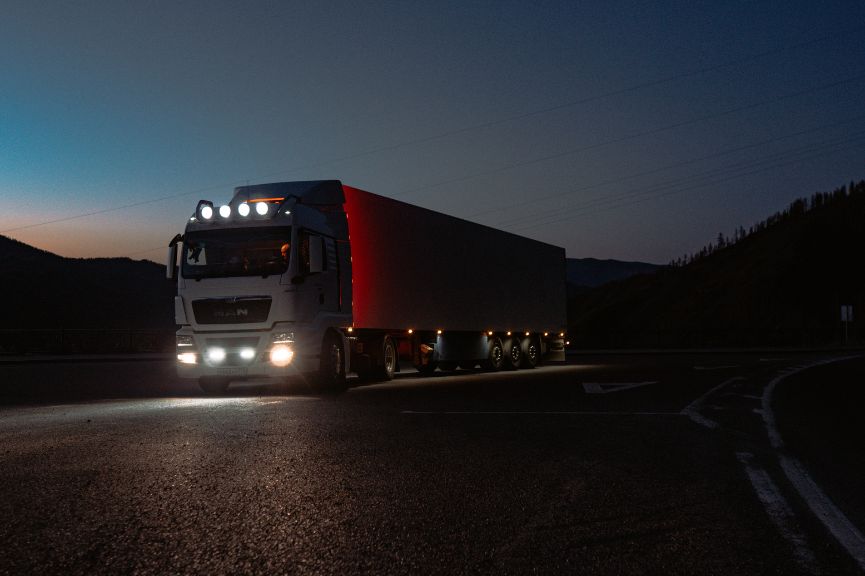
India’s cities are evolving at a pace we’ve never seen before. Urban expansion, rising vehicle ownership, and the explosive growth of e-commerce have made daytime logistics increasingly difficult. For movers and logistics companies, navigating crowded streets during peak hours often feels like fighting a losing battle.
This is where the idea of “night logistics” comes in, shifting freight movement to late-night hours when roads are relatively empty. On paper, it sounds like a smart and efficient solution. In reality, however, the story is far more layered.
What Is Night Logistics and Why Is It Gaining Attention?
Night logistics refers to the movement of goods during late evening or overnight hours, especially in urban areas where heavy vehicles face restrictions during the day. Many Indian cities already impose entry bans on trucks during peak hours, pushing logistics operators toward nighttime operations.
With initiatives like the National Logistics Policy and PM GatiShakti, the government is actively working to improve supply chain efficiency and reduce logistics costs. Night operations are increasingly being seen as a practical extension of these efforts.
Globally, several developed economies have already adopted this model successfully. India, too, is slowly experimenting with it, but the transition is not as seamless as it may seem.
The Opportunity: Faster Deliveries and Lower Costs
At first glance, night logistics offers undeniable advantages for movers.
With reduced traffic congestion, trucks can cover longer distances in less time. This directly translates into quicker deliveries and better vehicle utilization. Fuel consumption also drops when vehicles spend less time idling in traffic, which can significantly reduce operational costs.
India’s logistics cost is still estimated to be around 13-14% of GDP, much higher than global benchmarks. Any improvement in efficiency can have a substantial economic impact.
For sectors like e-commerce and express logistics, night movement could be a game-changer. Faster turnaround times and improved reliability could enhance customer satisfaction and give companies a competitive edge.
The Reality Check: Where the Challenges Begin
While the benefits are attractive, the ground reality tells a different story.
For movers, operating at night introduces a completely new set of challenges. One of the biggest concerns is workforce availability. Drivers and laborers are often reluctant to work night shifts unless compensated with higher wages and incentives. This increases operational costs rather than reducing them.
There are also regulatory and compliance considerations. Labor laws and safety requirements become stricter for night operations, especially when it comes to employee welfare and transportation.
What looks efficient on paper can quickly become complicated in practice.
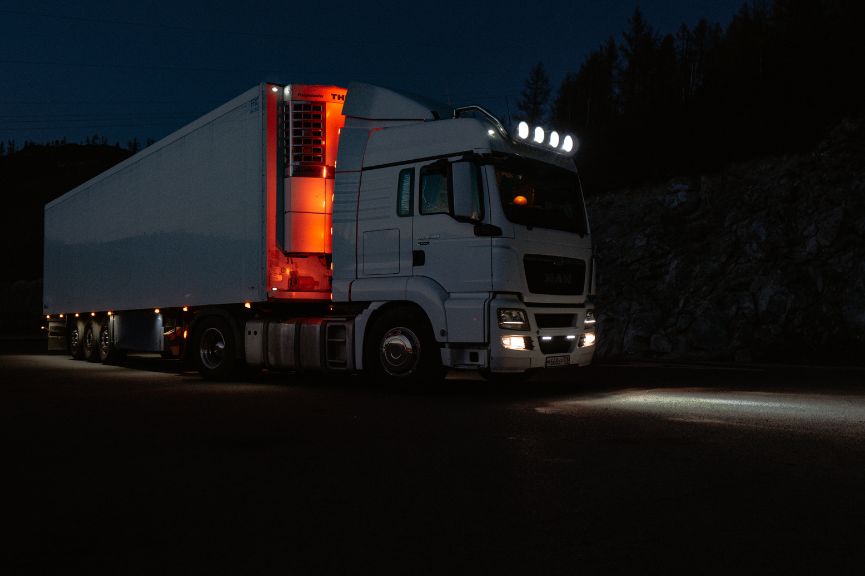
Policy Gaps and City-Level Confusion
Another major hurdle is the lack of a uniform policy across cities.
In India, logistics rules are often city-specific. Entry timings, permit requirements, and enforcement practices vary widely from one location to another. For movers operating across multiple cities, this creates confusion and inefficiencies.
Instead of a streamlined system, companies often find themselves juggling different sets of rules, making planning and execution more difficult. The absence of a standardized national framework for night logistics limits its effectiveness.
Infrastructure: The Missing Piece
Even if roads are clear at night, the rest of the logistics ecosystem is not always ready.
Many warehouses and distribution centers in India do not operate 24/7. Loading and unloading facilities may not be available during late hours. In some residential areas, local restrictions prevent nighttime deliveries due to noise concerns.
This creates a disconnect. Trucks may reach their destination faster, but delays at the final stage can cancel out the time advantage gained on the road.
India’s logistics sector is still evolving, and without synchronized infrastructure, night logistics cannot reach its full potential.
Safety and Risk Factors
Safety is another critical concern that cannot be ignored.
Night operations come with higher risks of cargo theft, especially in less secure or remote areas. Driver fatigue is also a serious issue, increasing the likelihood of accidents. Emergency response systems are not always as efficient at night, adding to the risk.
For movers, this means higher insurance costs and greater operational uncertainty. Managing these risks requires investment in technology, monitoring systems, and training, again adding to costs.
The Road Ahead: A System, Not Just a Policy
For night logistics to truly succeed in India, it cannot function in isolation. It needs to be part of a larger, integrated logistics ecosystem.
Government initiatives like digital logistics platforms, multimodal transport networks, and infrastructure upgrades are steps in the right direction. However, these need to align with night operations to create a seamless system.
Private players also need to adapt by investing in technology, workforce management, and safety measures. Only then can the benefits of night logistics be fully realized.
Opportunity or Nightmare?
The answer is not black-and-white.
In the short term, night logistics can feel like an operational burden for movers, bringing higher costs, coordination challenges, and safety concerns. But in the long run, it holds the potential to transform India’s logistics landscape.
For movers willing to adapt and innovate, it can become a powerful advantage. For those unprepared, it may indeed turn into an operational nightmare.
The real question is not whether night logistics will grow, but whether the industry is ready to evolve with it.