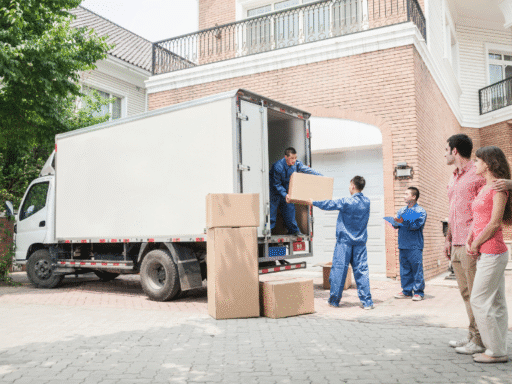



At first glance, moving looks like a physical task: pack your belongings, hire movers, and shift to a new place. But anyone who has experienced relocation knows it goes far beyond logistics. Moving is often ranked among the most stressful life events, sometimes placed alongside major life changes like divorce or job loss. That’s because relocation is not just about changing your address. It’s about stepping out of a familiar life and into the unknown. And psychologically, that’s a big deal.
The Brain Doesn’t Like Change
One of the biggest reasons moving feels overwhelming is simple: our brains are wired for stability. Humans thrive on routine. Familiar routes, daily habits, and known environments create a sense of control. When you move, all of that disappears overnight. Your brain suddenly has to process new surroundings, new layouts, and new patterns, which increases mental load and stress. This disruption often triggers the release of stress hormones like cortisol, making you feel anxious even if the move is for a positive reason.
The Emotional Weight of Leaving “Home”
We don’t just live in our homes; we attach meaning to them. A house holds memories, milestones, and a sense of identity. Leaving it behind can feel like losing a part of yourself. Psychologically, this creates a sense of grief, even when the move is voluntary.
You’re not just packing furniture. You’re packing moments, birthdays, routines, quiet evenings, and everything that made the space feel like “yours.”
This emotional layer is often invisible, but it’s one of the biggest reasons relocation feels heavy.
Fear of the Unknown
Even when a move promises better opportunities, it comes with uncertainty. A new city means new people, new systems, and new challenges. Simple things, like finding a grocery store or navigating traffic, suddenly require effort. This uncertainty creates anxiety because the future feels unpredictable. Psychologically, humans prefer predictability. When that disappears, the mind shifts into a state of alertness, which can feel like stress.

The Overload: Too Much, All at Once
Moving is one of the few life events where everything happens simultaneously.
You’re:
- Making hundreds of decisions
- Managing logistics
- Handling finances
- Dealing with emotional transitions
This leads to what psychologists call cognitive overload, when your brain is dealing with more information than it can comfortably process. As a result, even small decisions, like what to pack first, can feel exhausting. This is why people often feel drained during a move, even before the actual moving day arrives.
The Hidden Stress of Expectations vs Reality
Many people underestimate how demanding relocation actually is. They expect a smooth transition, but the reality often involves delays, unexpected costs, and last-minute changes. This gap between expectation and reality becomes a major source of frustration. When things don’t go as planned, stress levels rise quickly, making the entire experience feel overwhelming.
Social Disconnection and Loneliness
Moving doesn’t just change your environment; it changes your social world. You leave behind neighbors, friends, and familiar faces. Building a new social circle takes time, and during that transition, people often feel isolated.
Research shows that relocation involves not just physical adjustment but also rebuilding relationships and support systems, which can significantly contribute to stress. Even in a new and exciting place, loneliness can quietly creep in.
Financial Pressure Adds Another Layer
Relocation is rarely cheap. From hiring movers and paying deposits to setting up utilities and buying new essentials, the costs add up quickly. Financial uncertainty adds another layer of stress, especially when expenses exceed initial estimates. Money-related anxiety, combined with emotional and logistical stress, creates a perfect storm.
Why Even “Happy Moves” Feel Stressful
One of the most confusing aspects of relocation is that even positive moves feel stressful. You might be moving for a better job, a bigger home, or a fresh start, yet still feel anxious or emotional. That’s because stress is not just about negative experiences; it’s about change. Even good change requires adjustment. And adjustment takes energy. Studies show that many people rate moving as highly stressful, regardless of whether the outcome is positive or negative.
The Reality: It’s Not Just a Move, It’s a Transition
At its core, moving is a life transition.
It affects:
- Your environment
- Your routine
- Your identity
- Your relationships
Few experiences impact so many aspects of life at once. That’s why relocation feels so intense.
Understanding the Stress Makes It Easier to Handle
The stress of moving is real, and it’s completely normal.
It’s not a sign that something is wrong. It’s a natural response to change, uncertainty, and emotional attachment. Once you understand the psychology behind it, the experience starts to make more sense.
Relocation may never be completely stress-free, but it doesn’t have to feel overwhelming either. Because at the end of the day, moving isn’t just about shifting places. It’s about rebuilding a sense of belonging, one step at a time.