
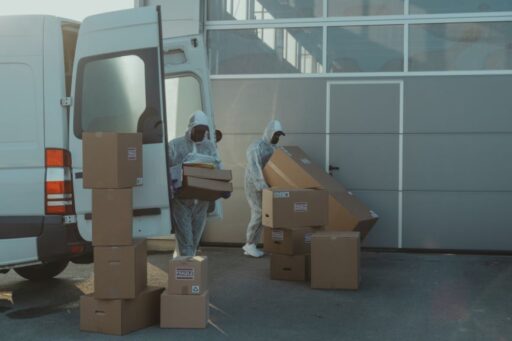
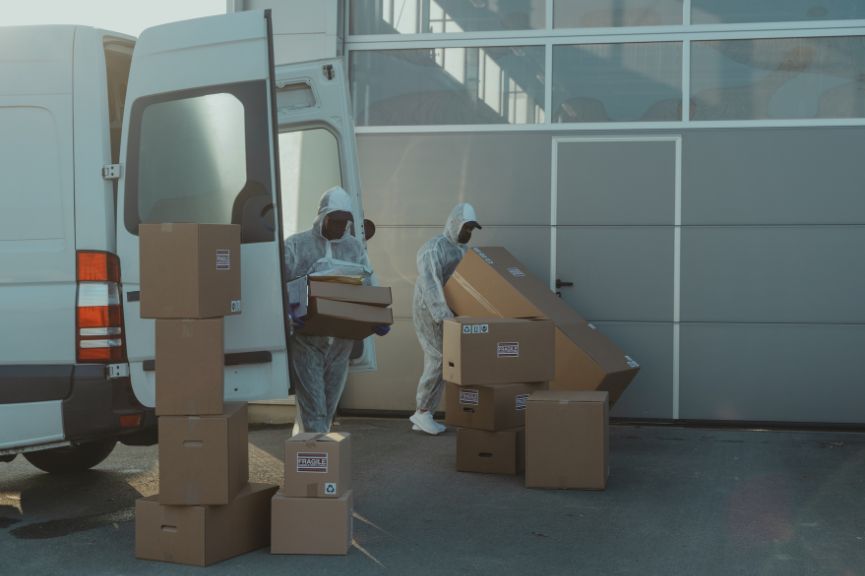
Relocating a home or office in India’s metro cities has never been simple, but in 2026, it has become even more complex. Cities like Delhi, Mumbai, and Bangalore are not just economic hubs; they are also among the most challenging environments for packers and movers. Rapid urbanization, stricter environmental regulations, rising congestion, and infrastructure pressure are reshaping how relocation logistics works on the ground.
For logistics operators, these cities offer massive business opportunities, but they also demand adaptability, planning, and resilience. The question many in the industry are asking today is simple: which of these cities has become the toughest to operate in?
Delhi: Regulations, Pollution Control, and Operational Restrictions
Delhi has steadily become one of the most regulated cities when it comes to logistics. With rising concerns over air pollution, authorities have imposed strict rules on vehicle movement, especially for older diesel vehicles. Entry restrictions, odd-even traffic measures during peak pollution periods, and bans on non-compliant vehicles create constant uncertainty for movers.
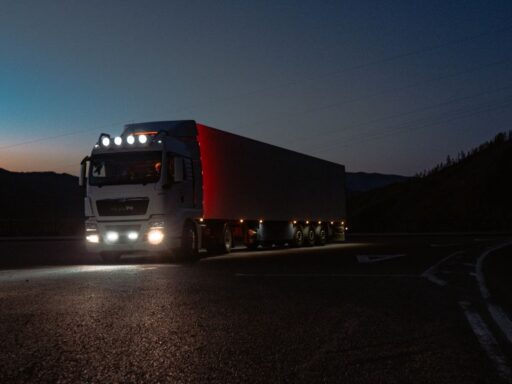
For small and mid-sized operators, these regulations translate into limited flexibility. Trucks often face entry bans during daytime hours, forcing companies to operate at night. While night logistics might seem like a solution, it brings its own challenges, higher labor costs, safety concerns, and limited availability of unloading support in residential areas.
Additionally, Delhi’s expanding NCR region means longer distances and multiple checkpoints, increasing transit time. Even a simple household move within the region can turn into a time-consuming operation due to permits and traffic restrictions.
Mumbai: Space Constraints and High Operational Costs
If Delhi is about regulation, Mumbai is about space, or the lack of it. The city’s dense population and limited land availability make it one of the most difficult places for relocation logistics. Narrow lanes, high-rise buildings, and restricted parking spaces create constant operational hurdles.
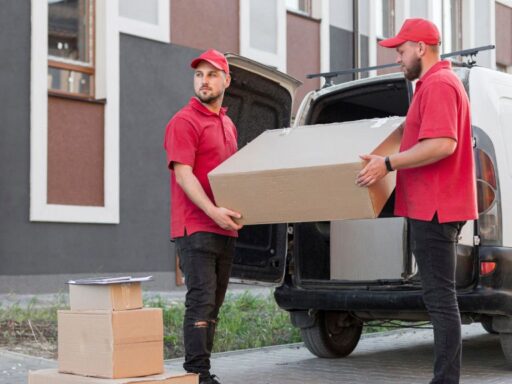
For movers, the biggest challenge is last-mile delivery. Getting a large truck into residential areas is often impossible, requiring smaller vehicles or multiple trips. This not only increases time but also adds to fuel and labor costs. In many cases, manual handling becomes unavoidable, further slowing down the process.
Cost is another major factor. From labor wages to fuel prices and parking fees, everything in Mumbai is expensive. Even warehousing and temporary storage solutions come at a premium, making relocation services costlier for both businesses and customers.
Despite these challenges, Mumbai’s fast-paced lifestyle means customers expect quick and efficient service. Balancing speed with operational limitations is what makes logistics in Mumbai particularly demanding.
Bangalore: Traffic Congestion and Urban Expansion
Bangalore presents a different kind of challenge. Known as India’s tech capital, the city has seen rapid and often unplanned growth. While infrastructure development is ongoing, it hasn’t kept pace with the surge in population and vehicles.
Traffic congestion is the single biggest hurdle here. What should be a short-distance move can take hours due to gridlocked roads. For relocation companies, this unpredictability makes scheduling extremely difficult. Delays not only affect one job but can disrupt the entire day’s operations.
Another issue is the city’s expanding boundaries. Many new residential areas are located on the outskirts, where road conditions and connectivity may not be ideal. Reaching these locations requires careful route planning and often additional travel time.
At the same time, Bangalore has a high volume of relocations due to job mobility in the IT sector. This means consistent demand, but also intense competition, pushing movers to deliver faster and more reliable services despite the constraints.
Comparing the Three Cities: Different Challenges, Same Pressure
While Delhi, Mumbai, and Bangalore each present unique challenges, the common thread is pressure on logistics efficiency. Delhi’s regulatory environment tests compliance and planning. Mumbai’s space constraints push operational limits and increase costs. Bangalore’s traffic and urban sprawl challenge time management and scheduling.
There is no single “winner” when it comes to difficulty. Instead, each city demands a different strategy. A one-size-fits-all approach simply does not work anymore. Movers who succeed are those who understand the local dynamics and adapt their operations accordingly.
Impact on Packers & Movers Businesses
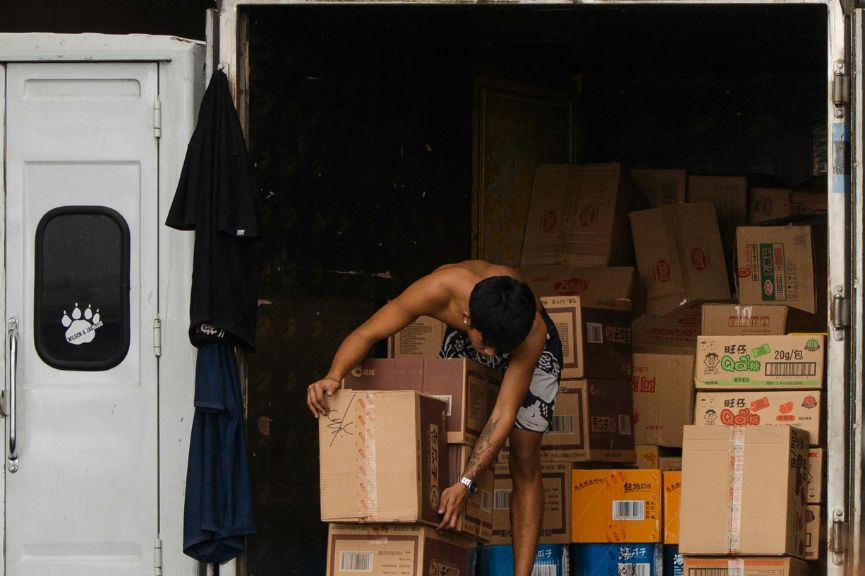
For relocation companies, operating in these cities means higher operational costs and tighter margins. Fuel consumption increases due to traffic, labor costs rise due to extended working hours, and delays can impact customer satisfaction.
At the same time, customer expectations are evolving. People want faster, safer, and more transparent services. They expect real-time updates, accurate timelines, and minimal disruption. Meeting these expectations in such challenging environments requires not just effort, but smarter systems and better planning.
Adapting to the New Reality of Urban Logistics
To survive and grow in these metro cities, movers are increasingly turning to technology and innovation. Route optimization tools, smaller delivery vehicles for last-mile connectivity, and better coordination between teams are becoming essential.
Some companies are also exploring micro-warehousing and decentralized storage to reduce travel distances. Others are focusing on flexible scheduling, including night operations where permitted, to avoid peak traffic hours.
The future of relocation logistics in these cities lies in adaptability. Businesses that invest in smarter operations and understand city-specific challenges will have a clear advantage.
Tough Cities, Bigger Opportunities
Delhi, Mumbai, and Bangalore may be among the toughest cities for relocation logistics, but they are also the most rewarding. The demand is constant, the market is large, and the growth opportunities are significant.
The real challenge is not choosing which city is the toughest, but learning how to operate efficiently in each one. In 2026, success in the relocation industry will depend on how well businesses can navigate regulations, manage costs, and deliver seamless experiences in even the most difficult urban environments.
For movers, these cities are not just challenges; they are proving grounds for the future of logistics in India.